
In the world of agriculture, uncertainties abound. Weather conditions, pest infestations, and market fluctuations can significantly impact crop yields and, consequently, farmers’ incomes. To mitigate these risks, many farmers turn to crop insurance, an essential tool in modern farming. This article will delve into the intricacies of crop insurance, its importance, and how it can safeguard farmers’ livelihoods.
What is Crop Insurance?
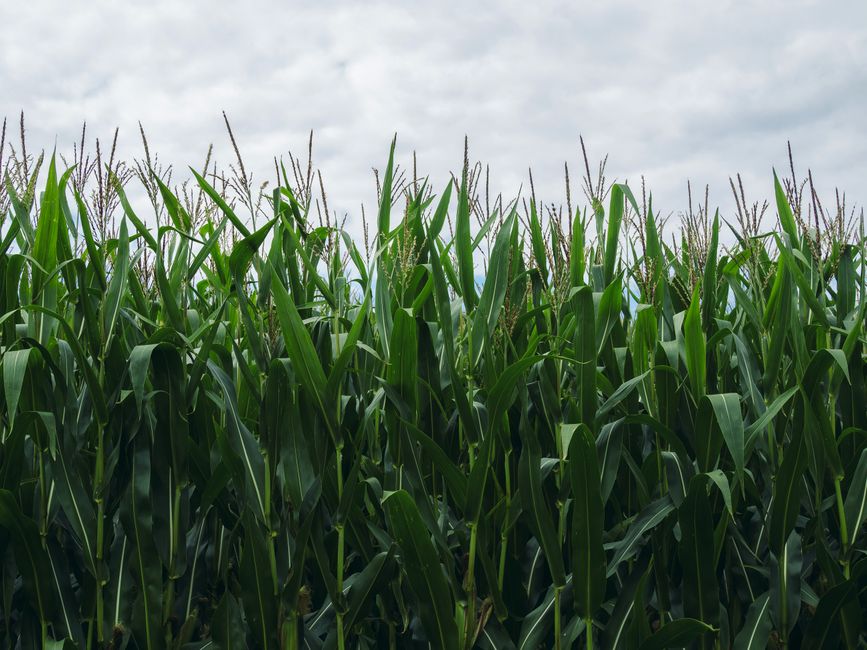
Crop insurance is a risk management tool designed to provide financial protection to farmers against losses due to unforeseen events. These events can range from natural disasters like floods and droughts to disease outbreaks affecting crops. Essentially, crop insurance helps to stabilize farm income and ensure that farmers can continue to operate despite adverse conditions.
There are two primary types of crop insurance: Actual Production History (APH) and Revenue Protection (RP). APH insurance covers losses based on the historical yield of the crop, while RP insurance covers losses based on revenue, which takes into account both yield and price. Understanding the differences between these options is crucial for farmers in selecting the right plan for their needs.
The Importance of Crop Insurance
Crop insurance plays a vital role in the agricultural sector. For starters, it enhances the resilience of farming operations. By providing a safety net, farmers can invest in their crops with greater confidence, knowing that they have a backup plan in place. This, in turn, encourages innovation and adoption of new farming techniques.
Moreover, crop insurance can significantly impact local economies. When farmers are secure in their financial footing, they are more likely to spend on local services and products, stimulating economic growth in their communities. According to the National Crop Insurance Services, for every dollar spent on crop insurance, there is a return of about $2.50 in economic activity.
How to Choose the Right Crop Insurance
Selecting the appropriate crop insurance policy is not a one-size-fits-all approach. Farmers must assess their unique circumstances, including the types of crops they grow, their geographical location, and their financial situation. Consulting with insurance agents who specialize in agricultural policies can provide valuable insights.
Additionally, understanding the terms and coverage limits of various policies is essential. Farmers should analyze the premium costs versus the potential benefits and payouts. It is also advisable to review historical data about crop yields specific to their region to make informed decisions.
Government Programs and Support
In many countries, government programs exist to support crop insurance initiatives. For instance, the U.S. federal crop insurance program subsidizes premiums for farmers, making it more affordable and accessible. These programs not only help individual farmers but also contribute to the stability of the agricultural market.
Farmers should stay informed about available government assistance and any changes in policies that may affect their insurance options. Engaging with local agricultural extension services can be beneficial, as they often provide resources and support for navigating these programs.
Conclusion
Crop insurance is more than just a policy; it is a critical component of sustainable farming. By understanding its benefits and intricacies, farmers can better protect their investments and ensure their livelihoods are secure against the unpredictable nature of agriculture. As the climate continues to change and market dynamics evolve, the role of crop insurance will undoubtedly become even more significant in supporting farmers and promoting agricultural resilience.