
In the world of agriculture, uncertainty is a constant companion. Farmers face various challenges, from unpredictable weather patterns to market fluctuations, which can significantly impact their livelihoods. One critical tool that helps mitigate these risks is crop insurance. This article delves into the significance of crop insurance, how it works, and its benefits for farmers.
What is Crop Insurance?
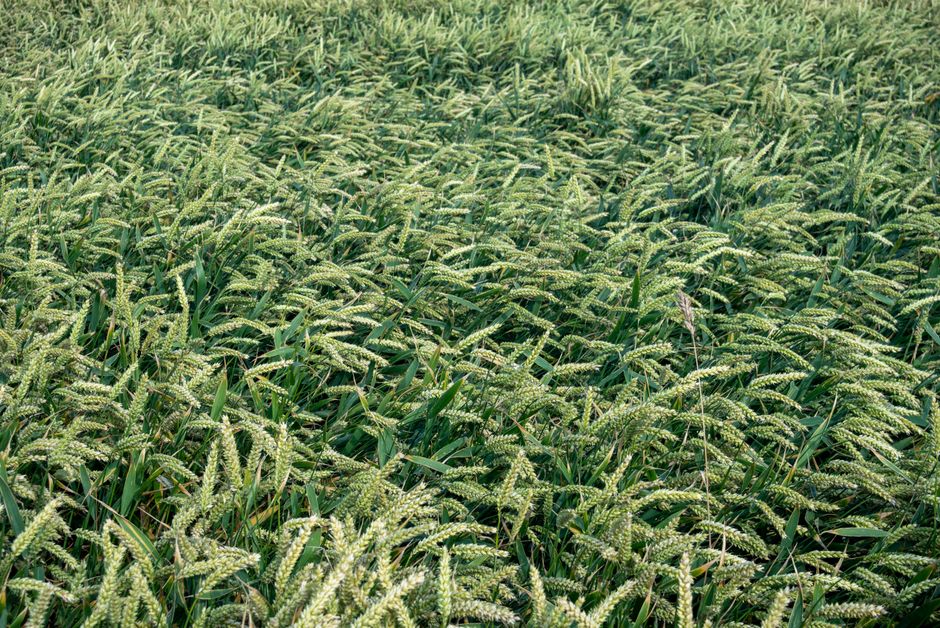
Crop insurance is a risk management tool designed to protect farmers against the loss of their crops due to various factors. It provides financial support when adverse events such as droughts, floods, pests, or diseases occur. Typically, crop insurance policies are purchased by farmers before the planting season, and they cover a range of crops, including grains, fruits, and vegetables.
There are two primary types of crop insurance: Actual Production History (APH) insurance and Revenue Protection (RP) insurance. APH insurance compensates farmers based on their historical yield data, while RP insurance covers both yield loss and price fluctuations. This flexibility allows farmers to choose the best option that suits their specific needs.
The Importance of Crop Insurance
Crop insurance plays a vital role in the agricultural sector. Firstly, it provides financial stability to farmers by ensuring they have a safety net in case of unexpected losses. According to the National Agricultural Statistics Service, crop insurance helped farmers recover over $5 billion in losses in the last decade alone. This financial support is crucial for farmers to maintain their operations and invest in future crops.
Moreover, crop insurance encourages farmers to adopt innovative farming practices. Knowing they have a safety net allows them to experiment with new crops or technologies that may yield better results. For instance, a farmer may decide to plant a new variety of corn that is more resilient to drought, thus potentially increasing their profitability.
How Crop Insurance Works
The process of obtaining crop insurance involves several steps. Farmers begin by assessing their crop production history and determining the level of coverage needed. They then consult with insurance agents to choose a policy that fits their unique circumstances. Once a policy is in place, farmers pay a premium based on the coverage level and the type of crop insured.
In the event of a loss, farmers must file a claim with their insurance provider. This claim typically requires documentation, such as production records and loss assessments. The insurance company then evaluates the claim and issues compensation based on the policy terms.
Challenges and Considerations
While crop insurance offers numerous benefits, it is not without its challenges. One significant concern is the cost of premiums, which can be high for some farmers, particularly those with limited resources. Additionally, understanding the complex terms and conditions of insurance policies can be daunting.
Farmers must also consider the timing of their insurance purchases. Policies must be secured before planting, which requires careful planning and financial forecasting. This necessity can create pressure, especially for new or small-scale farmers who may lack experience in navigating the insurance landscape.
Conclusion
In conclusion, crop insurance stands as a crucial element in the resilience of the agricultural community. It not only provides financial protection against unforeseen events but also fosters innovation and sustainability in farming practices. As the agricultural climate continues to change, understanding and utilizing crop insurance will become increasingly essential for farmers aiming to secure their livelihoods and contribute to food security.
For more detailed information, farmers can explore resources on crop insurance that outline policies available in their regions and best practices for effective coverage.