The toy industry has long been a vibrant sector, providing joy and entertainment to children across the globe. As parents, caregivers, and educators increasingly acknowledge the importance of play in childhood development, the demand for innovative and safe toys continues to rise. This article takes a deep dive into the world of children toy manufacturers, examining their impact on the market, trends, and the challenges they face in modern times.
The Evolution of the Toy Industry
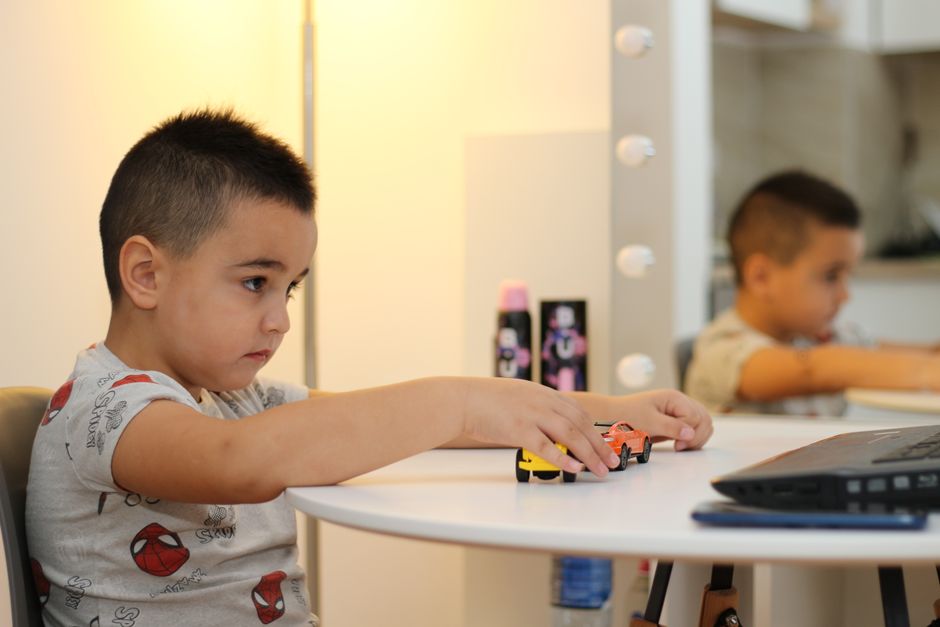
The history of toys dates back thousands of years, evolving from simple handmade objects to complex electronic devices. In the early 20th century, mass production revolutionized the industry, allowing manufacturers to create toys that were not only affordable but also widely accessible. Today, companies like children toy manufacturer have embraced technology, leading to the creation of interactive and educational toys that promote learning and development.
In recent years, there has been a noticeable shift towards sustainable and eco-friendly materials in toy manufacturing. Consumers are becoming increasingly aware of the environmental impact of their purchases, leading manufacturers to innovate and find greener alternatives to traditional plastic toys.
The Role of Safety Standards
Safety is paramount in the toy industry, as toys are designed for children, who are often unaware of potential hazards. Regulatory bodies around the world have established strict safety standards to ensure that toys are safe for use. In the United States, the Consumer Product Safety Commission (CPSC) sets guidelines that toy manufacturers must adhere to, covering everything from choking hazards to toxic materials.
Manufacturers often conduct extensive testing to comply with these regulations, which can be both time-consuming and costly. However, these measures are essential for building consumer trust and ensuring that children can play safely.
Market Trends and Innovations
The children’s toy market is continuously evolving, with new trends emerging regularly. In recent years, the rise of STEM (Science, Technology, Engineering, and Mathematics) toys has become a significant trend, aimed at encouraging children to develop skills in these critical areas. Many toy manufacturers are now designing products that not only entertain but also educate, bridging the gap between play and learning.
Moreover, the incorporation of technology into toys has transformed how children play. Smart toys that connect to apps or the internet are gaining popularity, offering interactive experiences that engage children in new and exciting ways. This trend is likely to continue as technology advances and becomes more integrated into everyday life.
The Challenges Facing Toy Manufacturers
Despite the growth and innovation within the industry, toy manufacturers face several challenges. One of the most pressing issues is the need to balance profitability with ethical practices. As competition increases, companies must find ways to reduce costs while maintaining quality and safety standards.
Additionally, supply chain disruptions, particularly in the wake of the COVID-19 pandemic, have posed significant challenges for manufacturers. Many companies experienced delays and increased costs, forcing them to rethink their supply chain strategies and consider local production options.
Looking Ahead: The Future of Toy Manufacturing
The future of children toy manufacturers is likely to be shaped by ongoing trends in sustainability, technology, and consumer preferences. As more parents prioritize educational and eco-friendly toys, manufacturers will need to adapt their product lines accordingly.
Innovation will play a crucial role in staying competitive. Companies that invest in research and development to explore new materials, designs, and technologies will be better positioned to meet the demands of the market. Furthermore, collaboration with educators and psychologists can help manufacturers create toys that genuinely support children’s development.
Conclusion
The world of children toy manufacturers is dynamic and ever-changing, reflecting broader societal trends and values. As the industry evolves, manufacturers must navigate challenges while embracing innovation and sustainability. By prioritizing safety, quality, and education, they can continue to create products that not only entertain but also enrich the lives of children worldwide.