
In the realm of agriculture, unpredictability is a constant companion. Farmers face a myriad of challenges, from unpredictable weather patterns to fluctuating market prices. To mitigate these risks, crop insurance has emerged as a crucial tool for safeguarding agricultural investments. This article delves into the intricacies of crop insurance, exploring its types, benefits, and significance in modern farming.
What is Crop Insurance?
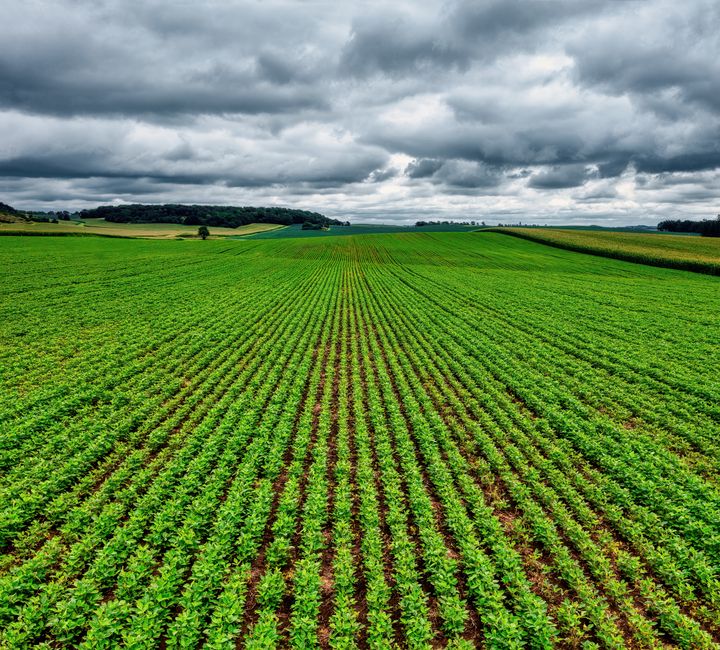
Crop insurance is a risk management tool designed to protect farmers from the financial losses that can arise due to natural disasters or declines in market prices. Typically offered by government programs or private insurance companies, it provides coverage for a wide range of risks, including droughts, floods, pests, and disease outbreaks. The primary objective is to ensure that farmers can recover a portion of their investment when adverse conditions occur.
There are two main types of crop insurance: Actual Production History (APH) and Revenue Protection (RP). APH insurance covers losses based on the farmer’s historical yields, while RP insurance considers both yield and price fluctuations, providing a more comprehensive safety net.
The Importance of Crop Insurance
In the face of climate change and increasing volatility in agricultural markets, the importance of crop insurance has never been more pronounced. According to the U.S. Department of Agriculture (USDA), more than 90% of insurable acres in the United States are covered by some form of crop insurance. This statistic highlights the reliance of farmers on insurance as a financial safeguard.
Crop insurance not only protects individual farmers but also contributes to the stability of the agricultural economy as a whole. By providing a safety net, it encourages farmers to invest in their operations, adopt new technologies, and engage in sustainable practices without the fear of total financial ruin.
How to Choose the Right Crop Insurance
Choosing the right crop insurance policy is crucial for maximizing protection. Farmers should assess their specific needs, taking into account factors such as crop type, geographical location, and risk exposure. Consulting with an insurance agent who specializes in agricultural policies can provide valuable insights and help in selecting the most appropriate coverage.
Additionally, farmers should stay informed about the various federal and state programs available to them, as these can significantly reduce insurance costs and provide supplemental coverage. For instance, programs like the Federal Crop Insurance program offer subsidized premiums to eligible farmers, making insurance more accessible.
Case Studies: Success Stories of Crop Insurance
Numerous case studies demonstrate the effectiveness of crop insurance in safeguarding farmers’ livelihoods. One notable example is a corn farmer in Iowa who experienced a severe drought during the growing season. Thanks to his crop insurance policy, he was able to recover a significant portion of his losses, allowing him to sustain his operation and plan for the next planting season.
Another case involves a soybean farmer in Texas who faced a sudden market downturn. His revenue protection insurance provided financial relief, enabling him to maintain his farm’s operations without incurring crippling debt. These success stories illustrate how crop insurance can serve as a lifeline for farmers facing unforeseen challenges.
The Future of Crop Insurance
As climate change continues to impact agriculture, the future of crop insurance will likely evolve to address emerging risks. Innovations in technology, such as satellite imagery and data analytics, are paving the way for more precise risk assessment and tailored insurance products. Furthermore, enhanced collaboration between government agencies and private insurers will be essential for developing policies that meet the changing needs of farmers.
In conclusion, crop insurance is a vital component of modern agriculture, providing a safety net for farmers against unpredictable risks. By understanding its types, benefits, and the importance of tailored coverage, farmers can better navigate the complexities of their industry. As we look toward the future, ongoing advancements in the sector will be crucial in ensuring that crop insurance remains an effective tool for sustainable agricultural practices.
For more information on specific policies and programs available, farmers can explore resources like crop insurance options that cater to their unique needs.