
In the competitive world of dining, the aesthetic and functional aspects of restaurant interior design play a crucial role in attracting customers and creating memorable experiences. A well-designed space not only enhances the ambiance but also influences customer behavior and satisfaction. This article delves into the essential elements of effective restaurant interior design, exploring trends, practical tips, and case studies to inspire restaurateurs and designers alike.
The Importance of Ambiance in Dining
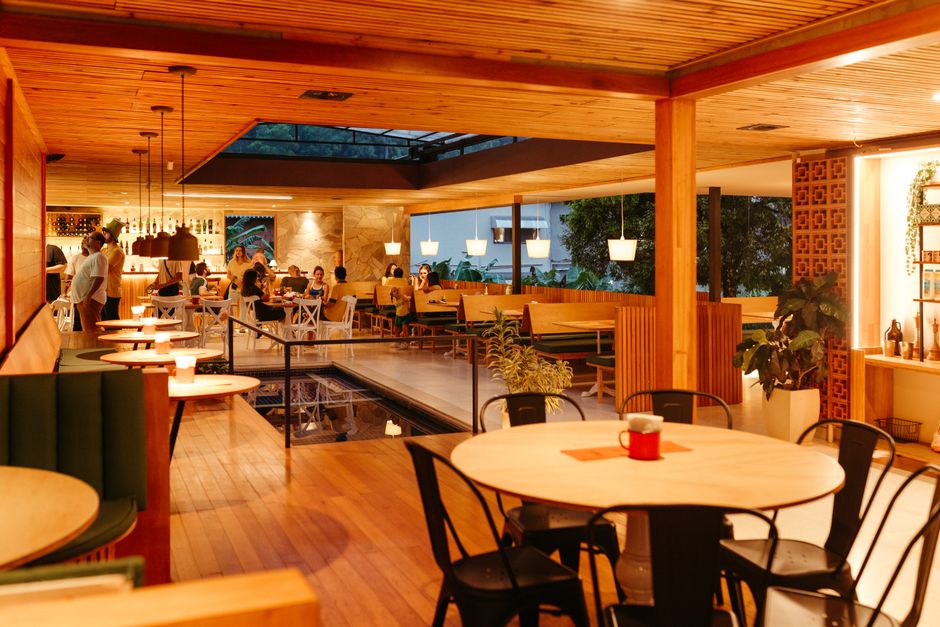
Ambiance sets the tone for the dining experience. Research shows that the atmosphere of a restaurant can significantly affect patrons’ perceptions of food quality and service. Factors such as lighting, color schemes, and furniture arrangement contribute to the overall vibe. For instance, warm lighting can create a cozy and inviting atmosphere, while bright colors can energize the space. Understanding the psychological effects of these elements can help create an environment that resonates with the target audience.
Moreover, the layout of the restaurant is critical in shaping the customer experience. Open-plan dining areas might encourage social interactions, while intimate booths can promote privacy. Thoughtful design can guide customers through the space, enhancing their journey from entry to exit.
Trends in Restaurant Interior Design
Restaurant interior design is continuously evolving, reflecting broader cultural and aesthetic trends. One notable trend is the incorporation of sustainability into design choices. Many eateries are opting for eco-friendly materials and designs that minimize environmental impact. For example, reclaimed wood, recycled glass, and energy-efficient lighting are becoming popular choices.
Another trend is the use of technology in design. Smart technology, such as app-controlled lighting and sound systems, allows restaurant owners to adjust the ambiance based on the time of day or customer preferences. This flexibility can enhance the dining experience and create a more personalized atmosphere.
Incorporating Your Brand Identity
A restaurant’s interior should reflect its brand identity. This means that every design choice, from the color palette to the choice of furniture, should align with the restaurant’s theme and concept. For instance, a rustic Italian restaurant might feature warm, earthy tones and wooden furniture, whereas a modern sushi bar could embrace sleek lines and minimalist decor.
Additionally, incorporating local culture and art into the design can foster a sense of community and belonging. Showcasing local artists or using local materials can create a unique identity that resonates with customers, making them feel more connected to the space.
Case Studies: Successful Restaurant Designs
Many successful restaurants have harnessed the power of effective interior design to attract and retain customers. For example, the renowned Noma in Copenhagen is famous not only for its innovative cuisine but also for its carefully curated interior. The restaurant features natural materials and a design that reflects its commitment to sustainability, creating a harmonious dining experience.
Another notable example is the trendy Monkey King in London, which combines vibrant colors and eclectic decor to create a lively atmosphere. This design choice aligns perfectly with its dynamic menu and youthful target audience, proving that a well-executed interior can significantly enhance a restaurant’s appeal.
Practical Tips for Effective Restaurant Interior Design
1. **Understand Your Audience**: Before diving into design, it’s essential to have a clear understanding of your target demographic. What kind of atmosphere do they prefer? What design elements resonate with them?
2. **Plan the Layout**: Consider the flow of the space. Ensure that the layout allows for easy movement and adheres to health and safety regulations. The arrangement of tables, chairs, and service areas should provide a comfortable experience for both customers and staff.
3. **Invest in Quality Materials**: While budget is always a consideration, investing in quality materials can enhance durability and aesthetic appeal. An inviting atmosphere is often created through the use of rich textures and high-quality finishes.
4. **Stay Flexible**: Trends change, and so do customer preferences. Design spaces that can adapt to changing needs without requiring complete overhauls.
5. **Seek Professional Help**: When in doubt, consult with a professional interior designer who specializes in restaurant spaces. Their expertise can save time and resources while ensuring a cohesive and functional design.
For those looking to dive deeper into the world of restaurant interior design, understanding these principles can be invaluable in creating a space that not only attracts customers but also fosters loyalty and enhances the overall dining experience.
Conclusion
In conclusion, restaurant interior design is a multifaceted discipline that plays a vital role in the success of any dining establishment. By focusing on ambiance, embracing current trends, reflecting brand identity, and learning from successful case studies, restaurateurs can create spaces that not only delight customers but also drive profitability. With thoughtful planning and execution, the right design can transform a simple dining experience into something truly extraordinary.