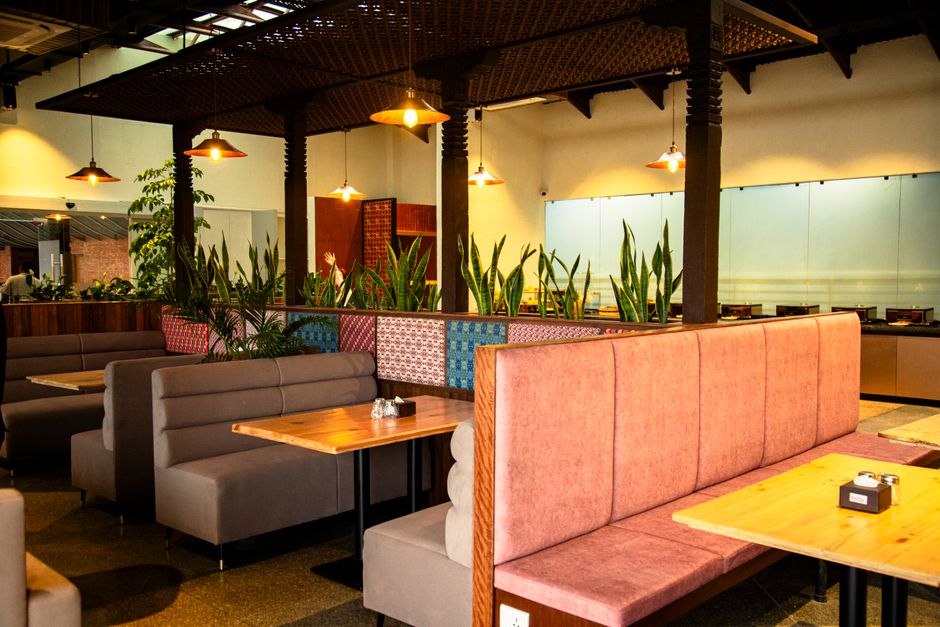
In the competitive world of dining, the ambiance of a restaurant is as crucial as its menu. Restaurant interior design plays a pivotal role in creating a memorable experience for customers. From the color palette to the layout, every element contributes to the overall vibe. In this article, we will explore the key aspects of restaurant interior design, how it affects customer behavior, and best practices to create an inviting space.
Understanding the Importance of Interior Design
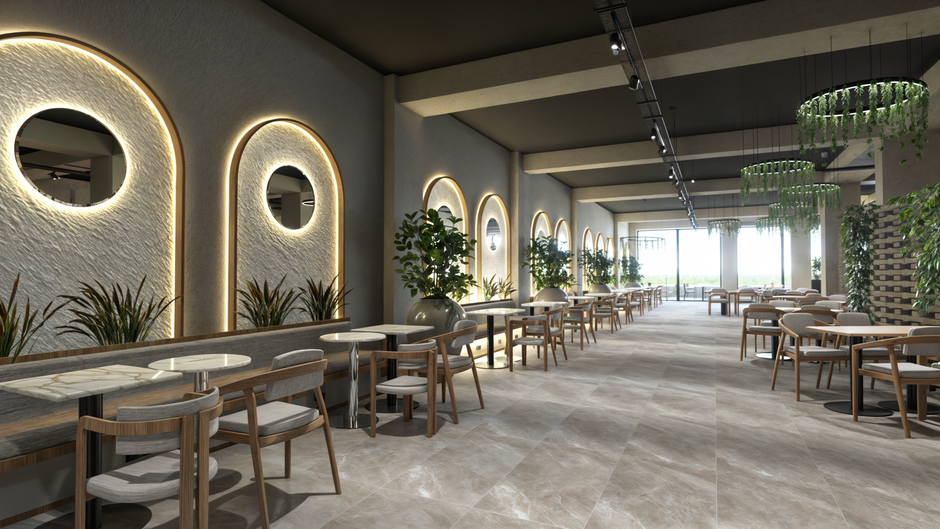
The first impression is often the last, especially in the restaurant industry. Interior design significantly influences a customer’s perception and can directly impact their decision to return. According to a study by the Restaurant Research Institute, 70% of diners believe that a restaurant’s ambiance is a key factor in their enjoyment of the meal. This emphasizes the importance of investing in quality interior design.
Interior design encompasses various elements, including lighting, color, furniture, and layout. Each component works together to create an inviting atmosphere. For instance, warm colors can evoke a sense of comfort, while bright colors might energize the space. Lighting, on the other hand, can set the mood for a romantic dinner or a lively gathering, making it essential to choose wisely.
Key Elements of Restaurant Interior Design
When embarking on a restaurant interior design project, several key elements must be considered. The layout is one of the most critical aspects. An efficient layout not only enhances the flow of service but also improves the overall dining experience. Open layouts can create a lively atmosphere, while intimate seating arrangements may cater to couples looking for privacy.
Furniture selection is equally important. Choosing the right tables and chairs can enhance comfort and functionality. For instance, sturdy tables might be preferred in family-style restaurants, while elegant seating may be more suitable for fine dining establishments. Ergonomics should also be a consideration, ensuring that customers feel comfortable during their meal.
Furthermore, incorporating unique design elements can set a restaurant apart from its competitors. Custom artwork, themed decor, or even unique architectural features can create a memorable experience that diners will talk about long after their visit.
Incorporating Branding into Design
Restaurant interior design should not only focus on aesthetics but also reflect the brand’s identity. A well-designed space communicates the restaurant’s concept and values to customers. For example, a farm-to-table restaurant may incorporate natural materials and earthy tones, while a modern eatery may opt for sleek lines and minimalist decor.
Branding can also be integrated through color schemes and logo placement. Consistency in branding across all elements of the restaurant, including menus, staff uniforms, and signage, reinforces the restaurant’s identity. This cohesive approach helps in building brand recognition and loyalty among customers.
Trends in Restaurant Interior Design
As with any design field, restaurant interior design is subject to trends that evolve over time. Currently, sustainable design practices are gaining traction. Many restaurants are opting for eco-friendly materials and energy-efficient lighting to reduce their environmental impact. This not only appeals to environmentally conscious diners but also enhances the restaurant’s image.
Another trend is the incorporation of technology in design. Many establishments are using digital menus and interactive displays, allowing for a modern dining experience. These technological advancements can streamline service and enhance customer engagement.
Creating a Memorable Customer Experience
Ultimately, the goal of restaurant interior design is to create a memorable experience for customers. This involves considering all aspects of the dining experience, from the moment a guest walks in until they leave. Attention to detail is crucial; even the smallest elements, such as scent and music, can significantly affect a customer’s perception.
Moreover, staff training is essential to ensure that the interior design complements the service provided. Well-trained staff who understand the restaurant’s concept can enhance the overall experience, making diners feel valued and appreciated.
In conclusion, the art of restaurant interior design is a multifaceted discipline that extends beyond mere aesthetics. It encompasses various elements that work together to create a unique dining experience. By carefully considering layout, branding, and current trends, restaurant owners can design spaces that not only attract customers but also encourage them to return. For more inspiration and expert advice on restaurant interior design, exploring design studios and consulting professionals can provide valuable insights into creating the perfect dining environment.