
In today’s competitive dining landscape, the ambiance of a restaurant plays a crucial role in attracting and retaining customers. Restaurant interior design goes beyond mere aesthetics; it encompasses a blend of functionality, comfort, and style that defines the dining experience. This article delves into the essential elements of restaurant interior design, exploring how thoughtful design choices can enhance customer satisfaction and drive business success.
Understanding the Importance of Interior Design
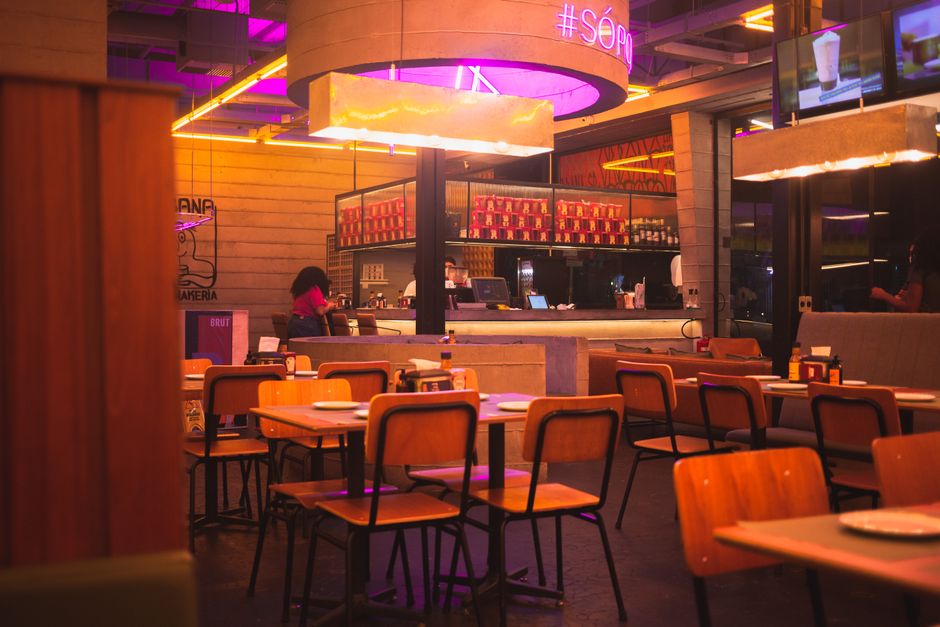
Interior design serves as the backbone of a restaurant’s identity. It is the first impression that diners receive and can significantly influence their perception of the brand. According to a study by the National Restaurant Association, 60% of diners will choose a restaurant based on its interior design. This statistic underscores the importance of creating an inviting and memorable atmosphere.
Effective restaurant interior design also contributes to the operational efficiency of the space. A well-designed layout allows for smooth movement for both staff and customers, reducing wait times and enhancing service delivery. Moreover, the right design can optimize the use of space, ensuring that every square foot contributes to the overall dining experience.
Key Elements of Restaurant Interior Design
When embarking on a restaurant interior design project, several key elements should be considered. First and foremost is the theme and concept of the restaurant. Whether it’s a cozy bistro, a modern fusion restaurant, or a high-end dining establishment, the design should reflect the restaurant’s unique identity. This is where restaurant interior design can play a pivotal role in establishing a cohesive brand image.
Next, color schemes and lighting are crucial in setting the mood. Warm colors can create a welcoming environment, while cooler tones may evoke a sense of sophistication. Lighting, on the other hand, can dramatically alter the atmosphere; dim lights may enhance intimacy, whereas bright lights can promote a lively, energetic vibe.
Furniture and Layout Considerations
The selection of furniture is another critical aspect of restaurant interior design. The style, comfort, and arrangement of furniture can significantly affect customer satisfaction. For instance, comfortable seating can encourage diners to linger and enjoy their meals, potentially increasing sales. Additionally, the layout should facilitate easy navigation for customers and staff alike, ensuring a seamless dining experience.
Moreover, incorporating flexible seating arrangements can cater to various group sizes, enhancing the restaurant’s versatility. For example, a mix of tables for two, communal seating, and larger booths can accommodate everything from intimate dinners to large gatherings.
Incorporating Technology into Design
As technology continues to evolve, integrating it into restaurant interior design has become increasingly important. Many modern diners expect tech-friendly environments, such as free Wi-Fi, charging stations, and even digital menus. These elements not only enhance the dining experience but can also streamline operations.
Furthermore, implementing technology like automated ordering systems or contactless payment options can improve efficiency and reduce wait times, ultimately leading to higher customer satisfaction.
Sustainability in Restaurant Design
In recent years, sustainability has emerged as a significant trend in restaurant interior design. Many consumers are becoming more environmentally conscious, and restaurants that prioritize sustainable practices can attract this demographic. This includes using eco-friendly materials, reducing waste, and incorporating energy-efficient lighting and appliances.
Additionally, biophilic design—incorporating natural elements into the interior—can enhance the ambiance and create a calming environment for diners. This trend not only appeals to aesthetics but also promotes a sense of well-being.
Conclusion: The Future of Restaurant Interior Design
In conclusion, restaurant interior design is a multifaceted discipline that significantly impacts a restaurant’s success. By understanding the importance of creating inviting spaces and considering key elements such as layout, furniture, technology, and sustainability, restaurateurs can elevate the dining experience for their customers. As the industry continues to evolve, staying ahead of design trends will be essential in attracting and retaining a loyal customer base.