In the highly competitive restaurant industry, the ambiance and interior design of a dining establishment play a crucial role in attracting and retaining customers. A well-thought-out restaurant interior design not only enhances the dining experience but also reflects the brand’s identity and values. This article delves into the essential elements of restaurant interior design, exploring trends, practical tips, and the impact of design on customer behavior.
The Importance of Restaurant Interior Design
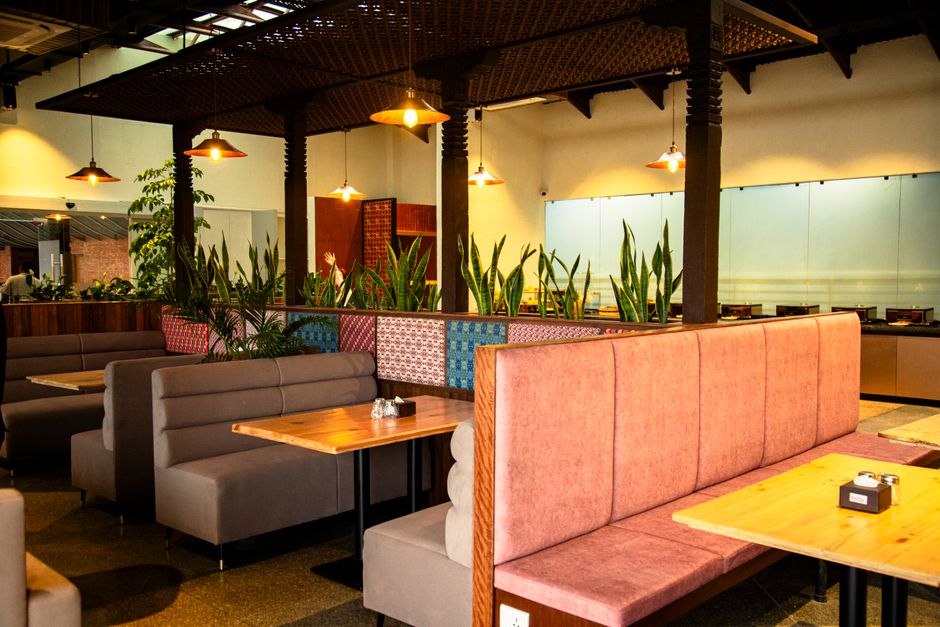
Interior design is more than just aesthetics; it shapes the dining experience. According to a study by the Cornell University School of Hotel Administration, restaurant ambiance significantly affects customer satisfaction and can influence their dining duration and spending. Customers often associate the quality of food with the restaurant’s interior, making it essential for restaurant owners to invest in thoughtful design.
The layout, color scheme, furniture, and lighting all contribute to creating an inviting atmosphere. A well-designed space can evoke emotions, encourage social interaction, and even stimulate appetite. For instance, warm colors like red and orange are known to increase energy levels and encourage diners to eat more quickly, while cooler tones may promote relaxation.
Key Elements of Restaurant Interior Design
When considering restaurant interior design, several key elements should be prioritized to create a cohesive and appealing environment. These include:
- Layout: The floor plan of a restaurant should facilitate smooth movement for both staff and customers. Open layouts can create a sense of community, while partitioned spaces may offer more privacy.
- Furniture: The choice of furniture should reflect the restaurant’s theme and target market. Comfortable seating encourages longer visits, while the arrangement can influence traffic flow.
- Lighting: Effective lighting sets the mood and enhances the overall aesthetic. Different areas may require varying levels of brightness; for example, dim lighting in intimate dining areas versus brighter lights in family-friendly spaces.
Incorporating these elements thoughtfully can lead to a memorable dining experience that keeps customers coming back.
Current Trends in Restaurant Interior Design
The world of restaurant interior design is continuously evolving, influenced by changing consumer preferences and technological advancements. Some current trends include:
- Sustainable Design: With an increasing emphasis on sustainability, many restaurants are opting for eco-friendly materials and practices. This includes everything from reclaimed wood furniture to energy-efficient lighting solutions.
- Biophilic Design: Integrating natural elements such as plants, water features, and natural light can enhance the dining experience. Studies have shown that biophilic design can reduce stress and improve overall well-being.
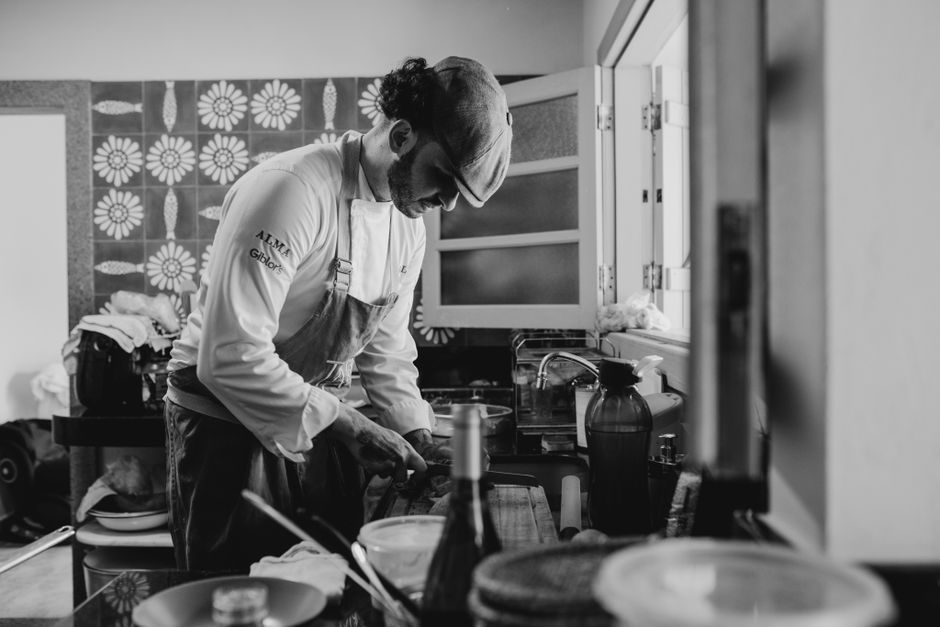
- Open Kitchens: Many modern restaurants are adopting open kitchen concepts, allowing customers to see their food being prepared. This transparency can build trust and create a more engaging dining experience.
These trends not only make restaurants visually appealing but also resonate with consumers who value authenticity and sustainability.
Practical Tips for Restaurant Owners
For restaurant owners looking to revamp their space or design a new establishment, here are some practical tips to consider:
- Define Your Brand: The interior should reflect your restaurant’s brand identity. Consider your target audience and how your design choices will resonate with them.
- Plan for Flexibility: As trends change, having a flexible design can help you adapt without undergoing a complete renovation. Modular furniture and adjustable lighting can facilitate this.
- Consult Professionals: Hiring experienced interior designers can be invaluable. They can provide insights into the latest trends and help you avoid common pitfalls.
By following these tips, restaurant owners can create a space that is not only functional but also appealing to their customers.
Conclusion
In conclusion, restaurant interior design is a vital component of a successful dining establishment. It influences customer perceptions, enhances the overall experience, and reflects the restaurant’s brand identity. By understanding the key elements of design, staying updated on current trends, and implementing practical strategies, restaurant owners can create spaces that attract and retain diners. For those seeking inspiration or professional help, exploring resources on restaurant interior design can provide valuable insights into creating a captivating dining environment.