
The ambiance of a restaurant plays a crucial role in shaping the dining experience. From the color palette to the furniture arrangement, every element of restaurant interior design influences how guests perceive the space. As the restaurant industry continues to evolve, understanding the nuances of interior design has never been more important for business owners looking to attract and retain customers.
Understanding the Importance of Interior Design
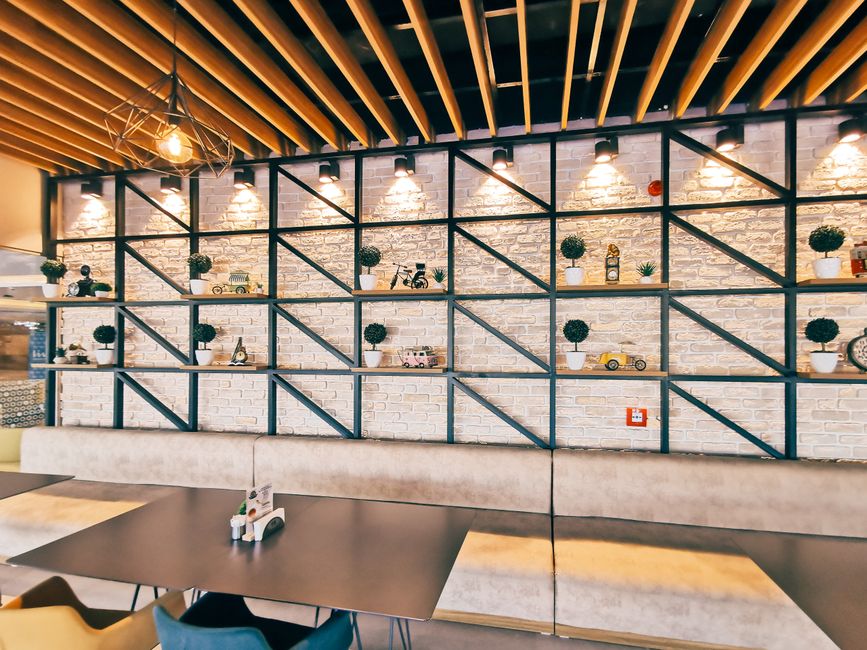
Interior design is not merely about aesthetics; it is a vital component of a restaurant’s branding and customer experience. Studies have shown that consumers are likely to spend more time—and money—in environments that they find appealing and comfortable. According to a survey conducted by the Restaurant Association, 80% of diners stated that they are influenced by the restaurant’s atmosphere when making dining choices. This statistic underscores the significance of thoughtful design in the competitive food and beverage market.
Moreover, a well-designed restaurant can enhance operational efficiency. For example, strategically placing the kitchen in proximity to the dining area can streamline service, while an open layout can create a more inviting atmosphere for patrons. Understanding how to blend functionality with aesthetics is a key challenge for many restaurant owners.
Key Elements of Restaurant Interior Design
Several core aspects contribute to effective restaurant interior design. First and foremost is the layout. The floor plan should facilitate movement for both staff and guests, ensuring that service is seamless. A well-planned layout can significantly reduce wait times and improve overall customer satisfaction.
Another crucial element is lighting. The right lighting can dramatically alter the mood of a space. For instance, warm, dimmed lights may create an intimate dining experience, while bright lights can energize a casual eatery. Incorporating natural light through windows or skylights can also enhance the overall ambiance and make the space feel more open.
Color schemes play an equally important role. Colors can evoke emotions and influence behavior. For example, red and orange hues are known to stimulate appetite, making them popular choices for many restaurants. Conversely, blues and greens tend to create a calming atmosphere, which can be beneficial for establishments looking to promote relaxation.
Trends in Restaurant Interior Design
As we move further into the 21st century, restaurant interior design trends are shifting towards sustainability and minimalism. Eco-friendly materials, such as reclaimed wood and recycled metals, are becoming increasingly popular. Not only do they reduce environmental impact, but they also add a unique character to the space.
Additionally, many restaurants are embracing the concept of biophilic design, which integrates natural elements into the built environment. This can include the use of plants, natural light, and organic materials. Studies have shown that incorporating nature into interior spaces can reduce stress and improve overall well-being, making it a beneficial trend for restaurants aiming to enhance customer experience.
Technology is also shaping the future of restaurant design. From digital menus displayed on tablets to interactive kitchen displays, the integration of technology can improve efficiency and enhance the dining experience. For instance, some establishments are using augmented reality to create immersive dining experiences that captivate guests.
Case Studies: Successful Restaurant Designs
To illustrate the impact of effective restaurant interior design, let’s examine a few successful case studies. One notable example is the Michelin-starred restaurant Noma in Copenhagen, known for its innovative use of local ingredients. The minimalistic design, featuring natural materials and an open kitchen, complements the restaurant’s ethos and enhances the overall dining experience.
Another inspiring case is the fast-casual chain Sweetgreen, which emphasizes sustainability in both its menu and interior design. The use of reclaimed wood, greenery, and natural light creates a welcoming atmosphere that resonates with its health-conscious clientele. This cohesive approach to design and branding has played a significant role in their growth and popularity.
These examples highlight how thoughtful interior design can align with a restaurant’s brand identity and contribute to its success. By focusing on the customer experience and operational efficiency, restaurant owners can create spaces that not only attract but also retain patrons.
Conclusion: The Future of Restaurant Interior Design
As the restaurant industry continues to evolve, the importance of interior design cannot be overstated. A well-executed design can significantly impact customer satisfaction and operational success. With trends leaning towards sustainability, technology integration, and biophilic design, restaurant owners have the opportunity to create unique and inviting spaces that resonate with modern diners.
For those looking to elevate their restaurant’s aesthetic and functionality, investing in expert knowledge and resources in restaurant interior design is essential. By embracing innovative design principles, restaurants can ensure they remain competitive in a dynamic market while providing unforgettable dining experiences for their guests.