
Aerial drone photography has revolutionized the way we capture images from above, offering breathtaking perspectives that were once only achievable through helicopters or planes. With the rapid advancements in drone technology, photographers and videographers now have the tools to create stunning visual narratives that showcase the beauty of landscapes, architecture, and events from unique angles. This article delves into the essentials of aerial drone photography, discussing its benefits, techniques, and real-world applications.
The Rise of Aerial Drone Photography
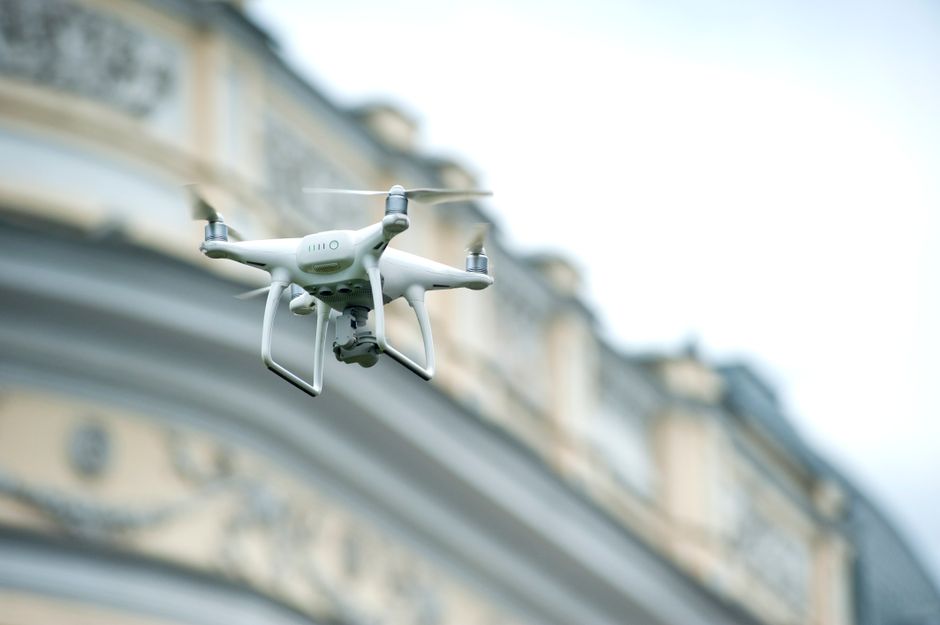
The advent of consumer drones has democratized aerial photography. Once reserved for professional photographers, aerial shots are now accessible to hobbyists and enthusiasts. According to a report by the Federal Aviation Administration (FAA), the number of registered drones in the United States surpassed 1.7 million in 2020, highlighting the growing popularity of this technology.
One of the primary reasons for this surge is the affordability of drones. Drones equipped with high-resolution cameras, such as the DJI Mavic series, can be purchased for a fraction of the cost of hiring a helicopter for aerial shoots. This has opened up new avenues for creative expression, allowing more individuals to explore the art of aerial photography.
Key Techniques for Stunning Aerial Photography
To achieve remarkable aerial shots, photographers must master specific techniques. Understanding the principles of composition, lighting, and camera settings is crucial. For instance, utilizing the golden hour—shortly after sunrise or before sunset—can enhance the natural colors of a landscape.
Moreover, incorporating leading lines and framing can create depth in images. Aerial photographers should also experiment with different altitudes and angles to find the most captivating perspectives. For example, flying at a lower altitude can reveal intricate details of a landscape, while higher elevations can showcase expansive vistas.
Applications of Aerial Drone Photography
Aerial drone photography is not limited to artistic endeavors; it has practical applications across various industries. In real estate, high-quality aerial images can significantly enhance property listings, attracting potential buyers by showcasing a property’s location and surroundings.
Similarly, in the construction industry, drones provide invaluable insights by documenting project progress and surveying sites from above. This offers stakeholders a comprehensive view of developments, enabling better decision-making. Additionally, industries such as agriculture utilize aerial photography to monitor crop health, assess land use, and optimize yields.
For those looking to explore this innovative field, aerial drone photography offers a wealth of opportunities. Whether capturing stunning landscapes or documenting critical infrastructure, the potential applications are virtually limitless.
Legal Considerations and Safety Measures
As the popularity of aerial drone photography grows, so does the need for adherence to legal regulations. In many countries, including the United States, drone operators must comply with specific Federal Aviation Administration (FAA) guidelines to ensure safety and privacy. This includes obtaining a Remote Pilot Certificate for commercial operations and following all airspace restrictions.
Moreover, respecting the privacy of individuals is paramount. Photographers should always seek permission before capturing images of private properties or individuals. Implementing safety measures, such as pre-flight checks and understanding weather conditions, is essential to ensure a safe and successful flight.
Future Trends in Aerial Drone Photography
The future of aerial drone photography looks promising, with advancements in technology continuously enhancing capabilities. Developments such as AI-driven image processing and improved battery life will allow for longer flights and more sophisticated data capture.
Additionally, the integration of 5G technology is set to revolutionize the way drone footage is transmitted and shared in real-time. This could transform industries ranging from journalism to event coverage, enabling immediate broadcasting of aerial footage to audiences worldwide.
As we move forward, embracing these innovations will be key for photographers looking to stay competitive in this dynamic field.
Conclusion
Aerial drone photography has opened up new horizons for visual storytelling, merging technology with creativity. As the industry continues to evolve, embracing best practices and understanding the unique attributes of aerial shots will be essential for photographers. By mastering techniques, adhering to regulations, and exploring innovative applications, both amateur and professional photographers can unlock the full potential of this exciting medium.