In the ever-evolving world of music production, the demand for high-quality sound and professional equipment has led many artists and producers to seek out recording studio rentals. Whether you are a budding musician looking to lay down your first track or an established artist wanting to experiment with new sounds, renting a recording studio can be a game-changer. This article explores the various benefits of recording studio rental, the essential factors to consider, and tips for maximizing your studio experience.
Why Rent a Recording Studio?
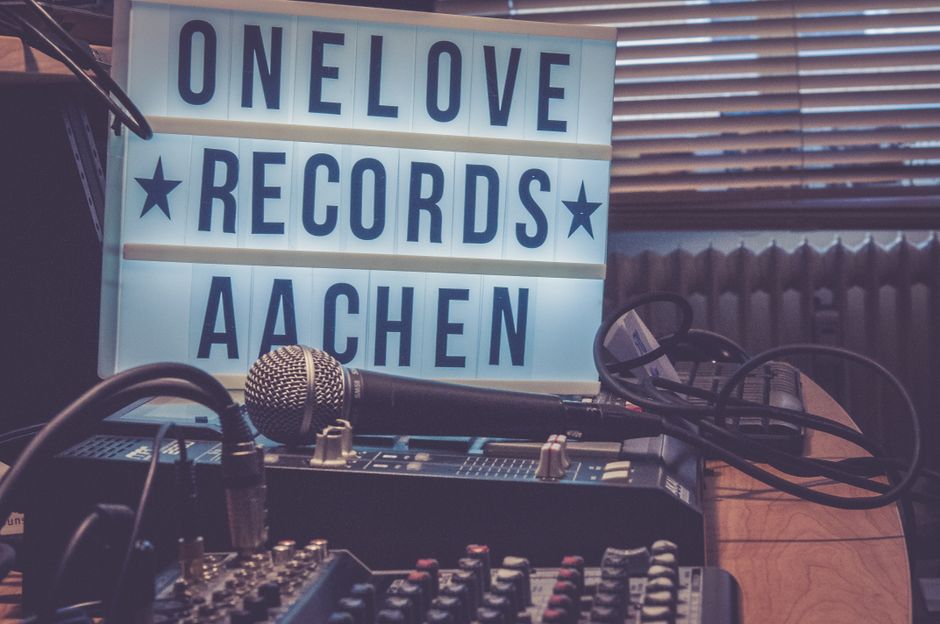
One of the primary reasons artists choose to rent a recording studio is the access to professional-grade equipment. Most home studios simply cannot compete with the high-quality microphones, mixing consoles, and soundproofing that professional studios offer. This elevated quality can significantly enhance the final product, making recordings sound more polished and radio-ready.
Additionally, recording studios often provide an environment that fosters creativity. Unlike typical home settings, studios are designed specifically for music production and often feature acoustically treated rooms. This can help artists focus on their craft without the distractions of everyday life.
Furthermore, many studios offer the guidance of experienced sound engineers and producers. These professionals can provide invaluable insights and technical support, helping artists achieve their desired sound more efficiently. This collaboration can lead to better recordings and a more enjoyable studio experience overall.
Factors to Consider When Renting a Studio
When considering a recording studio rental, several factors come into play. First and foremost, consider your budget. Studio rates can vary significantly based on location, equipment, and the experience of the staff. It’s essential to set a budget that allows for flexibility, as unexpected costs can arise during the recording process.
Another critical factor is the studio location. Choosing a studio that is easily accessible can save time and reduce stress, especially if you plan to have multiple sessions. Additionally, consider the studio’s reputation and the types of artists they typically work with. Reading reviews and asking for recommendations can help you make an informed decision.
Lastly, don’t overlook the importance of the studio’s atmosphere. Visiting the studio beforehand can give you a sense of the environment and whether it aligns with your creative vision. Some studios may have a more relaxed vibe, while others might feel more corporate, so choose one that resonates with you.
How to Make the Most of Your Studio Time
Once you’ve secured a recording studio rental, it’s time to prepare for your session. Preparation is key to making the most of your time in the studio. Start by organizing your thoughts and ideas before your session. Creating a detailed plan or a list of songs you want to record can help you stay focused and efficient.
Moreover, consider rehearsing with your band or collaborators before the recording day. Familiarity with the songs can lead to smoother takes and less time spent on retakes. Also, communicating clearly with the sound engineer about your vision for the sound can lead to a more productive session.
Don’t forget to take breaks during long sessions. Fatigue can lead to decreased creativity and productivity, so periodic breaks can help refresh your mind and maintain your energy levels. It’s also a good idea to hydrate and keep snacks on hand to keep your energy up.
Post-Recording Steps
After your recording session, the work isn’t quite finished. The next step is mixing and mastering your tracks, which can also be done at the studio or outsourced to a professional. Mixing involves adjusting levels, panning, and adding effects, while mastering ensures that your final track sounds cohesive and polished across different playback systems.
Once your music is ready, consider how you want to distribute it. Digital platforms like Spotify, Apple Music, and Bandcamp provide excellent avenues for reaching a broader audience. Having a well-thought-out release strategy can make a significant difference in how your music is received.
Finally, take the time to promote your work. Utilize social media, email newsletters, and even local gigs to get the word out about your new tracks. Engaging with your audience can create a loyal fan base that will support your future projects.
Conclusion
Renting a recording studio can be a transformative experience for artists at any stage of their careers. By providing access to high-quality equipment, a conducive environment for creativity, and professional guidance, recording studio rentals present opportunities that can elevate your music to new heights. As you embark on this journey, remember to plan thoughtfully, communicate effectively, and stay engaged with your creative process. Whether you’re laying down your first track or working on your next album, the right studio can make all the difference in realizing your artistic vision. For those interested in exploring their options, recording studio rental offers a fantastic opportunity to dive into the world of professional music production.