Aerial drone photography has revolutionized the way we capture images from above, providing a unique perspective that was once reserved for professional pilots and expensive equipment. With the advancement of technology, drones have become accessible to hobbyists and professionals alike, enabling stunning aerial shots that were previously unimaginable. This article delves into the various aspects of aerial drone photography, including its benefits, techniques, and applications in different fields.
The Rise of Drones in Photography
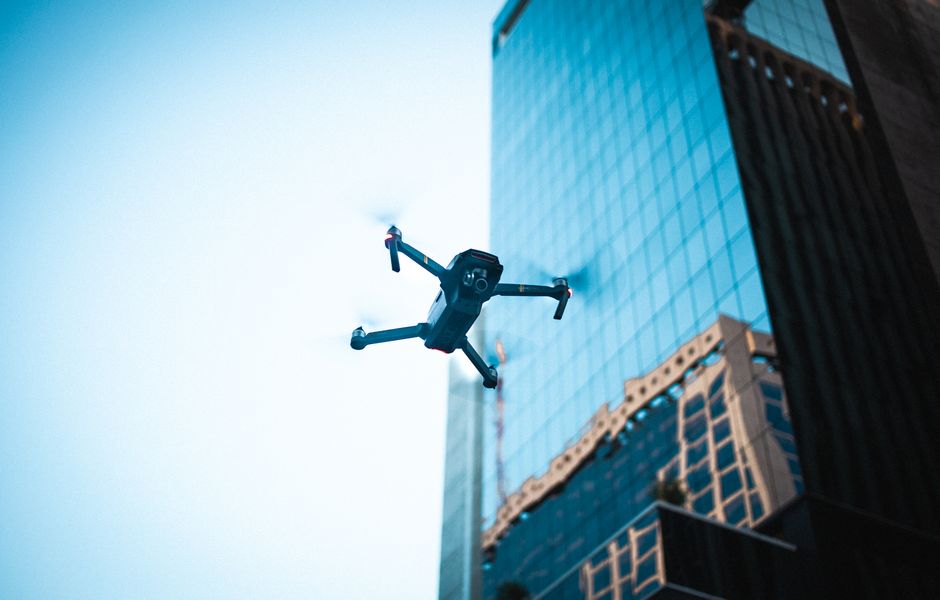
The popularity of drones has soared in recent years, with the global drone market projected to reach $43 billion by 2024, according to a report by Fortune Business Insights. This growth is largely attributed to the increasing demand for aerial photography in sectors such as real estate, tourism, and filmmaking. Drones provide a cost-effective solution for capturing high-quality images and videos from unique angles that traditional cameras cannot achieve.
Moreover, the ease of use of modern drones has made them a favorite among amateur photographers. Many models come equipped with user-friendly features like GPS, automated flight paths, and obstacle avoidance systems. This accessibility has opened up a world of creative possibilities for those looking to explore aerial photography.
One notable example is the use of drones in real estate marketing. Agents can showcase properties with stunning aerial views, giving potential buyers a comprehensive look at the location and surrounding areas. This innovative approach has proven to enhance listings and attract more clients.
Essential Equipment for Aerial Photography
To embark on your aerial photography journey, it’s crucial to choose the right drone. Factors to consider include camera quality, battery life, flight range, and ease of control. Popular options include the DJI Mavic Air and the Phantom 4 Pro, both known for their impressive image quality and stability in flight.
Beyond the drone itself, additional equipment can enhance your aerial photography experience. Gimbals help stabilize the camera during flight, ensuring smooth and professional-looking footage. Extra batteries are essential for extending your flight time, while ND filters can help manage exposure and improve image quality in bright conditions.
Lastly, a reliable editing software is vital for post-processing your aerial shots. Programs like Adobe Lightroom and Photoshop allow photographers to enhance their images, making colors pop and correcting any imperfections.
Techniques for Capturing Stunning Aerial Images
Mastering aerial photography requires practice and an understanding of various techniques. One essential technique is the use of the rule of thirds, which involves dividing the image into a grid to create a balanced composition. Placing key elements along these lines can significantly enhance the visual appeal of your photographs.
Another important tip is to consider the time of day when shooting. The golden hour, which occurs shortly after sunrise and before sunset, provides soft and warm lighting that can transform an ordinary aerial shot into something extraordinary. Additionally, experimenting with different altitudes and angles can yield diverse perspectives and creative compositions.
It’s also beneficial to scout locations beforehand. Understanding the landscape and identifying potential obstacles can help you plan your shots more effectively, ensuring a smooth and successful flight experience.
Applications of Aerial Drone Photography
Aerial drone photography has a wide range of applications across various industries. In agriculture, farmers utilize drones to monitor crop health and assess land conditions, allowing for more efficient use of resources. In construction, drones provide real-time progress updates and site inspections, improving project management.
The tourism industry has also embraced aerial photography, using stunning drone footage to promote destinations and attract visitors. Travel agencies and hotels often incorporate aerial shots in their marketing campaigns to showcase the beauty of their locations.
In addition, aerial drone photography plays a crucial role in environmental conservation. Organizations use drones to monitor wildlife populations, assess habitat changes, and detect illegal activities such as poaching or deforestation.
Legal Considerations and Safety Measures
As with any technology, aerial drone photography comes with legal responsibilities and safety considerations. In many countries, drone pilots are required to register their drones and adhere to specific regulations set by aviation authorities. Understanding these rules is essential to avoid fines and ensure safe flying practices.
Moreover, it’s vital to respect privacy laws. Always obtain permission before flying your drone over private property, and be mindful of capturing images of individuals without their consent.
Safety should also be a top priority. Conduct a pre-flight checklist to ensure your equipment is functioning properly, and always be aware of your surroundings. Avoid flying in adverse weather conditions and maintain a safe distance from people and structures to prevent accidents.
Conclusion
Aerial drone photography offers a remarkable way to capture the world from above, providing unique perspectives and opportunities for creativity. As technology continues to advance, the possibilities for this art form are endless. Whether you’re a hobbyist looking to explore new heights or a professional seeking to enhance your portfolio, understanding the nuances of aerial drone photography can lead to breathtaking results. Embrace the journey and discover the beauty that lies beyond the ground.
For those interested in taking their skills to the next level, resources and tutorials on aerial drone photography can be invaluable in refining techniques and expanding knowledge.