
In today’s highly competitive food industry, the importance of restaurant interior design cannot be overstated. A well-designed space not only enhances the dining experience but also plays a crucial role in attracting and retaining customers. This article explores the key elements of effective restaurant interior design, providing insights and practical tips for restaurant owners and designers alike.
Understanding the Importance of Atmosphere
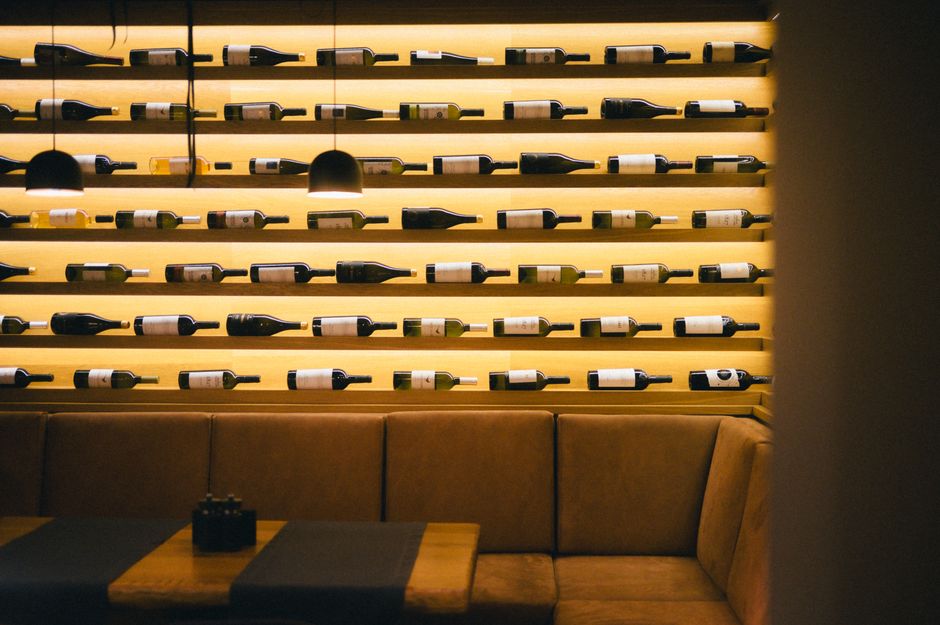
Atmosphere is a vital component of any restaurant’s success. It encompasses everything from the color scheme and lighting to the layout and furniture. A welcoming atmosphere can encourage guests to stay longer and spend more. Studies show that restaurants with well-thought-out interiors can see an increase in customer satisfaction and repeat visits.
For example, a cozy, intimate setting might be ideal for a fine dining establishment, while a vibrant, lively atmosphere could suit a casual eatery. Choosing the right atmosphere not only aligns with the restaurant’s concept but also resonates with the target demographic.
Key Elements of Effective Design
When it comes to restaurant interior design, several key elements should be considered. First, the layout is crucial. An efficient layout facilitates smooth service and enhances the guest experience. It’s important to create a flow that allows both customers and staff to navigate the space comfortably.
Next, color choice plays a significant role. Colors can influence mood and appetite; for instance, warm colors like red and orange can stimulate appetite, while cooler tones can create a calm ambiance. Incorporating a thoughtful color palette can transform the dining experience and align with the restaurant’s branding.
Incorporating Branding into the Design
Branding is not just about logos and menus; it extends to the entire restaurant experience, including interior design. The design should reflect the restaurant’s values and theme. For instance, a farm-to-table restaurant might use rustic wooden furniture and natural elements to emphasize its commitment to sustainability.
Additionally, unique design features can set a restaurant apart from competitors. Incorporating local art or themed decor can create a memorable dining experience that encourages word-of-mouth marketing. For those looking for inspiration, consulting experts in restaurant interior design can provide valuable insights.
Lighting: The Unsung Hero of Design
Lighting is often an overlooked aspect of restaurant design, yet it can dramatically affect the mood and ambiance. Different areas of the restaurant may require different lighting—bright lights for the kitchen and softer, ambient lighting for the dining area.
Using various light sources, such as pendant lights, wall sconces, and candles, can create depth and interest. Moreover, natural light should be maximized wherever possible, as it can enhance the overall dining experience and make the space feel more inviting.
Furniture Selection: Comfort Meets Style
Furniture is a crucial part of restaurant interior design, balancing comfort and style. Chairs and tables should be comfortable for long meals yet aesthetically pleasing. The selection of materials and finishes can also impact the overall vibe; for instance, upholstered chairs may offer a more luxurious feel, while wooden chairs can create a rustic charm.
Furthermore, furniture layout should not only accommodate the desired number of guests but also allow for privacy and ease of movement. Creating distinct zones within the restaurant can help manage different dining experiences, from casual meals to celebratory gatherings.
Conclusion: The Future of Restaurant Design
As trends in the food industry evolve, so too must restaurant interior design. Emphasizing sustainable materials, flexible spaces, and technology integration are becoming increasingly important. Restaurant owners must stay ahead of the curve, adapting their designs to meet changing consumer preferences.
Ultimately, a thoughtfully designed restaurant can significantly enhance the customer experience, leading to higher satisfaction and loyalty. By considering atmosphere, layout, branding, lighting, and furniture selection, restaurant owners can create inviting spaces that not only attract customers but also keep them coming back for more.