In the competitive world of dining, the ambiance of a restaurant plays a crucial role in attracting and retaining customers. Restaurant interior design is not merely about aesthetics; it’s about creating an inviting atmosphere that enhances the dining experience. In this article, we will explore various aspects of restaurant interior design, from choosing the right color palette to furniture selection, and how these elements contribute to the overall success of a restaurant.
Understanding the Importance of Interior Design
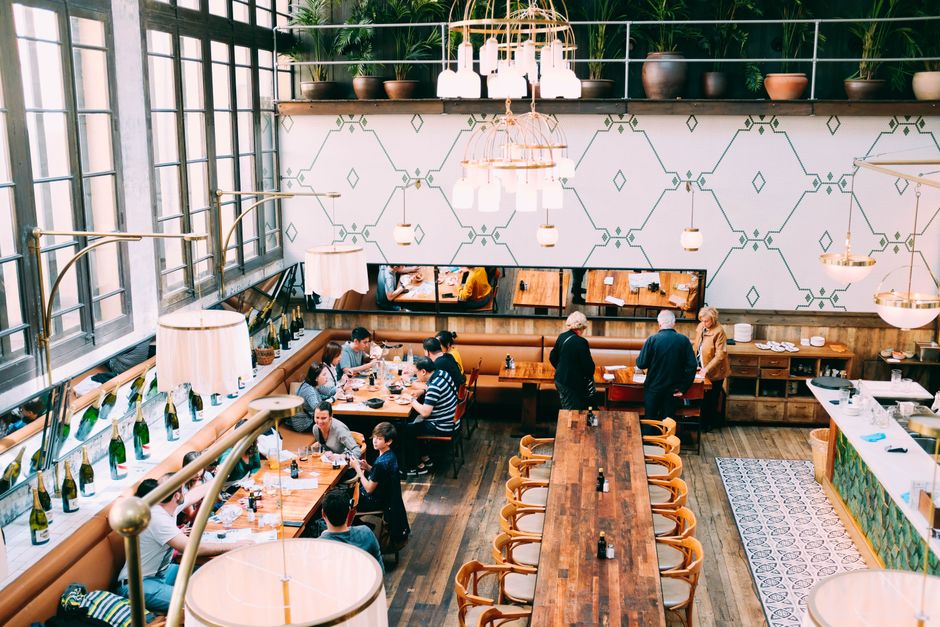
Interior design is an essential part of a restaurant’s brand identity. It reflects the restaurant’s theme and influences customers’ perceptions and emotions. Studies show that a well-designed interior can increase customer satisfaction and encourage repeat visits. For instance, a restaurant with a cozy, warm ambiance may attract families looking for a comfortable place to dine, while a sleek, modern design might appeal to a younger, trendier crowd.
Moreover, the layout of a restaurant affects the flow of service and the overall dining experience. A well-thought-out interior can enhance efficiency for staff while providing a pleasant experience for patrons. Effective space management, lighting, and acoustics all play a role in how customers interact with the space.
Color Psychology in Restaurant Design
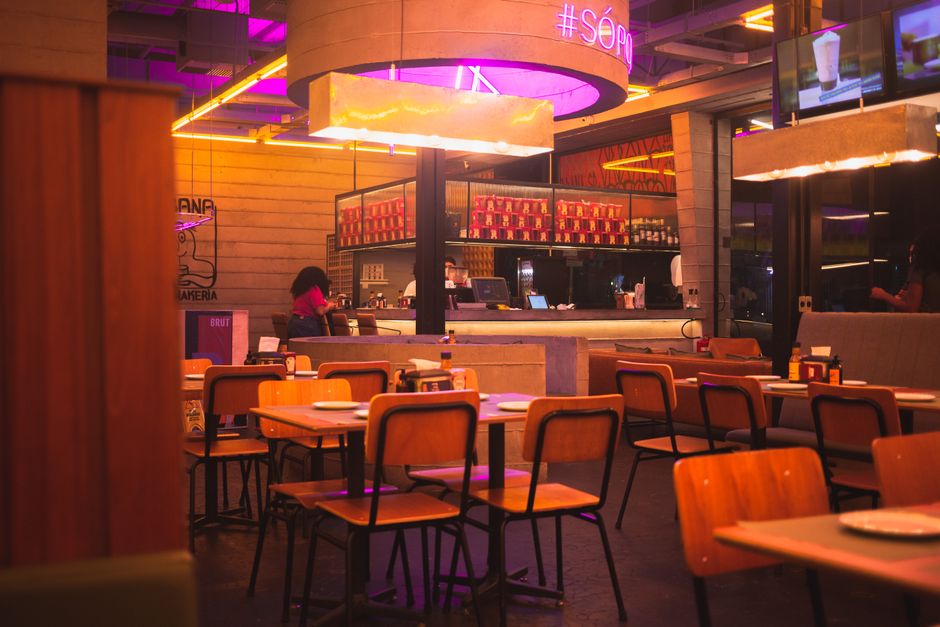
The choice of colors in a restaurant can significantly impact customers’ moods and behaviors. Color psychology suggests that different colors evoke different feelings and reactions. For instance, warm colors like red and orange can stimulate appetite and encourage social interaction, making them popular choices for many dining establishments.
On the other hand, cool colors such as blue and green can create a calming atmosphere, ideal for a fine dining experience. The key is to find a balance that aligns with the restaurant’s theme and target audience. A vibrant, eclectic eatery may thrive with bold colors, while a sophisticated wine bar might benefit from a more muted palette.
The Role of Furniture and Layout
Furniture selection is another critical component of restaurant interior design. The style, comfort, and arrangement of furniture can greatly influence the dining experience. Comfortable seating encourages patrons to linger longer, potentially increasing their expenditure. Furthermore, the layout should facilitate easy movement for both customers and staff, ensuring a seamless dining experience.
For example, a restaurant with a mix of booth seating and tables can cater to both intimate dinners and larger groups, maximizing its space and appeal. Additionally, the choice of materials and finishes can enhance the overall aesthetic while ensuring durability and ease of maintenance.
Lighting as a Design Element
Lighting is a powerful tool in restaurant interior design. It not only serves a functional purpose but also sets the mood and enhances the ambiance. A well-lit restaurant can feel warm and inviting, while dim lighting can create a more intimate atmosphere. Different areas of the restaurant might require different lighting solutions; for instance, brighter lights may be suitable for the main dining area, while softer lighting is ideal for private dining spaces.
Incorporating various light sources, such as pendant lights, wall sconces, and candles, can add depth and interest to the design. Additionally, the use of natural light through windows or skylights can create an open and airy feel, which is particularly appealing during daytime dining.
Integrating Technology into Design
With the rise of technology, integrating tech solutions into restaurant design has become increasingly important. Considerations such as digital menus, contactless payment systems, and online reservations can enhance customer convenience and streamline operations. Moreover, the aesthetic integration of technology, such as screens displaying the menu or artwork, can add a modern touch to the interior.
Furthermore, technology can also be used to enhance the overall ambiance. Sound systems can be strategically placed to control the acoustics of the space, ensuring that background music complements the dining experience without overwhelming conversation.
Conclusion
In conclusion, restaurant interior design is a multifaceted discipline that goes beyond mere decoration. By understanding the importance of color psychology, furniture selection, lighting, and technology integration, restaurant owners can create an inviting atmosphere that enhances the dining experience. A well-designed interior not only attracts customers but also encourages them to return. As the industry continues to evolve, staying ahead of design trends will be crucial for any restaurant aiming for long-term success. For more insights into restaurant interior design, consider consulting with experienced designers who can bring your vision to life.