In the competitive world of dining, the design of a restaurant’s interior can significantly impact customer experience and satisfaction. A well-thought-out interior not only enhances the aesthetic appeal but also influences the mood and appetite of diners. From selecting the right color palette to choosing the ideal furniture, every element plays a crucial role in defining the overall atmosphere of the restaurant. This article delves into the key aspects of restaurant interior design that can elevate the dining experience.
The Importance of Concept Development
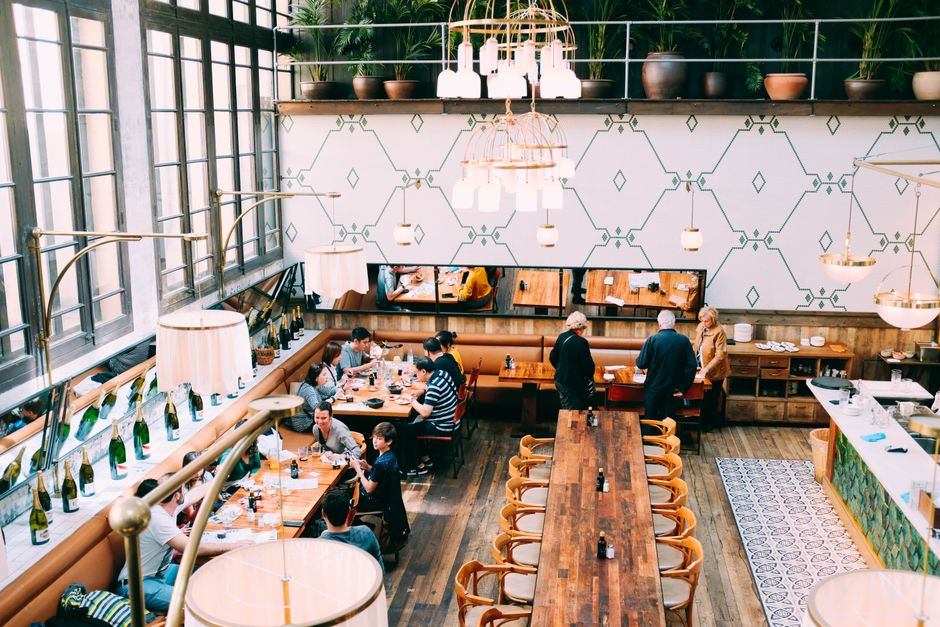
Before diving into the specifics of restaurant interior design, it’s essential to establish a clear concept. This concept should reflect the restaurant’s theme, cuisine, and target audience. For instance, a fine dining establishment might opt for an elegant and sophisticated design, while a casual eatery could embrace a more relaxed and vibrant atmosphere. The concept serves as a guiding principle throughout the design process, ensuring that every choice aligns with the intended experience.
One effective way to develop a concept is through mood boards, which visually represent the desired style and ambiance. This can include color swatches, material samples, and images of similar establishments. By creating a cohesive vision, restaurant owners can effectively communicate their ideas to designers and contractors.
Color Psychology in Interior Design
The choice of colors in a restaurant’s interior can greatly influence diners’ emotions and behaviors. Color psychology suggests that different hues evoke various feelings and reactions. For example, warm colors like red and orange can stimulate appetite and energy, making them suitable for fast-casual dining environments. In contrast, cooler tones like blue and green can create a sense of calm and relaxation, ideal for fine dining or health-focused restaurants.
Furthermore, the strategic use of color can help define different areas within the restaurant. For instance, brighter colors might be used in the bar area to encourage social interaction, while softer tones could be implemented in more intimate dining spaces for a relaxed dining experience. Understanding how color affects mood can significantly enhance the overall dining atmosphere.
Furniture Selection and Layout
Furniture is another critical element in restaurant interior design. The selection of tables, chairs, and other furnishings must align with the restaurant’s concept and provide comfort to the guests. For instance, high-top tables may work well in a lively bar setting, while plush seating could enhance the experience in a fine dining restaurant.
Additionally, the layout of the furniture plays a significant role in the flow of the restaurant. It’s essential to create an inviting and accessible layout that encourages movement without feeling cramped. Adequate spacing between tables allows for privacy while also facilitating efficient service. A well-planned layout can improve customer satisfaction and operational efficiency.
Lighting: Setting the Mood
Lighting is a powerful tool in restaurant interior design that can dramatically affect the ambiance. The right lighting can create a warm and inviting atmosphere, while poor lighting can detract from the dining experience. Layering different types of lighting—ambient, task, and accent—can achieve a balanced and dynamic environment.
For example, ambient lighting provides general illumination, while task lighting focuses on specific areas, such as over tables or in the kitchen. Accent lighting can highlight artwork or architectural features, adding an extra layer of interest to the space. Thoughtful lighting design not only enhances aesthetics but also influences how customers perceive food and service.
Incorporating Local Culture and Design Trends
Incorporating elements of local culture into the restaurant’s interior design can create a sense of authenticity and connection with the community. Using locally sourced materials, artwork from local artists, or design motifs reflective of the region can enhance the dining experience and foster a sense of place.
Moreover, keeping up with current design trends is essential for staying relevant in the competitive restaurant industry. Trends such as sustainable design, biophilic elements, and open kitchen concepts can attract modern diners who value unique and innovative experiences. By blending local culture with contemporary design trends, restaurant owners can create a memorable and distinctive environment that resonates with their target audience.
Conclusion
In conclusion, restaurant interior design is a multifaceted discipline that requires careful consideration of various elements, from concept development to lighting. A thoughtfully designed interior can enhance customer experience, drive repeat business, and ultimately contribute to the success of the restaurant. By understanding the principles of color psychology, furniture selection, and cultural incorporation, restaurant owners can create an inviting and engaging atmosphere that appeals to diners. For those looking to take their restaurant’s aesthetic to the next level, seeking professional guidance in restaurant interior design can provide valuable insights and expertise.