In the ever-evolving music industry, the demand for high-quality recording facilities is on the rise. For both aspiring musicians and established artists, accessing a professional recording studio can be a game-changer. The option of renting a recording studio provides flexibility, affordability, and access to state-of-the-art equipment that may otherwise be out of reach. This article explores the benefits of recording studio rentals, key considerations when choosing a studio, and tips for maximizing your recording experience.
The Benefits of Renting a Recording Studio
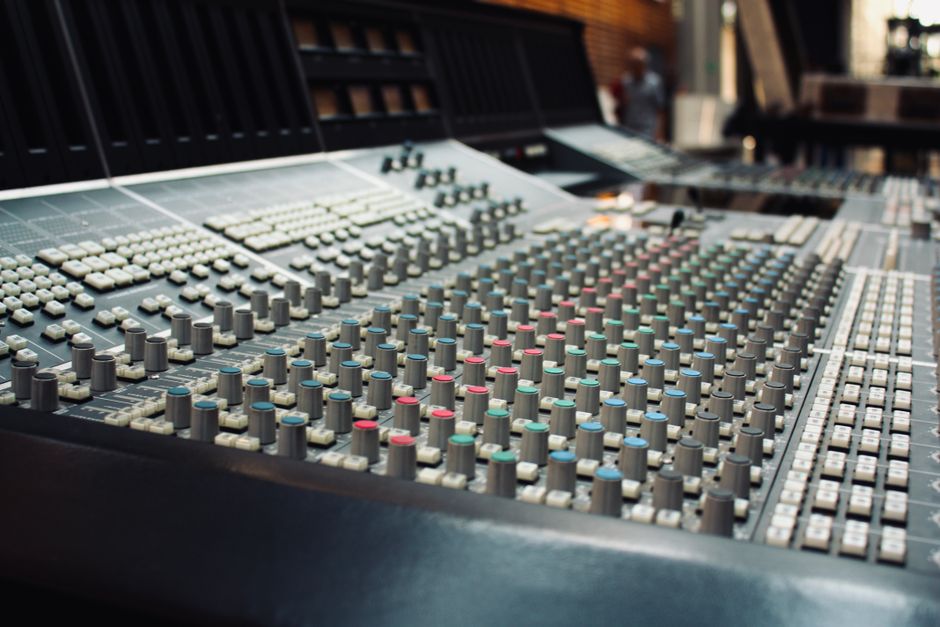
One of the primary advantages of renting a recording studio is the access to professional-grade equipment. Many recording studios are equipped with high-end microphones, mixing consoles, and software that can significantly enhance the quality of your recordings. This access allows artists to achieve a polished sound that can elevate their music to the next level.
Additionally, renting a studio can be more cost-effective than building your own personal studio. Setting up a professional studio requires substantial investment in both equipment and soundproofing, which can be prohibitive for many artists. By opting for a recording studio rental, musicians can allocate their budgets towards other critical areas, such as marketing and promotion.
Moreover, recording studios often come with experienced engineers and producers who can provide valuable guidance throughout the recording process. Their expertise can help artists fine-tune their sound, experiment with different techniques, and ultimately produce a higher quality product.
Choosing the Right Recording Studio
When it comes to selecting a recording studio, several factors should be taken into account. First, consider the location of the studio. A conveniently located studio can save time and reduce stress during the recording process. Additionally, think about the studio’s reputation and reviews from previous clients. Researching online reviews and testimonials can provide insight into the studio’s quality and service.
Furthermore, it’s essential to assess the studio’s equipment and facilities. Make sure they offer the specific instruments and technology you need for your project. This could include everything from vocal booths to live rooms that can accommodate a full band.
Lastly, don’t overlook the importance of the studio’s atmosphere. A comfortable and inspiring environment can significantly impact creativity and productivity during recording sessions. Tour the studio beforehand, if possible, to ensure it aligns with your vision.
Maximizing Your Recording Experience
Once you’ve chosen a studio, it’s time to prepare for your recording sessions. Effective preparation can make a world of difference in achieving the desired sound. Start by creating a detailed plan that outlines your recording goals, the songs you want to work on, and any specific sounds or effects you aim to achieve.
Additionally, rehearse with your band or collaborators before the recording day. Familiarity with the material can minimize time spent in the studio and ensure a smoother recording process. It’s also beneficial to communicate openly with the studio engineer, sharing your vision and any references that may help convey your desired outcome.
Don’t forget to take breaks during long recording sessions. Fatigue can lead to diminishing returns in quality, so giving yourself and your team time to recharge can maintain high energy and focus throughout the process.
Post-Recording Considerations
After the recording sessions, the next steps typically involve mixing and mastering your tracks. Many recording studios offer these services in-house, but it’s crucial to clarify the costs associated with them in advance. Quality mixing and mastering can significantly enhance your final product, ensuring it sounds great across various platforms, from streaming services to radio.
Once the final mix is complete, consider your distribution strategy. Understanding how to navigate the music industry’s digital landscape can help you reach a wider audience. Platforms like Spotify, Apple Music, and Bandcamp provide musicians with opportunities to showcase their work to the world.
Lastly, don’t underestimate the power of promoting your music. Utilize social media, press releases, and live performances to create buzz around your new tracks. Engaging with your audience can help build your fan base and increase the success of your music.
Conclusion
Renting a recording studio can be an invaluable asset for musicians looking to elevate their craft. With access to professional equipment, skilled personnel, and a conducive environment for creativity, artists can produce high-quality recordings that resonate with listeners. By understanding the benefits, carefully choosing a studio, and maximizing your time there, you can unlock the full potential of your musical endeavors. So, if you’re ready to take your music to the next level, consider the advantages of a recording studio rental and embark on your journey to sonic excellence.