Maintaining a septic tank is an essential aspect of home ownership, especially in areas without access to municipal sewer systems. Regular septic tank cleaning ensures efficient waste management and prevents costly repairs in the future. In this article, we will explore the importance of septic tank cleaning, signs that your tank needs maintenance, and best practices for keeping your septic system in optimal condition.
Why Septic Tank Cleaning is Crucial
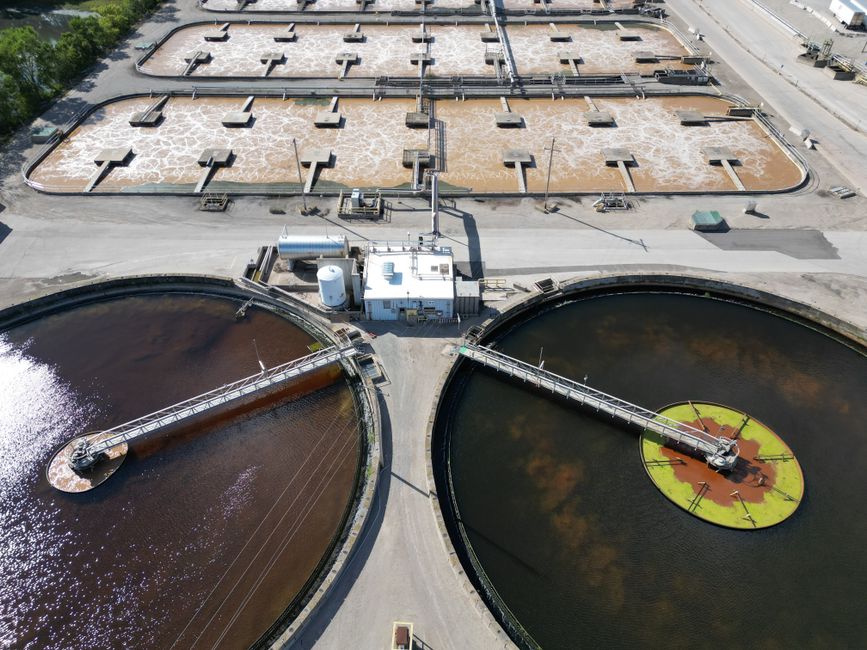
Septic tanks play a vital role in treating household wastewater. Over time, solid waste accumulates at the bottom of the tank, leading to sludge buildup. If left unchecked, this can cause the tank to overflow, leading to sewage backup and environmental contamination. Regular cleaning helps to remove this sludge, allowing the system to function efficiently.
According to the Environmental Protection Agency (EPA), septic tanks should be pumped every 3 to 5 years, depending on the size of the tank and the number of occupants in the home. Neglecting this maintenance can result in significant health hazards, as well as costly repairs that could have been avoided.
Signs Your Septic Tank Needs Cleaning
Homeowners should be aware of several indicators that their septic tank may require cleaning. Some common signs include:
- Slow drains throughout the home
- Unpleasant odors near the septic tank or drain field
- Pooling water or lush vegetation around the drain field
- Backflows in toilets or sinks
If you notice any of these signs, it is crucial to contact a professional for an inspection. Ignoring these symptoms may lead to severe problems that could endanger your health and property.
Best Practices for Septic Tank Maintenance
Proper septic tank maintenance extends beyond regular cleaning. Here are some best practices to keep your system functioning well:
1. **Avoid Flushing Non-Biodegradable Items**: Items like wipes, feminine hygiene products, and paper towels should never be flushed. These can clog the system and lead to costly repairs.
2. **Monitor Water Usage**: Excessive water usage can overload your septic system. Implementing water-saving fixtures and practices can help maintain balance.
3. **Regular Inspections**: In addition to cleaning, schedule regular inspections with a qualified technician. This can help identify potential issues before they escalate.
4. Septic maintenance products are also available, which can help break down solids and promote a healthy septic environment.
Choosing the Right Septic Tank Cleaning Service
Selecting a reliable septic tank cleaning service is essential. Look for companies that are licensed and insured, and consider their experience in the industry. Reading customer reviews and asking for recommendations from neighbors can also guide your decision.
When evaluating potential services, inquire about their cleaning methods. A reputable company should use safe and effective techniques that minimize harm to the environment while ensuring thorough cleaning.
Conclusion
Septic tank cleaning is a critical aspect of home maintenance that should not be overlooked. By understanding the importance of regular cleaning, recognizing the signs that maintenance is needed, and following best practices, homeowners can ensure their septic systems operate efficiently. Additionally, choosing a reliable cleaning service will help prevent costly repairs and protect both health and the environment. Invest in your septic system today for peace of mind tomorrow.