
Irrigation systems play a crucial role in modern agriculture, providing the necessary water supply to crops and ensuring optimal growth conditions. As the global population continues to rise, the demand for food increases, making efficient water management more vital than ever. This article delves into the various types of irrigation systems, their benefits, and the technology behind them.
Types of Irrigation Systems
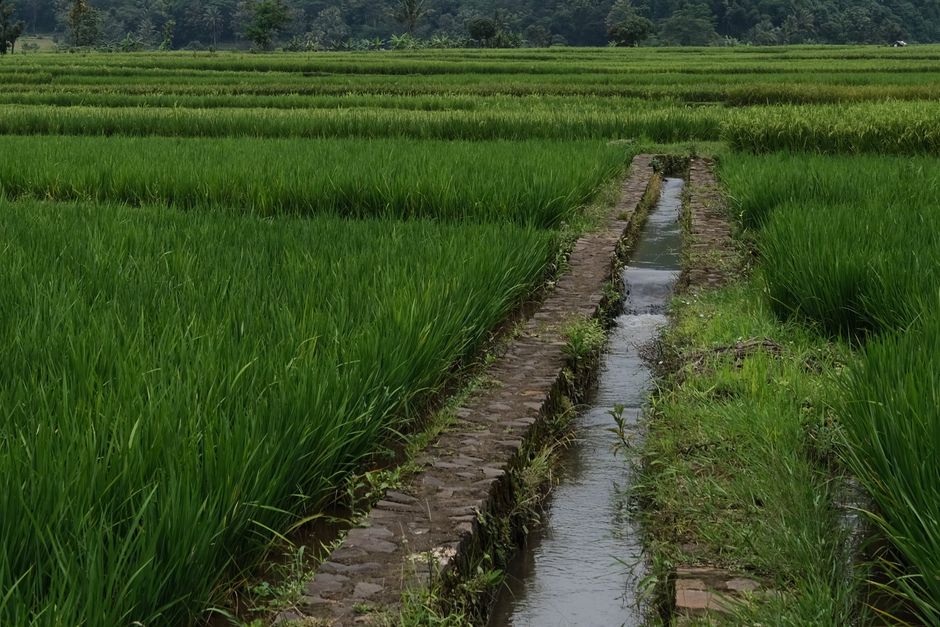
There are several types of irrigation systems, each tailored to specific agricultural needs and environments. The most common types include surface irrigation, drip irrigation, sprinkler irrigation, and subsurface irrigation. Understanding these systems is essential for farmers looking to optimize their water usage and improve crop yields.
Surface irrigation, one of the oldest methods, involves the direct application of water to the soil surface, allowing it to flow across the field. This method is cost-effective but can be inefficient if not managed properly. Drip irrigation, on the other hand, is a more modern approach that delivers water directly to the plant’s roots through a network of tubes and emitters. This method conserves water and reduces evaporation losses.
Sprinkler irrigation mimics natural rainfall by distributing water through a system of pipes and pumps. It is versatile and can be used in various landscapes, making it suitable for both small and large-scale farming. Lastly, subsurface irrigation involves placing water delivery systems below the soil surface, which minimizes evaporation and reduces weed growth.
Benefits of a Well-Designed Irrigation System
A well-designed irrigation system offers numerous benefits beyond just supplying water to crops. One of the most significant advantages is improved crop yields. By ensuring that plants receive the right amount of water at the right time, farmers can increase productivity and quality. According to studies, efficient irrigation can lead to yield increases of 20-30% in various crops.
Additionally, a well-implemented irrigation system can save water, which is a precious resource, especially in arid regions. For example, drip irrigation systems can reduce water usage by up to 60% compared to traditional methods. This efficiency not only conserves water but also lowers costs associated with water procurement.
Furthermore, modern irrigation systems can be integrated with technology, such as sensors and automation, to monitor soil moisture levels and adjust water delivery accordingly. This technological advancement leads to more precise irrigation practices, ultimately contributing to sustainable farming.
Technological Advances in Irrigation
The irrigation industry has seen significant technological advancements in recent years. Smart irrigation systems equipped with sensors and controllers allow farmers to optimize water usage based on real-time data. These systems can measure soil moisture levels, weather forecasts, and even evapotranspiration rates to determine when and how much water to apply.
For instance, some modern systems utilize satellite imagery and remote sensing technology to assess crop health and water needs from above. This data-driven approach enables farmers to make informed decisions and reduce water wastage. Moreover, mobile applications are now available that allow farmers to manage their irrigation systems from their smartphones, offering convenience and efficiency.
Another innovation is the use of rainwater harvesting systems in conjunction with traditional irrigation methods. By collecting and storing rainwater, farmers can supplement their irrigation supply, reducing reliance on groundwater and surface water sources.
Challenges in Implementing Irrigation Systems
Despite the numerous benefits, implementing an effective irrigation system can present challenges. One of the primary concerns is the initial investment cost. High-quality irrigation systems, especially advanced technologies like drip or smart irrigation, can require substantial upfront expenses. However, farmers should consider the long-term savings and increased yields that these systems can provide.
Additionally, proper maintenance is essential for the longevity and effectiveness of irrigation systems. Clogging, leaks, and mechanical failures can lead to inefficiencies and increased costs. Therefore, regular inspections and maintenance schedules should be established to ensure optimal performance.
Another challenge is the variability of water availability. Farmers must navigate the complexities of local water rights, climate conditions, and seasonal variations. In regions facing drought, water scarcity can become a significant issue, making it crucial for farmers to adopt adaptive management strategies.
Conclusion
In conclusion, an effective irrigation system is vital for sustainable agriculture and food security. By understanding the various types of systems available, their benefits, and the technological advancements that can enhance water management, farmers can make informed decisions that lead to increased productivity and resource conservation. As the pressures of global food demands grow, investing in efficient irrigation practices will be essential for the future of farming.
For further information on irrigation systems, visit this comprehensive resource on irrigation technology: irrigation system.