
The luxury market has seen a significant transformation over the past decade, with the emergence of luxury brand resellers playing a pivotal role in reshaping consumer behavior and retail strategies. As more consumers seek exclusive products at competitive prices, resellers have stepped in to provide a solution that bridges the gap between luxury and accessibility. This article delves into the dynamics of luxury brand reselling, exploring its impact on the market, consumer trends, and the future of luxury retail.
Understanding the Luxury Reselling Market
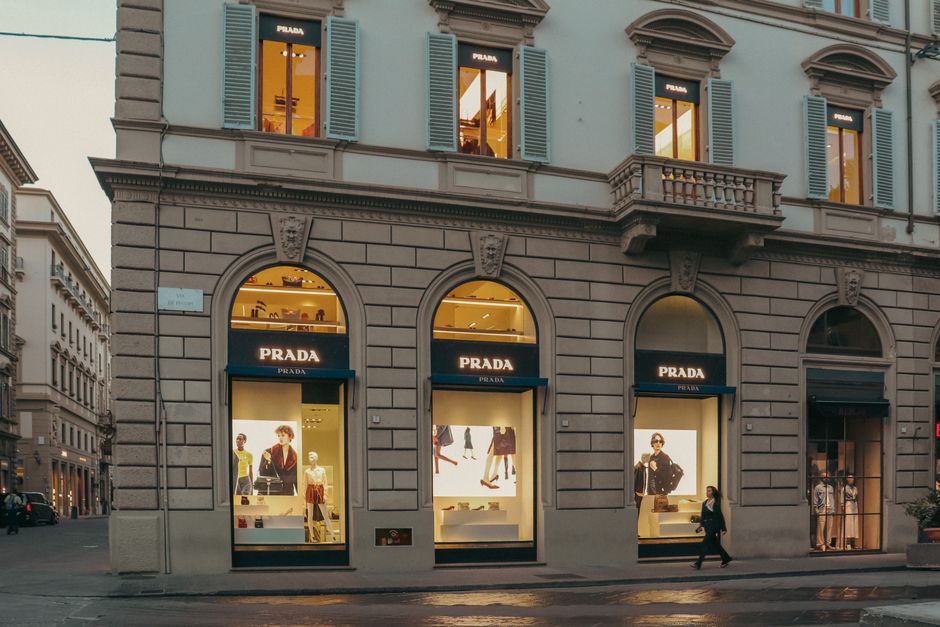
The luxury reselling market is a booming sector within the broader e-commerce landscape, characterized by the buying and selling of high-end goods, often at reduced prices compared to traditional retail. According to a report by ThredUp, the secondhand market is projected to reach $64 billion by 2024, indicating a growing acceptance of pre-owned luxury items among consumers. This shift is driven by various factors, including sustainability concerns and the desire for unique fashion pieces.
Luxury brand resellers operate through various platforms, including online marketplaces and physical stores, offering a curated selection of items ranging from designer handbags to rare sneakers. These platforms have democratized access to luxury goods, enabling consumers who may not afford brand-new items to indulge in high-end fashion.
The Role of Technology in Reselling
Technology has been a significant enabler of the luxury reselling trend. With the rise of social media and mobile commerce, resellers have harnessed these tools to reach a broader audience. Brands like The RealReal and StockX have successfully integrated technology into their business models, utilizing data analytics to identify trends and curate their offerings effectively.
Furthermore, authentication technology has also gained importance, as it assures buyers of the authenticity of luxury items. Many resellers now employ experts to verify products, ensuring that consumers can shop with confidence. This focus on authenticity is crucial, as counterfeit goods have long plagued the luxury market.
Consumer Trends Driving Reselling
Today’s consumers are more conscious of their purchasing decisions than ever before. Luxury brand resellers are capitalizing on this trend by emphasizing sustainability and responsible consumption. A survey conducted by McKinsey found that 66% of consumers consider sustainability when making a purchase, a significant factor driving the popularity of pre-owned luxury items.
Additionally, the demographic profile of luxury consumers is evolving. Younger generations, particularly Millennials and Gen Z, are more inclined to seek out unique and vintage items, often preferring resellers over traditional luxury retailers. This shift in consumer behavior is reshaping the luxury market, encouraging brands to adapt their strategies to cater to this new audience.
The Challenges and Opportunities for Resellers
While the luxury reselling market presents numerous opportunities, it is not without its challenges. Resellers face intense competition, both from other resellers and from established luxury brands that are beginning to explore their resale options. For instance, brands like Gucci and Burberry have launched their resale initiatives, aiming to reclaim the secondhand market.
Moreover, maintaining quality and authenticity remains a critical concern for resellers. As the market grows, the risk of counterfeit products also increases, necessitating robust verification processes. However, those who can navigate these challenges effectively stand to benefit significantly from the lucrative opportunities that the luxury reselling market offers. For instance, a successful luxury brand reseller can leverage their expertise to build a loyal customer base and establish themselves as trusted authorities in the field.
The Future of Luxury Brand Reselling
The future of luxury brand reselling looks promising, with continuous growth expected in the coming years. As more consumers turn to secondhand alternatives, resellers are likely to expand their offerings and enhance their services. The integration of innovative technologies, such as blockchain for authentication and AI for personalized shopping experiences, will further transform the landscape.
Moreover, as sustainability becomes a core value for many consumers, luxury brand resellers will play a crucial role in promoting responsible consumption. By offering high-quality pre-owned items, they contribute to reducing waste and encouraging a circular economy within the luxury sector.
Conclusion
In conclusion, the rise of luxury brand resellers marks a significant shift in the luxury retail landscape. As consumer preferences evolve and technology continues to advance, resellers are well-positioned to capitalize on these trends. By emphasizing authenticity, sustainability, and unique offerings, they can cater to the demands of a new generation of luxury consumers. The future is bright for luxury brand resellers, and their influence on the market will only grow in the years to come.