When it comes to furnishing a child’s room, choosing the right furniture is crucial. Not only does it need to be functional and durable, but it should also be appealing to young ones. A well-designed kids furniture store can make this process easier for parents by offering a variety of options that cater to different tastes and needs. In this article, we will explore the essential elements of a successful kids furniture store, from design to customer service.
Understanding the Target Market
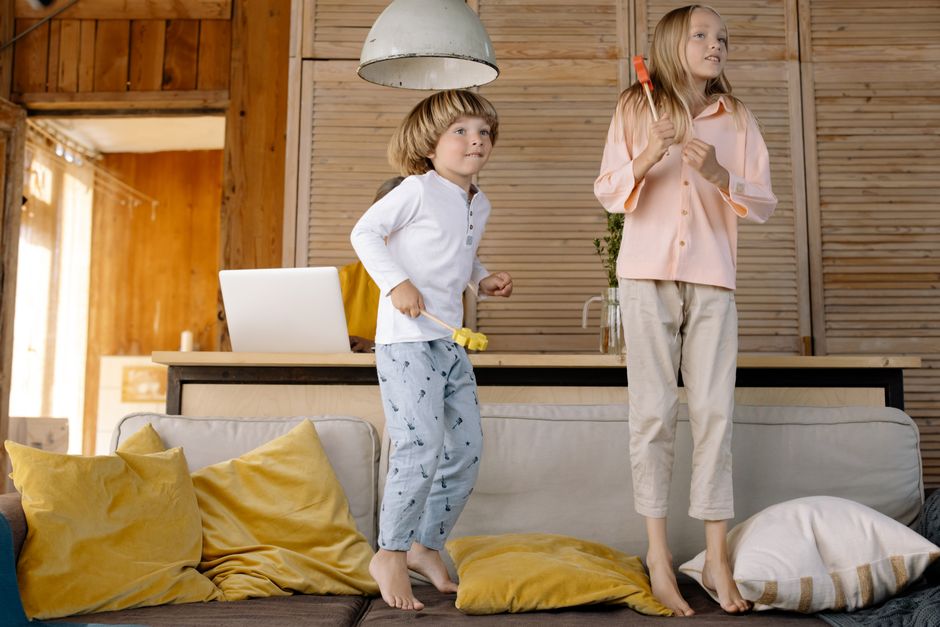
Before delving into the specifics of a kids furniture store, it’s essential to understand the target market. Parents are typically the primary customers, but children also play a significant role in the decision-making process. Research indicates that children aged 3-12 have a considerable influence on furniture choices, often swaying their parents’ preferences. Therefore, creating a space that appeals to both children and parents is vital.
Market research has shown that the global market for children’s furniture is expected to grow significantly in the coming years, driven by increasing disposable income and a rising number of households with children. This growth presents an excellent opportunity for entrepreneurs looking to establish a kids furniture store.
Understanding the preferences of both parents and children can guide store owners in selecting the right products and marketing strategies. For instance, parents often prioritize safety and durability, while children may be attracted to playful designs and vibrant colors.
Designing an Inviting Store Layout
The layout of a kids furniture store should be designed with both parents and children in mind. A welcoming atmosphere can enhance the shopping experience and encourage customers to spend more time in the store. Open spaces with clearly defined sections can help guide customers through the showroom.
Utilizing bright colors and engaging displays can capture the attention of children, making the store feel fun and inviting. Additionally, providing interactive elements, such as play areas or product demonstrations, can keep children entertained while parents shop.
Effective signage is also essential in guiding customers through the store. Clear labels and fun graphics can help children and parents easily locate specific sections such as beds, desks, and storage solutions.
Product Selection and Quality
One of the most critical aspects of running a kids furniture store is the selection of products. Store owners should focus on offering a diverse range of items that cater to various styles and budgets. From trendy and modern designs to classic and timeless pieces, having an extensive inventory can attract a broader customer base.
Quality is paramount when it comes to children’s furniture. Parents are often willing to invest in durable and safe products, so it is essential to source items that meet safety standards and are built to last. Offering eco-friendly options can also be a selling point, as many parents are becoming increasingly conscious of the environmental impact of their purchases.
Additionally, showcasing items that can grow with the child, such as convertible cribs or adjustable desks, can appeal to parents looking for long-term value.
Building Customer Relationships
Customer service is a vital component of any successful retail business, and kids furniture stores are no exception. Building strong relationships with customers can lead to repeat business and positive word-of-mouth referrals. Store staff should be trained to provide knowledgeable and friendly service, helping parents find the perfect pieces for their children.
Offering personalized shopping experiences, such as consultations or design services, can set a kids furniture store apart from competitors. Additionally, implementing loyalty programs or special discounts for repeat customers can encourage continued patronage.
Engaging with customers through social media and email newsletters can also keep them informed about new products, promotions, and events. Creating a community around the store can foster loyalty and encourage customers to share their experiences with others.
Marketing Strategies for Success
Effective marketing is essential for attracting customers to a kids furniture store. Utilizing digital marketing strategies, such as search engine optimization (SEO) and social media advertising, can help reach a broader audience. Highlighting unique selling points, such as eco-friendly materials or customizable furniture, can differentiate the store from competitors.
Content marketing, such as blogs or videos on topics related to kids’ room design or furniture safety, can also draw potential customers to the store. Collaborating with local parenting bloggers or influencers can further enhance visibility and credibility.
Hosting in-store events, such as workshops on children’s room decor or family-friendly activities, can create buzz and draw customers into the store. These events not only provide value to customers but also foster a sense of community around the brand.
Conclusion
In conclusion, running a successful kids furniture store requires a deep understanding of the target market, an inviting store layout, quality product selection, excellent customer service, and strategic marketing. By focusing on these elements, store owners can create a space that not only meets the needs of parents and children but also fosters lasting relationships and encourages repeat business. As the demand for children’s furniture continues to grow, the potential for success in this niche market is vast. For those looking to explore the world of children’s furniture, a visit to a well-curated kids furniture store can provide invaluable inspiration and insights.