
Tax audits can be daunting experiences for both individuals and businesses. The thought of having to provide detailed financial documentation and facing scrutiny from the IRS can cause stress and anxiety. However, understanding the process of tax audit representation can alleviate some of this pressure. This article aims to outline what tax audit representation entails, the benefits of having a representative, and how to choose the right professional for your needs.
Understanding Tax Audit Representation
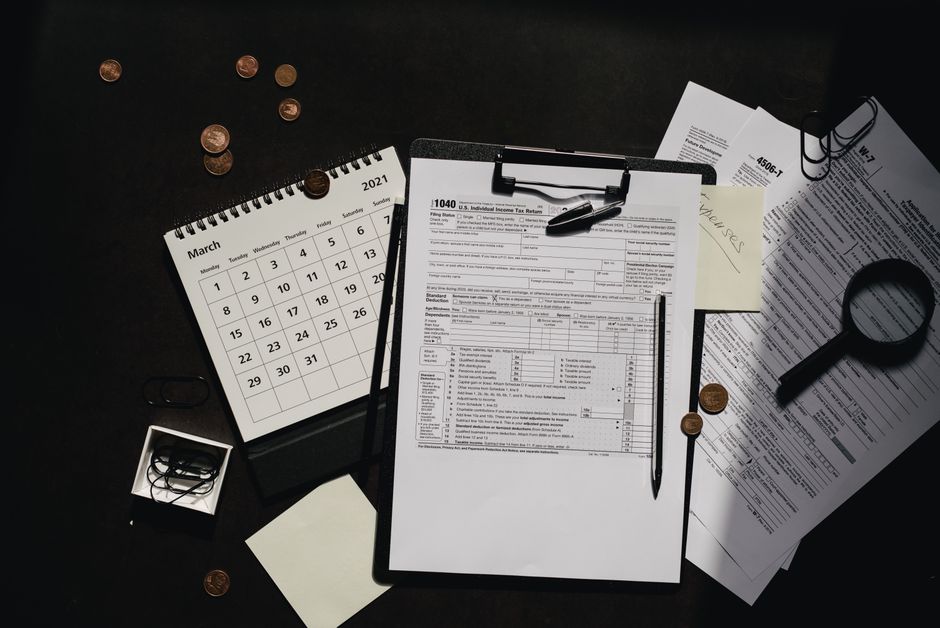
Tax audit representation refers to the practice of having a qualified individual, such as a certified public accountant (CPA) or tax attorney, act on your behalf during an audit. This representation can include communicating with the IRS, preparing necessary documentation, and attending meetings. The primary goal is to ensure that the taxpayer’s rights are protected and that the process runs as smoothly as possible.
During an audit, the IRS examines your tax returns to verify that the income, deductions, and credits claimed are accurate. This process can sometimes lead to disputes regarding the interpretation of tax laws. A representative skilled in tax audit representation can help navigate these complexities, providing clarity and ensuring compliance.
Benefits of Having a Tax Representative
One of the main advantages of having a tax representative is the expertise they bring to the table. Tax laws are intricate and constantly changing, making it challenging for individuals to stay informed. A professional representative is not only knowledgeable about current tax regulations but also has experience in handling audits.
Another benefit is the emotional relief that comes from having someone else manage the audit process. This can significantly reduce the stress associated with audits, allowing taxpayers to focus on their personal or business matters. Additionally, a representative can negotiate on your behalf, potentially leading to more favorable outcomes, such as reduced penalties or a lower amount owed.
Choosing the Right Tax Professional
When selecting a tax professional for audit representation, it is crucial to consider their qualifications and experience. Look for someone with a strong background in tax law and a proven track record of handling audits successfully. Certifications such as CPA or Enrolled Agent (EA) can indicate a level of expertise and professionalism.
Furthermore, it’s important to assess their communication skills and willingness to explain complex tax issues in a way that is understandable. A good representative should be able to clearly outline your options and the potential outcomes of the audit.
Preparing for an Audit
Preparation is key when facing a tax audit. Taxpayers should gather all relevant documentation, including income statements, receipts, and prior tax returns. A well-organized file can make a significant difference in how efficiently the audit progresses.
Your representative can assist in preparing these documents and ensuring that everything is in order before the audit begins. They can also help identify any potential red flags that might attract IRS scrutiny, allowing you to address these issues proactively.
Conclusion
Tax audit representation can be an invaluable resource for individuals and businesses facing the complexities of an IRS audit. By understanding the benefits of having a representative, choosing the right professional, and preparing adequately for the audit process, taxpayers can navigate this challenging experience with greater confidence and ease. In a world where tax laws are constantly evolving, having expert guidance can make all the difference.