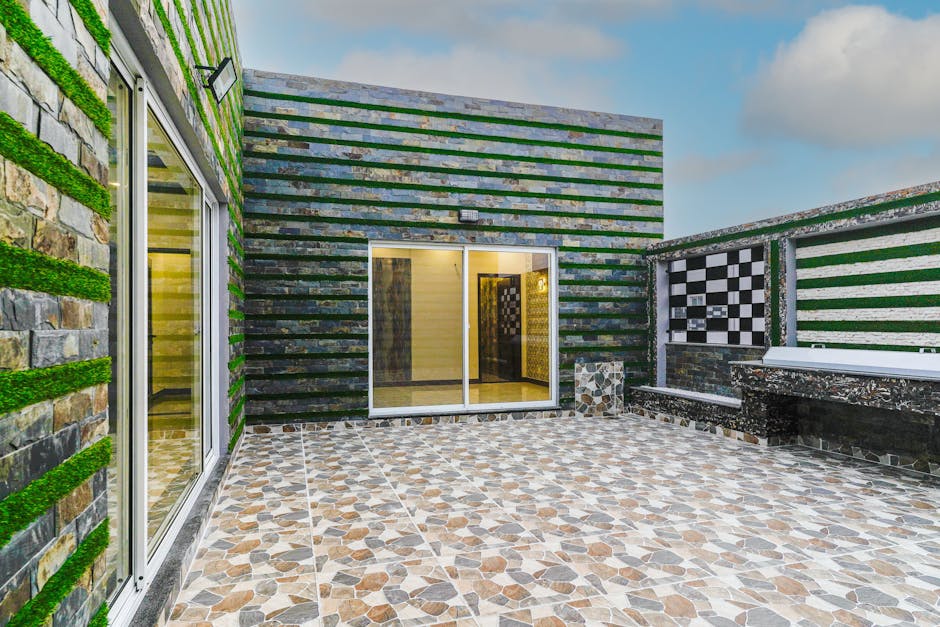
In an increasingly visual world, the importance of high-quality 3D rendering services cannot be overstated. Businesses across various industries, from real estate to product design, are leveraging the power of 3D rendering to enhance their presentations, marketing efforts, and client communications. This article explores the myriad benefits of 3D rendering services, the technologies involved, and how they can transform your projects.
Understanding 3D Rendering

3D rendering is the process of creating a two-dimensional image or animation from a three-dimensional model by means of computer software. This technology has evolved significantly over the years, enabling designers and architects to visualize their concepts in stunning detail. The rendering process involves several stages, including modeling, texturing, lighting, and rendering.
Each of these stages plays a crucial role in the final output. For instance, modeling involves creating the geometric shape of the 3D object. Texturing adds surface detail, while lighting affects the ambiance and realism of the scene. Finally, rendering combines all these elements into a single image or animation. The result is a visually striking representation of the original concept, which can be utilized for various purposes.
Benefits of 3D Rendering Services
One of the primary advantages of using 3D rendering services is the ability to visualize ideas before they are brought to life. This is particularly beneficial in industries like architecture and product design, where clients often struggle to understand complex designs through traditional 2D drawings. By providing a realistic view of the final product, businesses can communicate ideas more effectively, leading to fewer misunderstandings and revisions.
Moreover, 3D rendering can significantly enhance marketing efforts. Real estate agents, for instance, can use photorealistic renderings of properties to attract potential buyers. Studies have shown that listings with high-quality images receive 90% more views than those without. This not only increases interest but can also lead to quicker sales.
Applications in Various Industries
3D rendering services have a wide range of applications across different sectors. In the architectural field, these services help architects present their designs to clients, stakeholders, and regulatory bodies. By using 3D renderings, they can showcase the spatial relationships and aesthetics of the project, facilitating more informed decision-making.
In the product design arena, companies can create realistic prototypes of their products without the need for physical models. This not only saves time and costs but also allows for rapid iterations based on feedback. For example, a furniture designer can visualize a new chair design in various materials and colors, adjusting elements easily before finalizing the product.
Choosing the Right 3D Rendering Service
When selecting a 3D rendering service, it is essential to consider several factors. Firstly, assess the quality of their past work. A reputable service provider should have a portfolio showcasing their expertise in creating realistic and detailed renderings.
Additionally, consider their turnaround time and how well they communicate with clients. The ability to collaborate effectively can significantly impact the success of your project. Look for a service that offers flexibility and is willing to adapt to your specific needs.
Finally, budget is a critical consideration. While it’s tempting to choose the cheapest option, remember that quality often comes at a price. Investing in high-quality 3D rendering services can yield substantial returns by enhancing your project’s appeal and effectiveness.
The Future of 3D Rendering
The future of 3D rendering is promising, with advancements in technology paving the way for even more realistic and immersive experiences. Technologies such as virtual reality (VR) and augmented reality (AR) are beginning to integrate with 3D rendering, allowing clients to interact with their designs in real-time. This enhanced interactivity can provide deeper insights and foster more engaging presentations.
Moreover, the rise of artificial intelligence (AI) is set to streamline the rendering process, making it faster and more efficient. AI can assist in automating aspects of the rendering process, such as lighting adjustments and material selections, enabling artists to focus more on creativity and less on technicalities.
Conclusion
In conclusion, 3D rendering services are an invaluable asset for businesses looking to elevate their projects. From enhancing communication and marketing efforts to streamlining design processes, the benefits are extensive. As technology continues to evolve, the possibilities for 3D rendering will only expand, making it essential for professionals in various fields to stay ahead of the curve. By embracing these services, you can ensure that your projects stand out in a competitive marketplace. For those interested in exploring these innovative solutions, consider investing in a reliable 3D rendering service that aligns with your goals.