In today’s fast-paced world, having a tranquil outdoor space is invaluable. A terrace can serve as a personal oasis, offering a place for relaxation, entertainment, and enjoying nature. Whether you have a small balcony or a sprawling rooftop, designing your terrace can significantly enhance your lifestyle. This article explores various aspects of creating the ideal terrace, from design ideas to practical considerations.
Understanding the Basics of Terrace Design
Before diving into specific design elements, it’s essential to understand the fundamental aspects of terrace design. The first step is to assess the available space. Consider the size, shape, and orientation of your terrace. These factors will influence your design choices, including furniture layout and plant selection.
Next, think about the purpose of your terrace. Will it be a quiet retreat for reading, a social space for gatherings, or a garden for growing plants? Defining the primary function will guide your decisions regarding decor, seating arrangements, and even lighting options.
Finally, consider the environment. The climate in your region will affect your choice of materials and plants. For example, if you live in a rainy area, you might want to incorporate elements like a canopy or an awning, such as Terrassenüberdachungen, to protect your space from the elements.
Choosing the Right Materials
When designing your terrace, the choice of materials is crucial. Different materials can create vastly different atmospheres. Wood is a popular choice for its natural beauty and warmth. However, it requires regular maintenance to prevent weathering and decay.
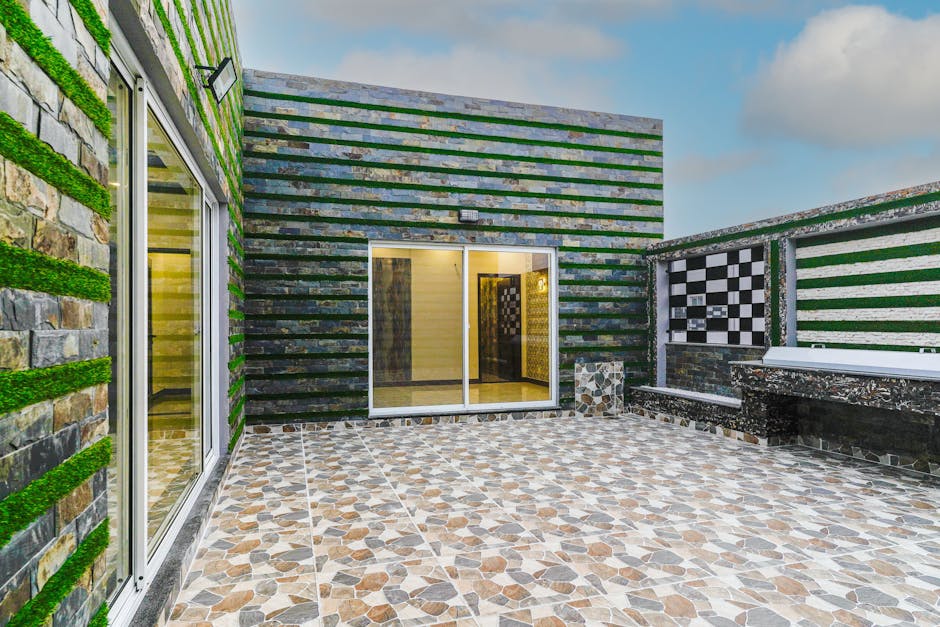
On the other hand, composite decking materials offer durability without the maintenance headaches of wood. They can mimic the appearance of natural wood while being resistant to fading, staining, and scratching. Stone or tile can also add a sophisticated touch but may require more planning for installation and drainage considerations.
Incorporating greenery is another vital aspect of terrace design. Consider using planters made from sustainable materials, and think about how the plants will interact with the terrace’s overall design. Vertical gardens are an excellent way to maximize space while adding lush beauty.
Creating Functional Spaces
Once you’ve determined the materials, it’s time to think about functionality. One effective way to create distinct areas on your terrace is through zoning. For example, designate one area for dining, another for lounging, and perhaps a small nook for gardening.
Outdoor furniture plays a significant role in this zoning. Choose weather-resistant materials and comfortable seating options. A dining table with chairs can transform your terrace into an al fresco dining experience, while lounge chairs or a hammock can create a relaxing retreat.
Lighting is another critical consideration. Incorporate a mix of ambient, task, and accent lighting to enhance the usability of your terrace during the evening hours. String lights, lanterns, or built-in LED lighting can create a warm and inviting atmosphere.
Incorporating Personal Touches
Your terrace should reflect your personal style. Incorporate decorative elements that resonate with you, such as artwork, sculptures, or unique planters. Textiles like cushions and throws can add color and comfort, making your terrace feel more like an extension of your home.
Additionally, consider incorporating features like a fire pit or outdoor heater for cooler evenings. These elements not only extend the usability of your terrace but also add a cozy ambiance.
Don’t forget about seasonal changes. Your terrace can evolve throughout the year. Consider using seasonal decorations or rotating plants to keep the space fresh and inviting.
Maintenance Tips for Your Terrace
Finally, maintaining your terrace is essential for ensuring it remains a beautiful and functional space. Regular cleaning is necessary, especially for outdoor furniture and flooring. Depending on the materials you choose, you may need to apply sealants or protective coatings periodically.
Plant maintenance is also crucial. Regular watering, pruning, and fertilization will keep your plants healthy and vibrant. Additionally, consider seasonal planting to ensure continuous blooms and greenery throughout the year.
Lastly, inspect your terrace for any signs of wear and tear, especially after severe weather conditions. Addressing minor issues promptly can prevent costly repairs in the long run.
Conclusion
Designing the perfect terrace involves careful planning, a clear understanding of your needs, and a personal touch. By considering the materials, functionality, and maintenance of your terrace, you can create a space that enhances your lifestyle and brings joy for years to come. Whether you opt for a simple balcony garden or an elaborate rooftop retreat, the possibilities are endless. Embrace your creativity and turn your terrace into a cherished outdoor haven.