
In today’s world, children’s furniture is not just about functionality; it’s about creating an environment that fosters creativity, comfort, and growth. When parents are shopping for their little ones, they seek more than just a piece of furniture; they want a space that reflects their child’s personality and needs. This article delves into what makes a kids furniture store stand out and how to curate an engaging shopping experience for both children and parents.
Understanding the Needs of Children
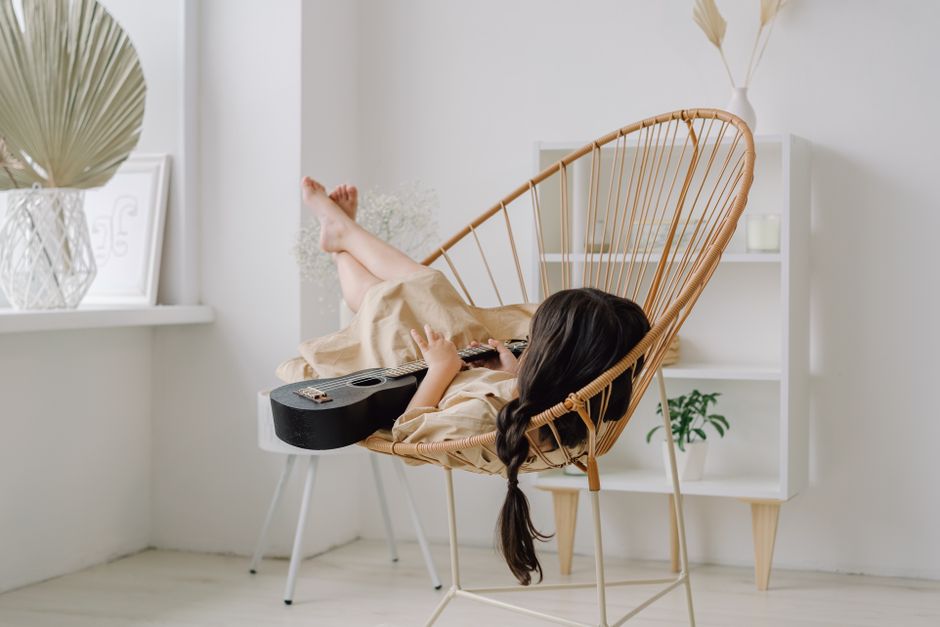
Children’s furniture serves a unique purpose that differs significantly from standard adult furniture. It must be safe, durable, and adaptable to the ever-changing needs of growing kids. For instance, a toddler’s bed should not only be low to the ground for safety but also designed to grow with the child. Many parents now look for convertible furniture options that can transition from a crib to a bed, saving both space and money in the long run.
Moreover, the aesthetics of children’s furniture play a crucial role. Bright colors, fun shapes, and themed designs can engage children and make their spaces inviting. Research shows that environments rich in color and playful designs can enhance a child’s mood and cognitive development. Therefore, a well-curated kids furniture store should feature a variety of styles to suit different tastes and preferences.
Additionally, it is essential to consider the ergonomics of children’s furniture. Pieces should be designed to support good posture and comfort, encouraging healthy habits from an early age. Investing in quality items that promote well-being will benefit children as they grow.
Creating an Inviting Store Atmosphere
The physical layout of a kids furniture store is vital in creating an enjoyable shopping experience. A welcoming atmosphere can make a significant difference in how customers perceive the store. Consider incorporating play areas where children can test out furniture pieces or engage with toys. This not only keeps kids entertained but also allows parents to see how items function in a real-life setting.
Moreover, the use of engaging displays can capture the attention of both children and parents. For example, creating themed sections—like a “fairy tale bedroom” or a “space explorer’s zone”—can spark imagination and inspire purchases. According to retail experts, atmospheric factors such as lighting, music, and even scent can influence shopping behavior, making it essential to create a holistic sensory experience.
Interactive elements like augmented reality setups can also enhance the shopping experience. Imagine allowing kids to visualize how a piece of furniture would look in their room through an app. This innovative approach could set a kids furniture store apart from competitors and attract tech-savvy families.
Online Shopping and E-Commerce Strategies
In the digital age, the importance of a strong online presence cannot be overstated. A kids furniture store must have a well-designed website that is easy to navigate, visually appealing, and mobile-friendly. This is crucial as many parents prefer shopping online for convenience and safety, especially in light of recent global events.
Additionally, offering virtual consultations can enhance the shopping experience for parents. They can receive personalized advice on furniture selection based on their child’s age, interests, and room size. A kids furniture store that provides such services not only showcases its expertise but also builds trust with customers.
Moreover, leveraging social media is essential for engaging with potential customers. Platforms like Instagram and Pinterest are great for showcasing colorful, playful designs that appeal to both kids and parents. User-generated content, such as photos of happy children using the furniture, can serve as powerful testimonials and encourage others to make a purchase.
Promoting Sustainability in Kids Furniture
Today’s consumers are increasingly conscious of sustainability. Parents are looking for eco-friendly options that are safe for their children and the environment. A kids furniture store can tap into this trend by offering products made from sustainable materials, such as reclaimed wood or non-toxic finishes.
Moreover, transparent sourcing practices can also appeal to environmentally conscious buyers. Sharing information about the manufacturing process can build credibility and trust. Brands that promote sustainability often see increased customer loyalty and positive brand perception.
Finally, consider incorporating a recycling program where customers can return old furniture in exchange for discounts on new purchases. This not only encourages sustainable practices but also fosters a sense of community and responsibility among customers.
Conclusion
Creating a successful kids furniture store involves understanding the unique needs of children and their families, crafting an inviting shopping atmosphere, embracing e-commerce strategies, and promoting sustainability. By focusing on these key areas, a kids furniture store can enhance the shopping experience, engage customers, and ultimately drive sales. For those interested in exploring various styles and options, a visit to an online kids furniture store can provide both inspiration and practical solutions for creating a delightful space for children.