
Chemical peel treatments have become increasingly popular in the realm of skincare, promising to rejuvenate the skin and address various concerns such as acne, hyperpigmentation, and signs of aging. These treatments involve the application of a chemical solution to the skin, which causes it to exfoliate and eventually peel off, revealing fresher, more youthful skin underneath. In this article, we will delve into the different types of chemical peels, their benefits, potential side effects, and what to expect during and after the treatment.
Understanding Chemical Peels
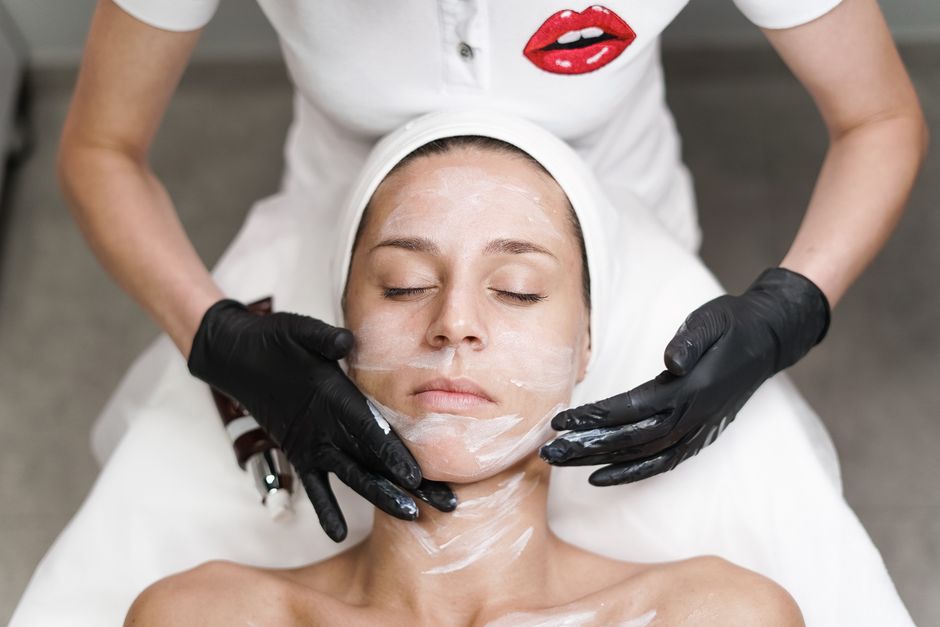
Chemical peels are categorized into three main types: superficial, medium, and deep peels. Superficial peels target the outer layer of skin, making them ideal for addressing minor skin issues such as dry skin and uneven texture. Medium peels penetrate deeper, making them effective for treating wrinkles and moderate sun damage. Deep peels, on the other hand, reach the lower layers of the skin and are often used to treat more severe skin conditions, including deep wrinkles and significant sun damage.
Each type of peel uses different chemical solutions, such as alpha hydroxy acids (AHAs), beta hydroxy acids (BHAs), and trichloroacetic acid (TCA). The choice of peel depends on the individual’s skin type, concerns, and desired outcomes. Consulting with a licensed skincare professional is crucial to determine the most suitable option.
The Benefits of Chemical Peels
Chemical peels can provide numerous benefits for the skin. One of the most significant advantages is their ability to improve skin texture and tone. After a chemical peel, many individuals notice a smoother, more radiant complexion. Additionally, these treatments can help reduce the appearance of fine lines and wrinkles, making them a popular choice for those seeking anti-aging solutions.
Moreover, chemical peels can effectively treat acne and acne scars. By exfoliating the skin and unclogging pores, they can prevent future breakouts and minimize the appearance of existing scars. Many patients report significant improvements in their skin’s clarity and overall health following a series of chemical peel treatments.
What to Expect During the Treatment
Before undergoing a chemical peel, it is essential to have a thorough consultation with a qualified professional. During this consultation, the practitioner will assess your skin type and concerns, discuss your medical history, and explain the procedure in detail. Depending on the type of peel chosen, the treatment can take anywhere from 30 minutes to a few hours.
During the procedure, the chemical solution will be applied to the skin. Patients may experience varying sensations, from mild tingling to a more intense burning feeling, depending on the strength of the peel. After the solution is applied, it will be left on for a specified time before being neutralized or washed off.
Post-Treatment Care and Recovery
After a chemical peel, proper post-treatment care is crucial to ensure optimal results and minimize side effects. Patients can expect some redness and peeling in the days following the treatment, which is a normal part of the healing process. It is essential to avoid sun exposure and use a gentle skincare routine during this time.
Hydration is key; using a soothing moisturizer and sunscreen is highly recommended to protect the newly exposed skin. Depending on the type of peel, recovery time may vary. Superficial peels typically require minimal downtime, while medium and deep peels may necessitate more extended periods of recovery.
To maintain the results of a chemical peel, it may be beneficial to schedule follow-up treatments periodically. Regular sessions can help sustain skin health and address any new concerns that arise.
Potential Side Effects and Considerations
While chemical peels can offer significant benefits, it is essential to be aware of potential side effects. Common side effects include redness, swelling, and peeling, which usually subside within a few days. However, more severe reactions, such as scarring or changes in skin pigmentation, can occur, especially with deeper peels.
Individuals with specific skin conditions or sensitivities should discuss their concerns with a qualified professional before undergoing treatment. It is also advisable to avoid chemical peels if you are pregnant or nursing, as certain chemicals may not be safe during these times.
Conclusion
Chemical peel treatments can be an effective solution for individuals seeking to enhance their skin’s appearance and address various concerns. By understanding the different types of peels, their benefits, and the necessary aftercare, you can make informed decisions about your skincare journey. If you’re considering a chemical peel treatment, consult with a qualified professional to ensure the best results tailored to your unique skin type and needs.