
In recent years, the landscape of manufacturing has dramatically transformed, thanks to the advent of 3D printing technology. This innovative process allows for the creation of three-dimensional objects from a digital file, fundamentally changing how products are designed, developed, and produced. From prototyping to final production, 3D printing services are becoming increasingly essential in various industries, offering unmatched advantages such as customization, efficiency, and cost-effectiveness.
The Evolution of 3D Printing Technology
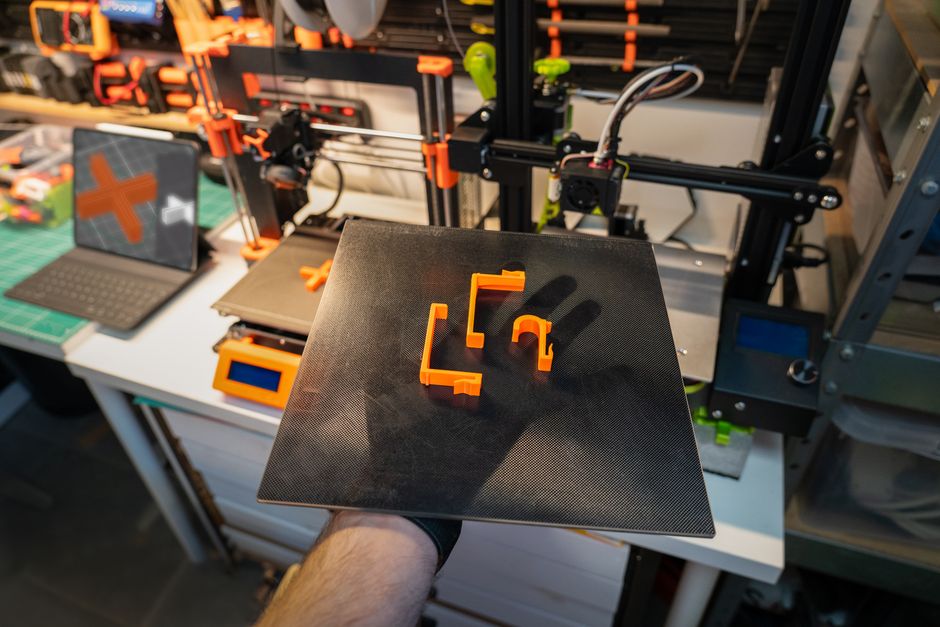
The journey of 3D printing began in the 1980s, but it wasn’t until the early 2000s that the technology started gaining traction in commercial applications. Initially used primarily for rapid prototyping, 3D printing has evolved to encompass a wide range of materials and applications. Today, industries such as aerospace, automotive, healthcare, and consumer goods are leveraging this technology to enhance their product offerings.
According to a report by Wohlers Associates, the global 3D printing market was valued at approximately $12.6 billion in 2020 and is expected to reach $34.8 billion by 2026. This growth is fueled by the increasing demand for customized products and the need for faster production times, making 3D printing services a vital component of modern manufacturing strategies.
The Benefits of 3D Printing Services
One of the primary advantages of utilizing 3D printing services is the ability to create highly customized products. Unlike traditional manufacturing methods, which often require extensive tooling and setup, 3D printing allows for easy modifications to designs without significant additional costs. This flexibility enables businesses to cater to unique customer needs and preferences quickly.
Moreover, 3D printing significantly reduces lead times. Traditional manufacturing can take weeks or even months to bring a product from concept to market. In contrast, 3D printing can streamline this process to a matter of days. For instance, a company that requires a prototype for a new product can have it printed and ready for testing within a few days, enabling faster iterations and improvements.
Applications of 3D Printing Services Across Industries
3D printing services are not limited to a single industry; they are transforming multiple sectors. In healthcare, for example, 3D printing is used to create customized prosthetics and dental implants tailored to the individual needs of patients. This personalization can lead to better outcomes and improved patient satisfaction.
In the automotive industry, manufacturers are utilizing 3D printing for producing lightweight components that enhance fuel efficiency and performance. For instance, companies like BMW and Ford have integrated 3D printing into their production lines to develop complex parts that would be challenging to produce using traditional methods.
Challenges and Considerations in 3D Printing
Despite its numerous advantages, the adoption of 3D printing services is not without challenges. One significant concern is the regulatory landscape. As the technology continues to advance, regulatory bodies are working to establish guidelines that ensure safety and quality in 3D printed products, especially in critical fields like healthcare and aerospace.
Furthermore, the initial investment in 3D printing technology can be substantial. Companies must weigh the costs of equipment, materials, and training against the potential benefits. However, many businesses find that the long-term savings and increased efficiency often justify the upfront expenditure.
Future Trends in 3D Printing Services
Looking ahead, the future of 3D printing services appears bright. With advancements in materials science, the range of printable materials is expanding, including metals, ceramics, and even biocompatible materials for healthcare applications. Additionally, the integration of artificial intelligence and machine learning is expected to enhance the design and production processes, creating even more efficient workflows.
Another trend is the rise of on-demand 3D printing services. As businesses seek to reduce waste and inventory costs, the ability to produce items as needed is becoming more appealing. This shift toward on-demand production aligns with the principles of sustainability, allowing companies to minimize their environmental impact.
In conclusion, the rise of 3D printing services marks a significant shift in manufacturing practices across various industries. By leveraging this technology, businesses can enhance customization, reduce lead times, and improve overall efficiency. As the industry continues to evolve, the potential applications and benefits of 3D printing are bound to expand, paving the way for a more innovative and sustainable future.