
In today’s data-driven world, businesses are increasingly recognizing the importance of data analytics software. This technology not only helps organizations to process vast amounts of data but also enables them to derive actionable insights that can lead to better decision-making. As companies strive to remain competitive, understanding how to leverage data analytics tools becomes essential for success.
What is Data Analytics Software?
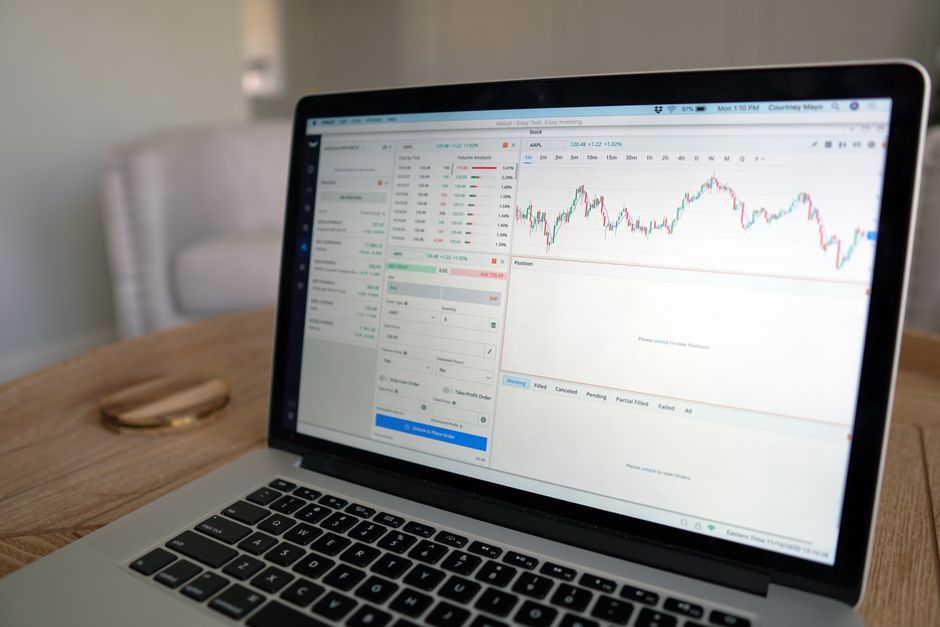
Data analytics software encompasses a variety of tools and technologies that assist in analyzing raw data to uncover patterns and insights. These tools range from simple spreadsheets to complex data visualization platforms. The primary purpose of data analytics software is to turn data into information that can drive business strategies and operational efficiencies.
For instance, many businesses utilize data analytics software to track customer behavior and preferences. By analyzing these behaviors, companies can tailor their marketing strategies, improve customer service, and ultimately increase sales. According to a report by McKinsey, companies that invest in data analytics are 23 times more likely to acquire customers, 6 times more likely to retain customers, and 19 times more likely to be profitable.
Types of Data Analytics Software
There are several types of data analytics software available, each serving different purposes:
- Descriptive Analytics: This type focuses on summarizing past data to understand what has happened. It often includes data visualization tools that help in interpreting data trends.
- Predictive Analytics: This software uses statistical algorithms and machine learning techniques to identify the likelihood of future outcomes based on historical data.
- Prescriptive Analytics: This advanced type of analytics suggests actions to benefit from the predictions made by predictive analytics.
- Real-time Analytics: This software processes data as it comes in, allowing businesses to make immediate decisions based on current trends.
Each type of software serves unique business needs, and choosing the right one depends on the specific goals of the organization.
Benefits of Using Data Analytics Software
The benefits of implementing data analytics software in a business are manifold:
- Enhanced Decision-Making: Data analytics software provides insights that help businesses make informed decisions. With accurate data at their fingertips, managers can strategize effectively.
- Cost Reduction: By analyzing operational data, companies can identify inefficiencies and areas where costs can be cut without sacrificing quality.
- Improved Customer Experience: Understanding customer preferences through data analytics allows businesses to enhance their service offerings, leading to higher customer satisfaction and loyalty.
- Competitive Advantage: Companies that harness the power of data analytics are better positioned to anticipate market trends and consumer needs, giving them an edge over competitors.
For example, Netflix uses data analytics to recommend shows and movies to its users based on their viewing history, which has significantly increased user engagement and retention.
Challenges in Implementing Data Analytics Software
Despite the clear benefits, there are challenges that organizations may face when implementing data analytics software:
- Data Quality: The effectiveness of data analytics relies heavily on the quality of the data being analyzed. Poor data quality can lead to incorrect insights.
- Data Privacy Concerns: With increasing regulations on data privacy, businesses must ensure they are compliant while leveraging data analytics.
- Skill Gaps: There is often a shortage of skilled professionals who can interpret data analytics results and implement them in business strategies.
Addressing these challenges is crucial for organizations looking to fully benefit from data analytics software.
Future Trends in Data Analytics Software
The future of data analytics software is promising, with several trends expected to shape the landscape:
- Increased Use of AI and Machine Learning: AI will continue to enhance data analytics capabilities, enabling more accurate predictions and insights.
- Self-Service Analytics: Tools that allow non-technical users to analyze data without needing extensive IT support will become more prevalent.
- Integration with IoT: As the Internet of Things (IoT) expands, integrating data analytics with IoT devices will provide real-time insights from connected environments.
As these trends evolve, businesses that adopt and adapt to these technologies will likely see substantial improvements in their performance.
Conclusion
Data analytics software is not merely a luxury but a necessity for businesses that aim to thrive in the modern economy. By understanding what data analytics software is, the types available, its benefits, the challenges involved, and the future trends, organizations can make informed decisions about their data strategies. Embracing this technology can lead to improved operational efficiency, enhanced customer experiences, and ultimately, greater profitability. For those looking to explore robust solutions, consider looking into data analytics software that meets your specific needs and objectives.