
The Glock pistol, known for its reliability and simplicity, has become a favorite among firearm enthusiasts and professionals alike. One of the most crucial components of a Glock is its slide. The Glock slide not only houses the barrel and recoil spring but also plays a significant role in the pistol’s overall performance. In this article, we will delve into the intricate details of Glock slides, their construction, and how they affect the functionality of the firearm.
The Anatomy of a Glock Slide
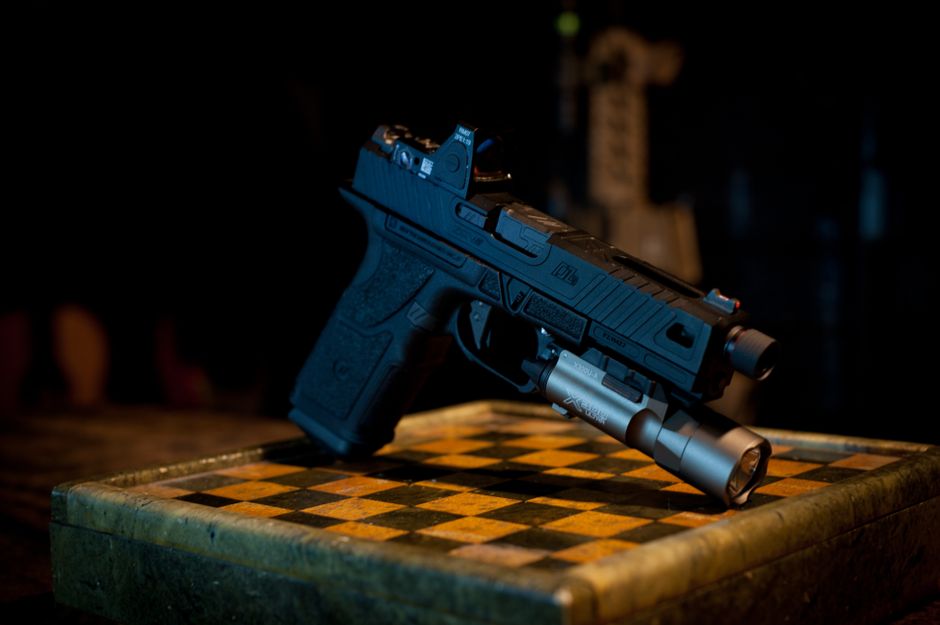
The Glock slide is primarily made of a high-strength polymer and steel, designed to withstand the pressures generated during firing. The slide consists of several key components, including the ejection port, sight grooves, and various cut-outs that facilitate the operation of the firearm. Understanding these components helps users appreciate the engineering that goes into producing a reliable handgun.
One of the most important aspects of the slide is its weight. A lighter slide can result in quicker follow-up shots but may also increase the likelihood of malfunctions. Conversely, a heavier slide can improve recoil management but may slow down the shooter’s speed. Thus, the design and weight of the Glock slide must strike a balance to provide optimal performance.
The Importance of Slide Design
Glock slides come in various designs tailored to different models, such as the Glock 17, Glock 19, and Glock 26. Each slide is engineered to fit its specific frame while ensuring that the firearm operates smoothly under various conditions. For instance, the slide on the Glock 17 is longer than that of the Glock 19, which affects not only the accuracy but also the handling characteristics of the gun.
Moreover, manufacturers have started to offer customized slides that provide additional features, such as enhanced serrations for better grip and improved aesthetics. These enhanced features can make a significant difference during rapid shooting scenarios, where maintaining control over the handgun is critical.
Aftermarket Glock Slides
The popularity of Glock pistols has led to a thriving aftermarket for Glock accessories, including slides. Aftermarket slides can offer various benefits, such as improved weight distribution, unique designs, and enhanced functionality. For example, many enthusiasts opt for glock 17 slides that are designed to improve performance during competitive shooting.
However, it is essential for users to ensure that any aftermarket components are compatible with their firearm. Poorly manufactured slides can lead to malfunctions or even catastrophic failures, which can pose significant safety risks. Thus, thorough research and quality checks are imperative when considering aftermarket options.
Maintaining Your Glock Slide
Proper maintenance of the Glock slide is crucial to ensure its longevity and reliability. Regular cleaning and lubrication can prevent dirt and debris from causing malfunctions. It is advisable to disassemble the slide periodically to clean hard-to-reach areas, particularly around the firing pin and extractor.
Additionally, inspecting the slide for wear and tear is vital. Any signs of cracks or unusual wear patterns should be addressed immediately, as they could compromise the firearm’s safety. By maintaining the slide properly, users can enhance their Glock’s performance and ensure it functions reliably in high-stress situations.
Conclusion
In conclusion, the Glock slide is a fundamental component that significantly impacts the performance and reliability of the firearm. Understanding its design, features, and maintenance can help users maximize their shooting experience. Whether you are a casual shooter or a competitive marksman, knowing how to care for and enhance your Glock slide can lead to improved accuracy and functionality. Investing in quality slides and maintaining them well is crucial for anyone looking to get the most out of their Glock pistol.