
The way we consume television has evolved dramatically over the past few decades. Among the most significant innovations in this realm is Internet Protocol Television, commonly known as IPTV. As traditional broadcasting methods give way to internet-based streaming, it’s essential to understand what IPTV is, how it works, and its advantages over conventional television services.
What is IPTV?
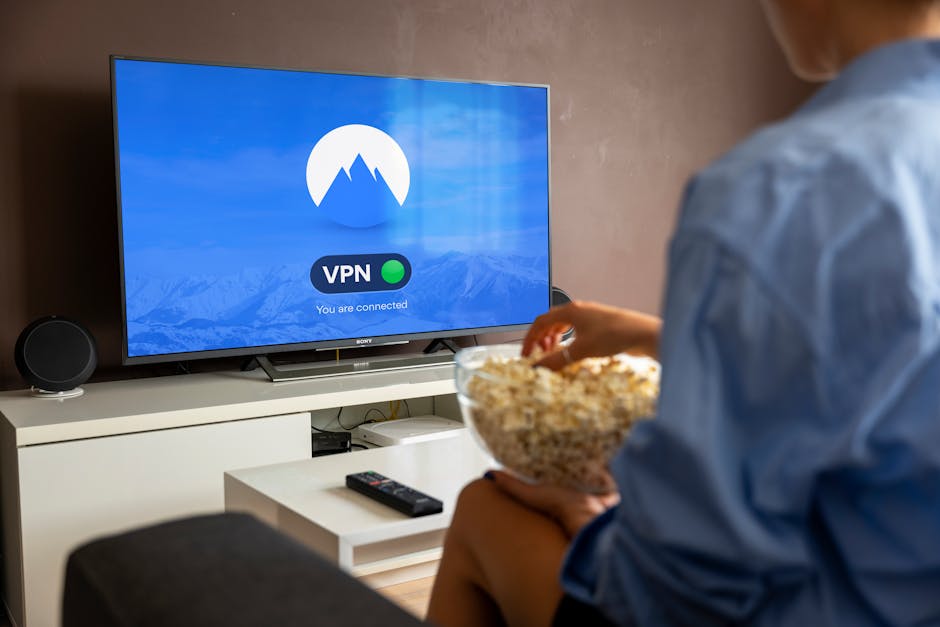
IPTV stands for Internet Protocol Television, a system that delivers television programming through the internet instead of traditional satellite or cable formats. Unlike conventional TV, which transmits signals through analog or digital broadcast methods, IPTV uses a broadband internet connection to stream content. This allows viewers to watch their favorite shows and movies on various devices, including smart TVs, tablets, and smartphones.
With IPTV, content is delivered in a more flexible manner, catering to the on-demand culture of today. Users can select what they want to watch and when they want to watch it, offering a stark contrast to the rigid schedules of traditional broadcasting.
How Does IPTV Work?
The functioning of IPTV revolves around the use of internet protocols to transmit data. When a viewer selects a program, the IPTV service provider sends a series of data packets over the internet to the viewer’s device. These packets contain the video and audio data that are decoded and played in real-time.
IPTV operates using three primary types of services: Video on Demand (VOD), time-shifted television, and live television. VOD allows users to watch content whenever they choose, while time-shifted television lets viewers watch previously aired shows. Live television, on the other hand, streams content in real-time, similar to traditional broadcasting.
Advantages of IPTV
One of the most significant benefits of IPTV is its flexibility. Users can access a vast array of content without being tied to a specific time or place. This flexibility is especially appealing to younger generations who prefer watching shows on their schedules.
Additionally, IPTV often comes with a range of interactive features, such as pause, rewind, and record functionalities. This interactivity enhances the viewing experience, allowing users to engage more deeply with the content.
Cost-effectiveness is another advantage. Many IPTV services offer subscription models that can be more affordable than traditional cable packages. For instance, users can opt for an iptv subscription that caters to their viewing preferences without the burden of long-term contracts.
Challenges and Considerations
Despite its many benefits, IPTV is not without challenges. One primary concern is the reliance on a stable internet connection. Users with slow or unreliable internet may experience buffering or poor-quality streams, which can detract from the viewing experience.
Additionally, the legality of some IPTV services can be questionable. It’s crucial for users to research and choose reputable providers to avoid potential legal issues. Ensuring that the content being accessed is licensed is essential for a legitimate IPTV experience.
The Future of IPTV
As technology continues to advance, the future of IPTV looks promising. The growth of ultra-high-definition (UHD) content and the expansion of 5G networks are set to enhance the IPTV experience further. With faster internet speeds and improved streaming capabilities, viewers can expect higher quality content and even more interactive features.
Moreover, the rise of smart home devices and internet-connected televisions is likely to drive the adoption of IPTV. As more households embrace technology, IPTV services will become increasingly integrated into daily life, making traditional broadcasting methods less relevant.
Conclusion
In conclusion, IPTV represents a significant shift in how we consume television. With its flexible viewing options, interactive features, and cost-effective models, it is poised to become the dominant form of content delivery in the coming years. As users embrace this technology, understanding how IPTV works and its advantages over traditional methods will be crucial for navigating the evolving landscape of television entertainment.