
Cardiopulmonary Resuscitation (CPR) is a critical life-saving technique that can dramatically improve the chances of survival in cardiac arrest situations. This emergency procedure combines chest compressions and rescue breaths to maintain blood flow to the brain and other vital organs until professional medical help arrives. Understanding CPR is vital for everyone, as it empowers individuals to act quickly and effectively in emergencies.
The Importance of CPR Training
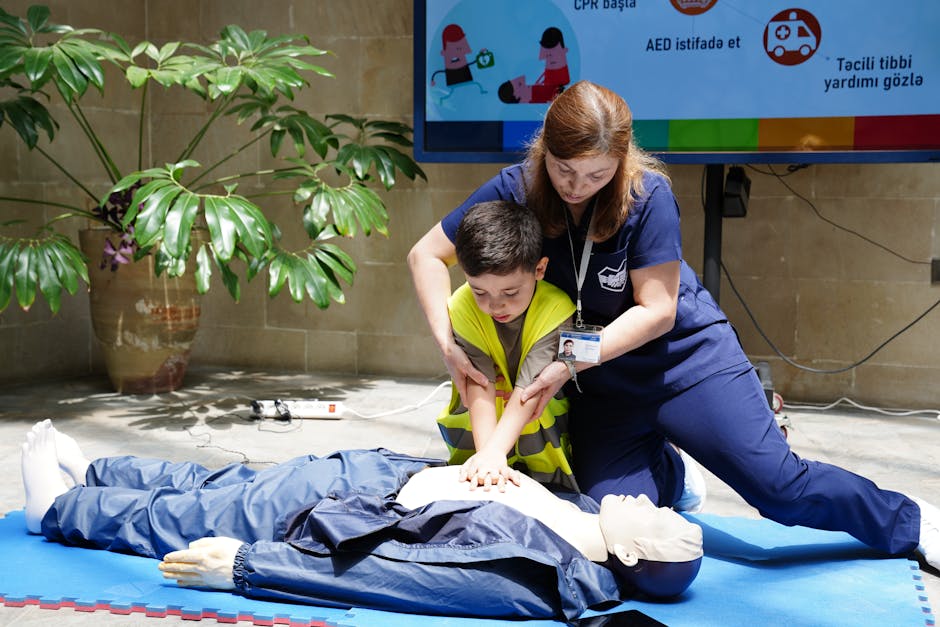
CPR training equips individuals with the skills necessary to respond confidently in emergencies. According to the American Heart Association, nearly 350,000 cardiac arrests occur outside of hospitals in the United States each year. When bystanders perform CPR, they can double or even triple a victim’s chance of survival. This statistic highlights the urgent need for widespread CPR education.
Moreover, CPR training is not just for healthcare professionals. Ordinary citizens, including parents, teachers, and coaches, can benefit from learning CPR. By taking a course, individuals become part of a community of responders who are prepared to assist during emergencies.
Steps to Perform CPR
Performing CPR involves a series of straightforward steps that can be applied in most emergency situations. First, it is crucial to assess the situation and ensure the environment is safe for both the rescuer and the victim. If the victim is unresponsive and not breathing, call emergency services immediately.
Next, begin chest compressions by placing the heel of one hand on the center of the victim’s chest, interlocking your fingers with your other hand on top. Compressions should be firm and fast, at a rate of 100 to 120 compressions per minute. After 30 compressions, give two rescue breaths by tilting the victim’s head back slightly and sealing your lips around their mouth to create an airtight seal. Continue this cycle until help arrives or the person starts to breathe.
For those interested in honing their skills, attending a CPR course is highly recommended. Local organizations often offer training sessions, and some may even provide certification upon completion. For instance, if you’re looking for a course in Sweden, you can find resources online for HLR kurs Stockholm.
Common Myths About CPR
Despite its importance, several myths surrounding CPR can deter individuals from learning this vital skill. One common misconception is that only trained professionals should perform CPR. In reality, bystanders can significantly impact a victim’s survival chances, even if they are not formally trained.
Another myth is that performing CPR can cause harm to the victim. While it is true that broken ribs can occur during chest compressions, the potential for saving a life far outweighs the risks involved. Understanding these myths can encourage more people to get trained and prepared.
Advancements in CPR Techniques
CPR techniques have evolved over the years, with new guidelines being introduced to improve the efficacy of the procedure. One significant advancement is the emphasis on hands-only CPR for adult victims. Research has shown that continuous chest compressions without rescue breaths can be just as effective in many cases, especially when bystanders are hesitant to perform mouth-to-mouth resuscitation.
Additionally, the use of automated external defibrillators (AEDs) is becoming more widespread. These devices can analyze the heart’s rhythm and deliver shocks if necessary, significantly increasing the chances of survival when used in conjunction with CPR. Knowing how to use an AED is another valuable skill that complements CPR training.
Conclusion: Empowering Yourself and Others
CPR is more than just a set of techniques; it is a life-saving skill that can empower individuals to make a difference in emergencies. By understanding the importance of CPR, learning the steps to perform it, and dispelling common myths, more people can be encouraged to take action when it matters most.
Moreover, as communities become more educated in CPR, the chances of survival for those experiencing cardiac arrest increase significantly. Whether you are a parent, teacher, or simply a concerned citizen, consider taking the initiative to learn CPR and help create a safer environment for all.