
The advancement of artificial intelligence has brought about significant changes across various sectors, and image detection is no exception. AI image detectors are revolutionizing the way we analyze and interpret visual content. From identifying objects in photographs to detecting anomalies in medical images, these tools have become invaluable across industries. This article delves into the capabilities, applications, and future prospects of AI image detectors, shedding light on their growing importance in today’s digital landscape.
Understanding AI Image Detectors
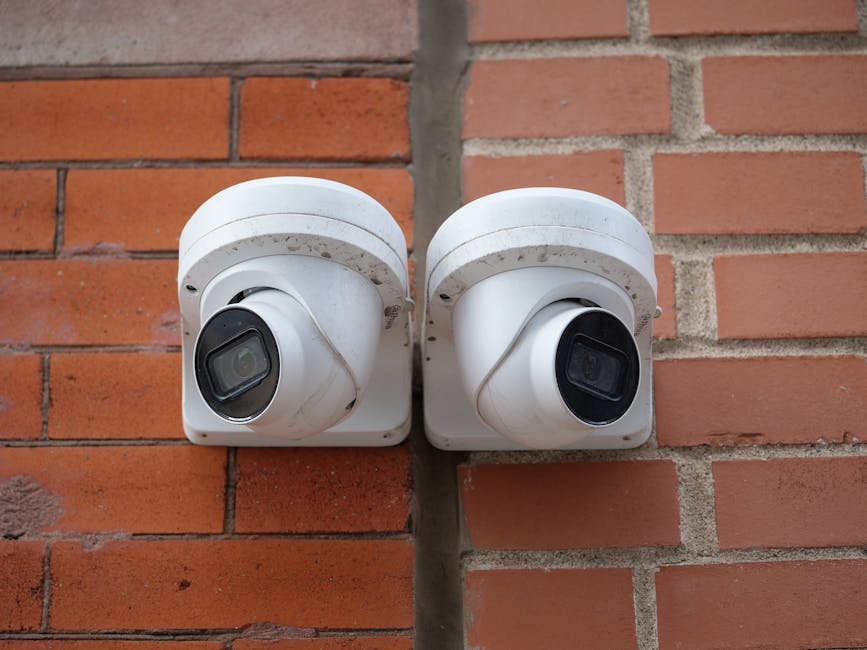
AI image detectors are sophisticated algorithms designed to analyze visual data. Utilizing techniques such as machine learning and deep learning, these systems can recognize patterns and make informed decisions based on the content of images. The foundation of these technologies lies in convolutional neural networks (CNNs), which excel in processing pixel data and identifying intricate features within images.
One of the key advantages of AI image detectors is their ability to learn from vast datasets. By training on millions of images, these systems improve their accuracy over time, making them increasingly reliable for various applications. For instance, companies in the e-commerce sector leverage AI image detectors to enhance product search functionalities, allowing users to find items based on images rather than text descriptions.
Moreover, AI image detectors can significantly reduce human error in image analysis tasks. In fields like security, where surveillance footage needs to be monitored constantly, these systems can quickly identify suspicious activities, alerting human operators in real-time and improving overall safety.
Applications Across Industries
The applications of AI image detectors are vast and varied, spanning multiple industries. In healthcare, these tools are being employed to analyze medical images, such as X-rays and MRIs, to detect early signs of diseases. For example, studies have shown that AI systems can achieve diagnostic accuracy comparable to that of experienced radiologists, particularly in areas like cancer detection.
In the retail industry, AI image detectors are used to optimize inventory management and enhance customer experiences. By analyzing in-store images, retailers can track product placements and ensure that shelves are stocked correctly, ultimately driving sales and customer satisfaction.
Furthermore, the entertainment industry is exploring the use of AI image detectors to automate processes like video editing and content moderation. By automatically tagging and categorizing visual content, these systems save time and resources, allowing creators to focus on higher-level creative tasks.
Challenges and Limitations
Despite their numerous benefits, AI image detectors are not without challenges. One significant concern is the potential for bias in AI algorithms, which can lead to inaccurate results. If the training data is not diverse or representative, the system may struggle to perform well in real-world scenarios.
Additionally, the ethical implications of using AI image detectors, particularly in surveillance and privacy contexts, raise important questions. As these technologies become more prevalent, it is crucial for organizations to implement responsible practices that prioritize user privacy and data protection.
Another limitation is the computational power required to run advanced AI image detection models. While cloud computing has alleviated some of these concerns, organizations must still invest in robust infrastructure to fully leverage the capabilities of these technologies.
The Future of AI Image Detectors
Looking ahead, the future of AI image detectors appears promising. As technology continues to evolve, we can expect significant advancements in accuracy, speed, and efficiency. Ongoing research in areas like explainable AI aims to make these systems more transparent, allowing users to understand how decisions are made.
Moreover, the integration of AI image detectors with other emerging technologies, such as augmented reality (AR) and virtual reality (VR), opens up new possibilities for immersive experiences. For example, retailers could use AR applications powered by AI image detection to create interactive shopping experiences, where customers can visualize products in their own environments.
Furthermore, the growing demand for automated content moderation in social media platforms will likely drive innovations in AI image detection, as companies seek to ensure compliance with community standards while managing vast amounts of user-generated content.
Conclusion
The rise of AI image detectors is transforming how we perceive and interact with visual content. With applications spanning healthcare, retail, security, and entertainment, these technologies are proving to be indispensable tools in our increasingly digital world. However, as we embrace the potential of AI image detectors, it is essential to address the challenges and ethical considerations they entail. By doing so, we can harness the full power of these tools while ensuring a future that prioritizes fairness, transparency, and user privacy. As companies and industries continue to explore the possibilities of AI image detection, it will be fascinating to witness how these innovations reshape our relationship with visual media. For those interested in exploring the capabilities of AI image detectors, various platforms are emerging that specialize in this field, such as ai image detector services.