
In recent years, hair transplant procedures have gained significant traction among individuals facing hair loss. This increase in popularity can be attributed to advances in technology, improved techniques, and a growing awareness of the benefits associated with these procedures. As more people seek solutions to their hair loss, understanding the different types of hair transplant methods, their effectiveness, and the recovery process becomes essential.
Understanding Hair Loss
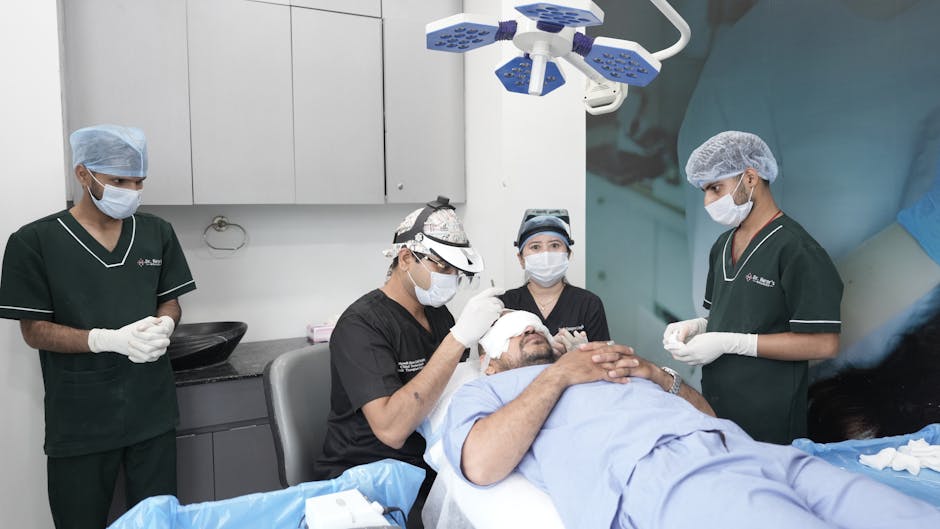
Before diving into hair transplant options, it is crucial to understand the underlying causes of hair loss. Factors such as genetics, age, hormonal changes, and environmental influences can all contribute to thinning hair or baldness. For instance, androgenetic alopecia, commonly known as male or female pattern baldness, is the most prevalent form of hair loss, affecting millions worldwide. According to the American Academy of Dermatology, approximately 80 million men and women in the United States experience hereditary hair loss.
Addressing hair loss is not merely a cosmetic concern; it can significantly impact an individual’s self-esteem and confidence. Many people turn to hair transplant procedures as a long-lasting solution to restore their hair and, subsequently, their self-image.
Types of Hair Transplant Procedures
There are primarily two types of hair transplant techniques: Follicular Unit Transplantation (FUT) and Follicular Unit Extraction (FUE). Each method has its benefits and drawbacks. FUT involves removing a strip of skin from the back of the scalp, where hair is denser, and dissecting it into individual grafts. This method can yield a larger number of grafts in one session but may leave a linear scar.
On the other hand, FUE entails extracting individual hair follicles directly from the scalp, resulting in minimal scarring and a quicker recovery time. FUE has become increasingly popular due to its less invasive nature and the natural appearance of the results. The choice between these methods largely depends on individual circumstances and preferences.
Factors to Consider Before a Hair Transplant
Before deciding on a hair transplant, several factors should be taken into account. First, potential candidates should have realistic expectations about the outcomes of the procedure. While hair transplants can significantly improve hair density, they may not restore a full head of hair for everyone.
Additionally, the expertise of the surgeon plays a critical role in the success of the procedure. Researching the qualifications and experience of the medical professional performing the transplant is paramount. Many individuals consider traveling abroad for procedures, seeking options such as hair transplant turkey, which is known for offering high-quality services at competitive prices.
Post-Procedure Care and Recovery
Understanding post-procedure care is essential for achieving optimal results from a hair transplant. After the surgery, patients may experience swelling, redness, or discomfort in the treated area. Following the surgeon’s aftercare instructions is crucial for minimizing complications and promoting healing.
Typically, patients are advised to avoid strenuous activities for a few weeks and to refrain from exposing the scalp to direct sunlight. Hair growth usually begins within a few months, with full results visible after approximately a year. Patience and adherence to the recovery process can greatly influence the final appearance of the transplanted hair.
Long-Term Effects and Results
Hair transplants are designed to provide long-lasting results. The transplanted hair follicles are taken from areas resistant to balding, ensuring that they continue to grow for a lifetime. However, it is essential to note that natural hair loss can still occur in non-transplanted areas, which may necessitate further treatments or transplants in the future.
Studies have shown that a significant percentage of hair transplant recipients report high satisfaction levels, often highlighting improvements in self-esteem and quality of life. As technology continues to advance, the effectiveness and accessibility of hair transplant procedures are likely to improve, making them a viable option for many individuals facing hair loss.
Conclusion
The rising popularity of hair transplant procedures reflects a broader societal acceptance of cosmetic interventions and an increasing desire for effective solutions to hair loss. With various techniques available, understanding the options and considerations involved is essential for anyone contemplating this journey. As more individuals take steps to regain their confidence through hair restoration, the landscape of hair transplantation continues to evolve, offering hope and solutions to those affected by hair loss.