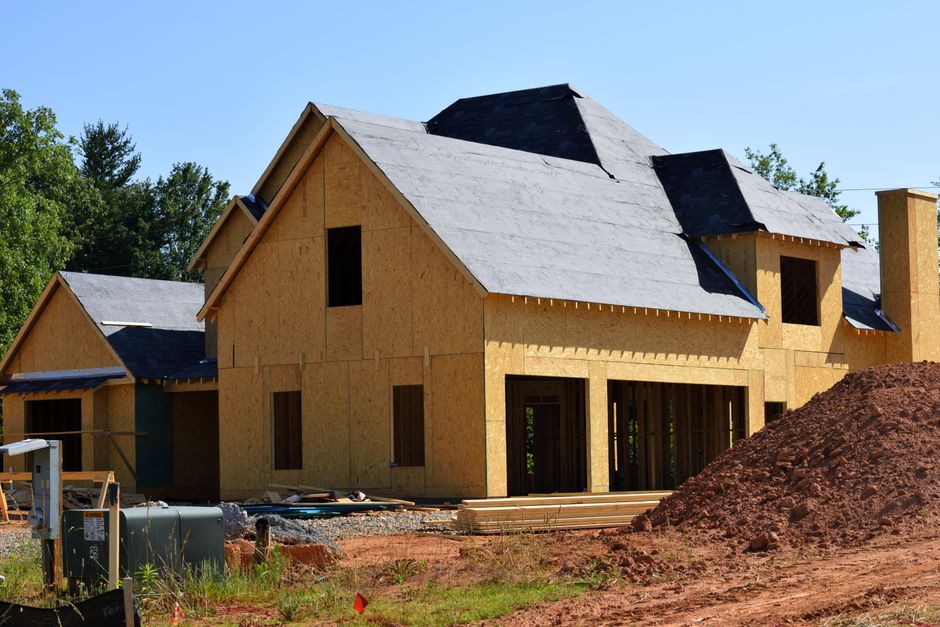
The real estate market has always been a dynamic space, undergoing constant transformations influenced by economic conditions, technological advancements, and societal changes. As we move forward in the 21st century, several trends are shaping the future of real estate, making it imperative for investors, buyers, and professionals to stay informed. In this article, we will explore key trends impacting the real estate sector and provide insights into what the future may hold.
1. The Rise of Smart Homes
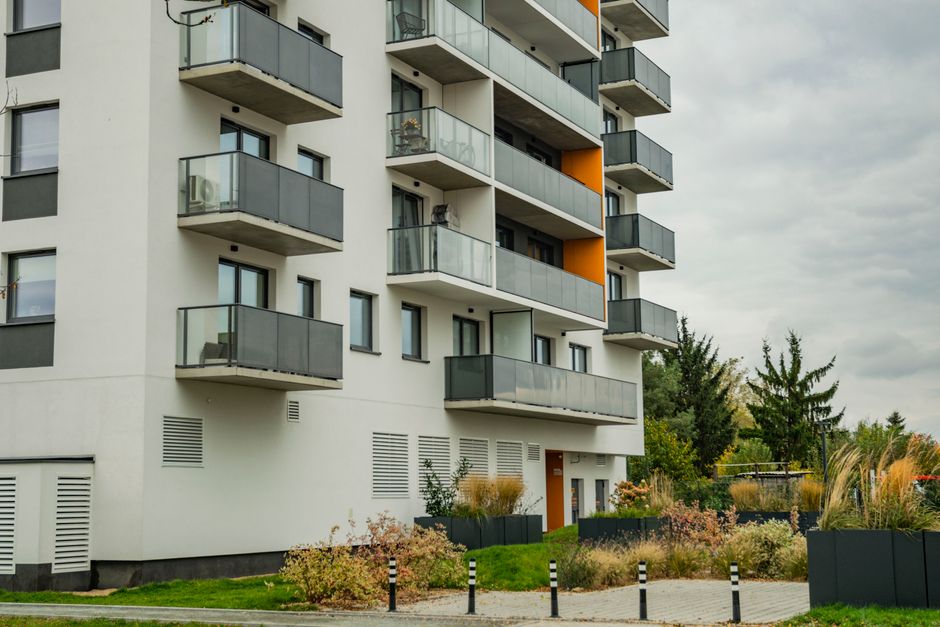
Smart homes are no longer a futuristic concept but a reality that is rapidly gaining traction. With the proliferation of the Internet of Things (IoT), homeowners are increasingly investing in smart devices that enhance their living experience. From automated lighting systems to smart thermostats, these technologies not only improve convenience but also contribute to energy efficiency. According to a recent study, the smart home market is expected to reach $174 billion by 2025, indicating a significant shift in consumer preferences.
As smart home technologies become more affordable, they are likely to influence real estate valuations. Properties equipped with these features can command higher prices, making them attractive investments. Moreover, homebuyers are beginning to seek out listings that highlight smart home capabilities, showcasing the importance of staying updated with technological advancements.
2. Urbanization and the Demand for Mixed-Use Developments
Urbanization continues to be a significant trend influencing the real estate landscape. As more people flock to cities for better job opportunities and lifestyle options, the demand for housing in urban areas is skyrocketing. This has led to a surge in mixed-use developments, which combine residential, commercial, and recreational spaces into cohesive communities.
These developments cater to the modern lifestyle, providing residents with easy access to amenities such as shopping, dining, and entertainment. According to the Urban Land Institute, mixed-use developments are becoming the preferred choice for city dwellers, with a projected growth rate of 15% in the next five years. This trend not only enhances the quality of life for residents but also contributes to sustainable urban growth.
3. Sustainability and Green Building Practices
As environmental concerns become increasingly pressing, sustainability is taking center stage in real estate. Homebuyers and investors are now prioritizing eco-friendly properties that minimize their carbon footprint. Green building practices, such as using sustainable materials and energy-efficient systems, are gaining popularity.
The U.S. Green Building Council reports that green homes can save homeowners up to 30% on energy costs, making them financially attractive as well. Additionally, properties with green certifications are more likely to appreciate in value, making them a wise investment choice. As the demand for sustainable housing continues to rise, real estate professionals must adapt by incorporating green practices into their projects.
4. Remote Work and Its Impact on Housing Preferences
The COVID-19 pandemic has revolutionized the way we work, with remote work becoming a norm for many. This shift has significant implications for the real estate market, as individuals and families reassess their housing needs. As the need for proximity to the workplace diminishes, buyers are seeking homes in suburban and rural areas, leading to increased demand in these regions.
Moreover, the desire for more space, both indoors and outdoors, is influencing buyer preferences. Properties with home offices, larger backyards, and proximity to nature are becoming more desirable. According to a survey conducted by Realtor.com, 60% of homebuyers expressed a preference for homes in less densely populated areas. This trend highlights the need for real estate agents to adapt their strategies to cater to changing buyer preferences.
Additionally, innovative solutions such as we buy houses Johnson City TN have emerged to meet the needs of sellers looking to capitalize on this trend. Companies that streamline the selling process for homeowners are gaining popularity, allowing for quicker transactions and less hassle.
5. The Role of Technology in Real Estate Transactions
Technology is reshaping the way real estate transactions are conducted. The rise of online platforms has made it easier for buyers and sellers to connect, simplifying the buying and selling process. Virtual tours, 3D modeling, and digital marketing are becoming essential tools for real estate professionals looking to attract buyers.
Furthermore, blockchain technology is making inroads into real estate, offering secure and transparent transaction processes. Smart contracts can streamline the closing process, reducing the need for intermediaries and minimizing the risk of fraud. As technology continues to evolve, real estate professionals must embrace these innovations to stay competitive in the market.
Conclusion
The future of real estate is undoubtedly exciting, with trends such as smart homes, urbanization, sustainability, and technological advancements shaping the landscape. By understanding these trends and adapting to the changing preferences of buyers and investors, real estate professionals can position themselves for success. As we look ahead, staying informed and embracing innovation will be key to thriving in this dynamic market.