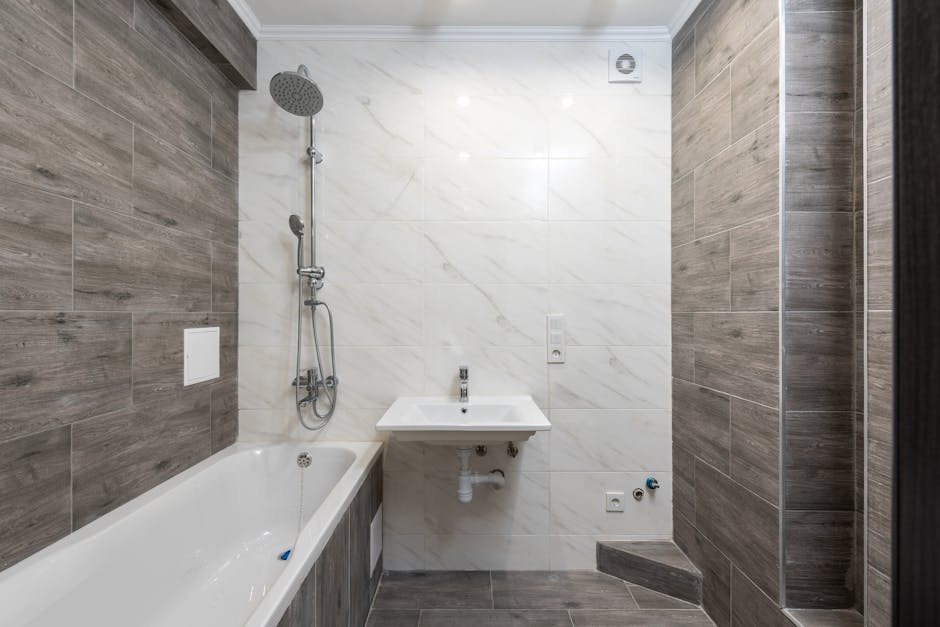
In the fast-evolving field of architecture and interior design, the role of space planning consultants has become increasingly crucial. These professionals specialize in optimizing the use of space, ensuring that both functionality and aesthetics are harmoniously balanced. With the growing complexity of urban environments and the need for efficient use of resources, their expertise is more valuable than ever.
Understanding Space Planning
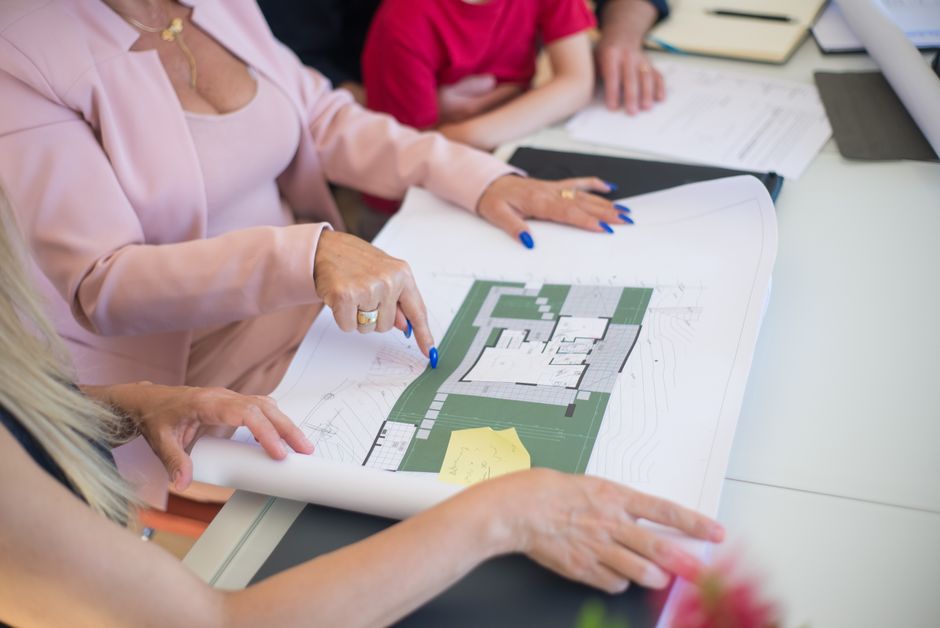
Space planning is the process of organizing and arranging spaces to enhance the functionality and efficiency of a given area. It involves analyzing the needs of the users and creating layouts that facilitate smooth workflows. This practice is essential in various settings, including residential homes, commercial offices, hospitals, and educational institutions.
A well-executed space plan not only improves the usability of a space but also contributes to the overall design appeal. For instance, in a corporate office, effective space planning can lead to increased employee productivity by fostering collaboration and reducing distractions.
The Benefits of Hiring a Space Planning Consultant
Engaging a space planning consultant can bring numerous advantages to a project. Firstly, these experts possess a deep understanding of design principles and spatial relations, allowing them to create layouts that maximize both function and flow. Their experience enables them to foresee potential issues and address them proactively.
Moreover, space planning consultants are skilled in utilizing advanced technology and software for simulations and visualizations. This capability allows stakeholders to see the proposed designs in 3D, facilitating better decision-making. Clients often find it easier to approve plans when they can visualize the end result.
Additionally, a space planning consultant can help save costs in the long run. By optimizing the layout and reducing wasted space, organizations can minimize expenses related to construction and maintenance.
Case Studies: Successful Space Planning Projects
Numerous successful projects highlight the impact of space planning consultants. For example, a renowned tech company recently transformed its headquarters with the assistance of a space planning consultant. The project involved creating open workspaces, collaborative areas, and quiet zones to cater to various employee needs. As a result, the company reported a significant increase in employee satisfaction and productivity.
In another instance, a healthcare facility hired a space planning consultant to redesign its patient flow system. The consultant conducted thorough research and analysis, leading to a layout that improved patient movement and reduced waiting times. This redesign not only enhanced the patient experience but also increased the facility’s operational efficiency.
The Future of Space Planning
The future of space planning is poised for transformation as technology continues to advance. With the rise of smart buildings and the Internet of Things (IoT), space planning consultants will need to adapt to new tools and methodologies. For instance, integrating sensors and data analytics will enable better understanding of how spaces are used, leading to more informed design decisions.
Moreover, sustainability will play a critical role in future space planning strategies. Consultants will increasingly focus on creating environmentally friendly spaces that minimize waste and energy consumption. This shift will not only benefit the planet but also appeal to a growing demographic of eco-conscious consumers.
Conclusion: Why You Need a Space Planning Consultant
In conclusion, the role of a space planning consultant is indispensable in today’s design landscape. Their expertise in optimizing space usage, enhancing functionality, and improving aesthetics can significantly impact a project’s success. Whether you are designing a new office, renovating a home, or planning a public space, consulting with a professional can lead to outcomes that surpass expectations. For those looking to delve deeper into this field, consider reaching out to a space planning consultant to explore the possibilities.