Maintaining a septic tank is crucial for homeowners who rely on this waste management system. Regular cleaning can prevent costly repairs and ensure the system functions efficiently. However, many people are unaware of the importance and process of septic tank cleaning. In this guide, we will explore why it is necessary, how often it should be done, and the steps involved in the cleaning process.
Understanding Septic Tanks
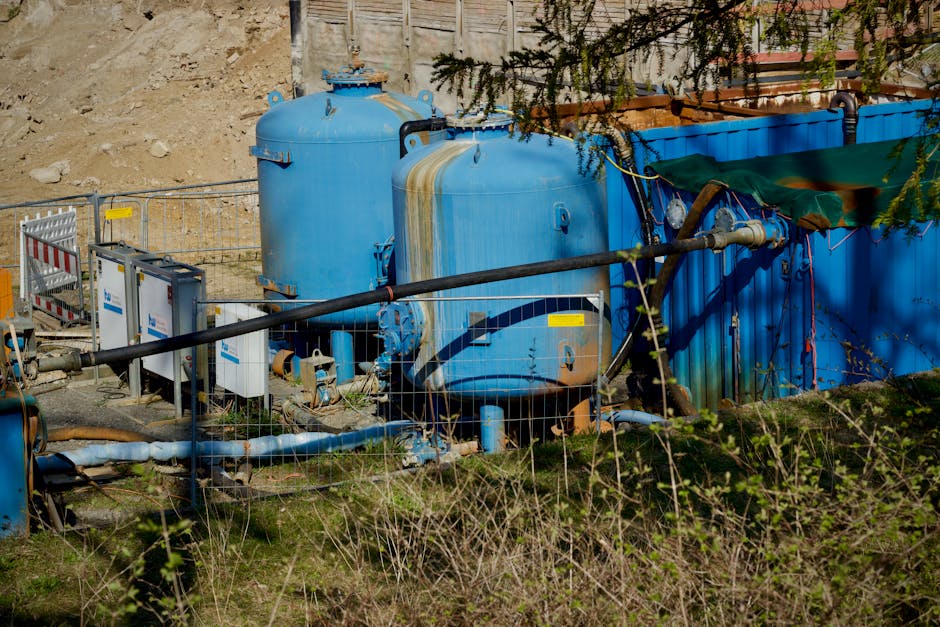
Septic tanks are underground wastewater treatment structures that are commonly used in rural and suburban areas. They are designed to treat and dispose of wastewater from household activities such as bathing, cooking, and sanitation. The tank allows solids to settle at the bottom, while the liquid effluent flows out into a drain field for further treatment in the soil.
Over time, solid waste accumulates in the tank, leading to reduced efficiency and potential system failure. Therefore, understanding how septic tanks work is essential for proper maintenance. A typical septic tank can hold anywhere from 750 to 2,000 gallons of waste, depending on the size of the household. Regular cleaning is necessary to ensure that the tank does not overflow or clog.
Why is Septic Tank Cleaning Important?
The importance of septic tank cleaning cannot be overstated. Failing to clean your septic tank regularly can lead to a range of problems, including:
- System Failure: A full septic tank can cause sewage to back up into your home, leading to health hazards and costly repairs.
- Environmental Concerns: Untreated waste can seep into the groundwater, contaminating drinking water sources and harming local ecosystems.
- Financial Impact: Regular maintenance and cleaning can save homeowners thousands of dollars in emergency repairs and replacements.
According to the Environmental Protection Agency (EPA), a well-maintained septic system can last up to 30 years. However, neglecting maintenance can significantly shorten its lifespan.
How Often Should You Clean Your Septic Tank?
The frequency of septic tank cleaning depends on several factors, including the size of the tank, the number of occupants in the household, and the amount of wastewater generated. On average, it is recommended to have your septic tank pumped every 3 to 5 years.
For larger households or homes with high water usage, more frequent cleaning may be necessary. Additionally, if you notice any signs of septic system issues, such as slow drains, foul odors, or sewage backups, it is crucial to schedule a cleaning immediately.
Keeping a record of your septic maintenance, including cleaning dates and any issues encountered, can help you determine the best schedule for your system. This proactive approach will ensure that your septic system remains in good working condition.
The Septic Tank Cleaning Process
Cleaning a septic tank is a job best left to professionals, as it involves handling hazardous waste materials. However, understanding the process can help homeowners appreciate the importance of this maintenance task. The typical cleaning process includes:
- Inspection: The technician will inspect the septic system to identify any issues before pumping.
- Pumping: Using a vacuum truck, the technician will pump out the accumulated solids and sludge from the tank.
- Cleaning: The technician may clean the tank walls and inspect the inlet and outlet pipes for blockages.
- Maintenance Advice: After cleaning, the technician will provide advice on maintaining the system, including tips for septic maintenance.
DIY vs. Professional Cleaning
While some homeowners might consider DIY septic tank cleaning, it is generally not recommended. The risks involved in handling septic waste are significant, and improper cleaning can lead to more harm than good. Hiring a professional ensures that the job is done safely and effectively.
Professionals have the necessary equipment and expertise to handle septic systems, and they can identify potential problems that the average homeowner may overlook. Furthermore, regular professional maintenance can extend the life of your septic system, providing peace of mind for years to come.
Conclusion
Septic tank cleaning is a critical aspect of home maintenance that should not be ignored. Regular cleaning helps prevent costly repairs, protects the environment, and ensures the safety of your household. By understanding the importance of septic tank maintenance and following the recommended cleaning schedule, homeowners can keep their systems functioning efficiently for many years. If you haven’t had your septic tank cleaned in a while, now is the perfect time to schedule a professional service and ensure your system remains in top shape.