
In the modern home, a dryer is not just a convenience; it’s a necessity. With the busy lifestyles we lead, having a reliable appliance that efficiently dries our clothes can save us time and effort. However, choosing the right dryer and maintaining it properly can often be overwhelming due to the myriad of options available. In this comprehensive guide, we will explore the different types of dryers, how to select the best one for your needs, and practical maintenance tips to keep your dryer running smoothly.
Understanding the Different Types of Dryers
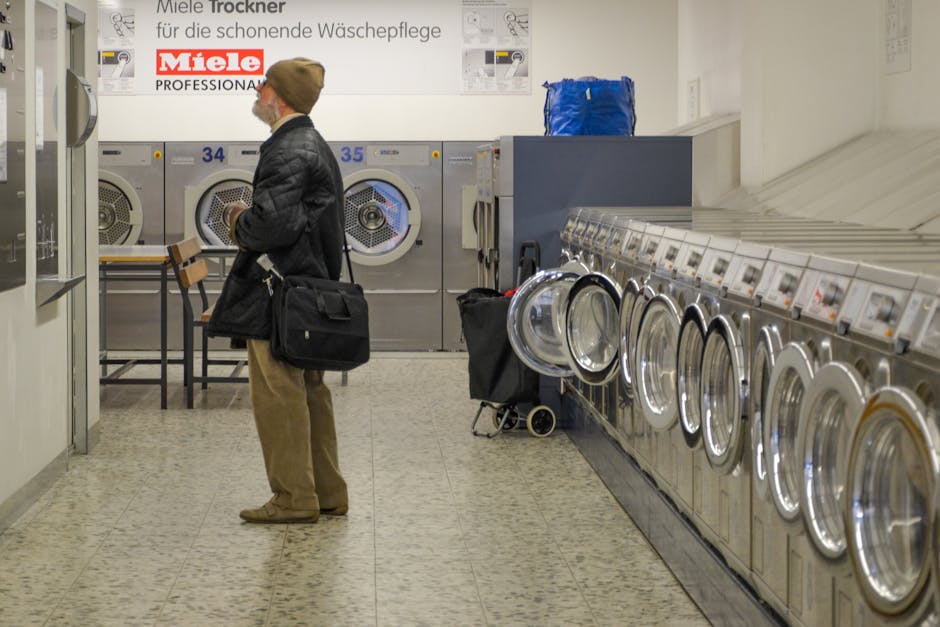
When it comes to dryers, there are primarily two types: vented and ventless. Vented dryers expel hot, moist air outside through a duct, making them ideal for homes with proper ventilation. They tend to dry clothes faster and are generally more energy-efficient. On the other hand, ventless dryers use a different method; they recycle the air within the drum, which makes them suitable for apartments or homes without external venting options.
Another consideration is the type of power source. Electric dryers are more common, but gas dryers can be more energy-efficient in the long run. According to the U.S. Department of Energy, a gas dryer can save you approximately $100 per year compared to an electric model, depending on usage and local energy costs.
Finally, there are combination washer-dryer units, which can be a space-saving solution for small homes. These units combine the two functions into one machine, providing the convenience of washing and drying in a single appliance. However, they often take longer to dry clothes and may not have the same capacity as separate units.
Key Features to Look For
When selecting a dryer, certain features can significantly enhance your experience. One of the most important features is the moisture sensor. This technology detects when clothes are dry and stops the cycle, preventing over-drying, which can damage fabrics and waste energy.
Other features to consider include different drying cycles tailored for specific fabrics, steam functions to reduce wrinkles, and energy efficiency ratings. According to the Energy Star program, energy-efficient dryers use about 20% less energy than standard models, contributing to both environmental sustainability and cost savings.
Moreover, consider the drum size. A larger drum is essential for families or those who frequently wash bulky items like comforters. A dryer with a capacity of 7.5 cubic feet or more is generally recommended for larger households.
Common Dryer Problems and How to Fix Them
Even the best dryers can encounter issues over time. One common problem is the dryer not heating. This can be caused by a faulty heating element or a clogged vent. For those living in Ottawa, seeking professional help for Dryer repair ottawa can ensure that your appliance is fixed correctly and efficiently.
Another frequent issue is the dryer making strange noises. This could indicate a problem with the drum rollers or belt. Regular maintenance can help prevent these issues. For instance, cleaning the lint filter after each use and scheduling a professional cleaning of the venting system at least once a year can significantly extend the life of your dryer.
Additionally, if your dryer is taking too long to dry clothes, it may be due to a clogged vent or a malfunctioning moisture sensor. Addressing these problems promptly can save you money and prevent further damage to the appliance.
Maintenance Tips to Extend the Life of Your Dryer
Maintaining your dryer is crucial for its longevity. Regular cleaning is essential; this includes the lint filter, which should be cleared after every use, and the venting system, which should be checked and cleaned periodically. A clogged vent can not only hinder performance but also pose a fire hazard.
Furthermore, avoid overloading the dryer. While it may be tempting to dry multiple loads at once, overloading can stress the motor and belt, leading to premature wear and tear. Instead, dry smaller loads to ensure even drying and to maintain the appliance’s efficiency.
Lastly, consider using dryer balls or dryer sheets. Dryer balls help separate clothes, allowing for better air circulation and reducing drying time. Dryer sheets can add a pleasant fragrance and reduce static cling, making for a more pleasant laundry experience.
Conclusion
Choosing and maintaining a dryer is an essential aspect of modern home management. By understanding the different types of dryers, key features to look for, common problems, and maintenance tips, you can ensure that your dryer serves you well for many years. With the right care, your dryer can be a reliable partner in your laundry routine, saving you time and effort while keeping your clothes in great condition.