
Stainless steel has become a staple material in various industries, renowned for its durability, resistance to corrosion, and aesthetic appeal. From kitchen appliances to architectural structures, its applications are vast and continually expanding. This article delves into the unique properties of stainless steel, its benefits, and its diverse uses, showcasing why it remains a material of choice for manufacturers and consumers alike.
The Unique Properties of Stainless Steel
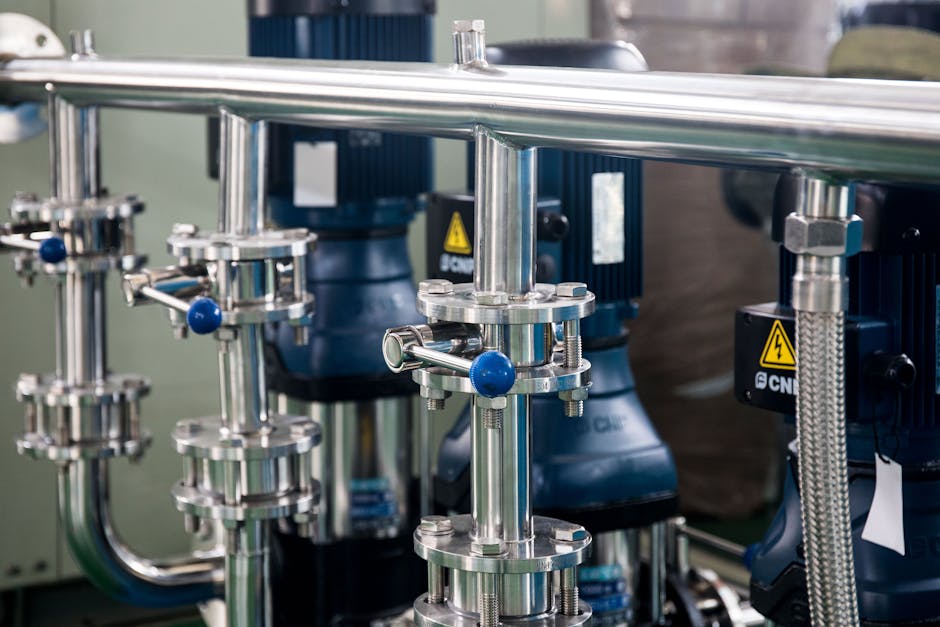
Stainless steel is an alloy primarily made of iron, carbon, and a minimum of 10.5% chromium. This specific composition gives stainless steel its remarkable resistance to rust and staining, making it an ideal choice for environments where moisture is prevalent. The chromium forms a protective layer of chromium oxide on the surface, which prevents further corrosion. The alloy’s strength and durability also allow it to withstand high temperatures and extreme pressure, making it suitable for a variety of applications.
Another key property of stainless steel is its aesthetic appeal. With a shiny, modern finish, it enhances the visual appeal of products, from kitchenware to commercial buildings. Its versatility in design and functionality makes it a favorite among architects and designers looking to create sleek, contemporary spaces.
Benefits of Using Stainless Steel
One of the most significant advantages of stainless steel is its longevity. Unlike other materials that may degrade over time, stainless steel maintains its integrity, requiring minimal maintenance. This characteristic not only reduces replacement costs but also contributes to sustainability, as fewer resources are consumed in producing new materials.
Stainless steel is also highly hygienic, which is particularly important in the food and healthcare industries. Its non-porous surface prevents the accumulation of bacteria and germs, making it easy to clean and sanitize. This property is crucial in environments where hygiene is paramount, such as hospitals and food processing plants.
Furthermore, stainless steel is 100% recyclable. This eco-friendly aspect is increasingly important in today’s world, where sustainability is a priority for consumers and businesses alike. By choosing stainless steel products, consumers can contribute to a circular economy and minimize their environmental footprint.
Applications of Stainless Steel
Stainless steel is utilized in a myriad of applications across diverse industries. In the culinary world, it is a favorite choice for cookware, cutlery, and kitchen appliances. Its resistance to heat and staining makes it ideal for environments where high temperatures and moisture are common.
In the construction industry, stainless steel is employed for structural components, roofing, and facades. Its strength and corrosion resistance ensure that buildings can withstand harsh weather conditions while maintaining their aesthetic appeal. For example, many contemporary skyscrapers feature stainless steel elements that not only provide structural integrity but also enhance the building’s visual impact.
In the automotive and aerospace sectors, stainless steel is used for components that require high strength-to-weight ratios and resistance to extreme conditions. This includes exhaust systems, fuel tanks, and various engine parts that benefit from stainless steel’s durability and lightweight properties.
Innovations and Future Trends in Stainless Steel
The stainless steel industry is continuously evolving, with innovations aimed at enhancing its properties and expanding its applications. One such trend is the development of specialized stainless steel alloys that offer improved performance in specific environments. For instance, duplex stainless steels combine the desirable properties of both austenitic and ferritic stainless steels, resulting in materials that excel in both strength and corrosion resistance.
Additionally, advancements in manufacturing processes, such as additive manufacturing and machining techniques, are allowing for more intricate designs and applications of stainless steel. This is particularly useful in industries like aerospace and healthcare, where customized components are often required.
Moreover, as sustainability becomes increasingly important, there is a growing emphasis on reducing the carbon footprint of stainless steel production. Companies are investing in more efficient manufacturing processes and exploring alternative energy sources to minimize environmental impact.
Conclusion
Stainless steel is more than just a material; it is a symbol of innovation, durability, and sustainability. Its unique properties and numerous benefits make it a preferred choice across various industries, from culinary applications to architectural marvels. As the industry continues to innovate and adapt, the future of stainless steel looks bright, with endless possibilities for its use in enhancing our daily lives. Whether you are a manufacturer, designer, or consumer, understanding the value of stainless steel can lead to better choices and investments. For those looking to furnish their spaces with high-quality materials, consider exploring options from a reputable Furniture Company In Saudi Arabia that specializes in stainless steel products.