Perfume has been an integral part of human culture for centuries, captivating our senses and enhancing our personalities. From ancient rituals to modern-day fashion statements, fragrances have evolved in complexity and significance. In this article, we will explore the fascinating world of perfume, delving into its history, the art of crafting scents, and the impact of fragrance on our emotions and memories.
The History of Perfume: A Timeless Tradition
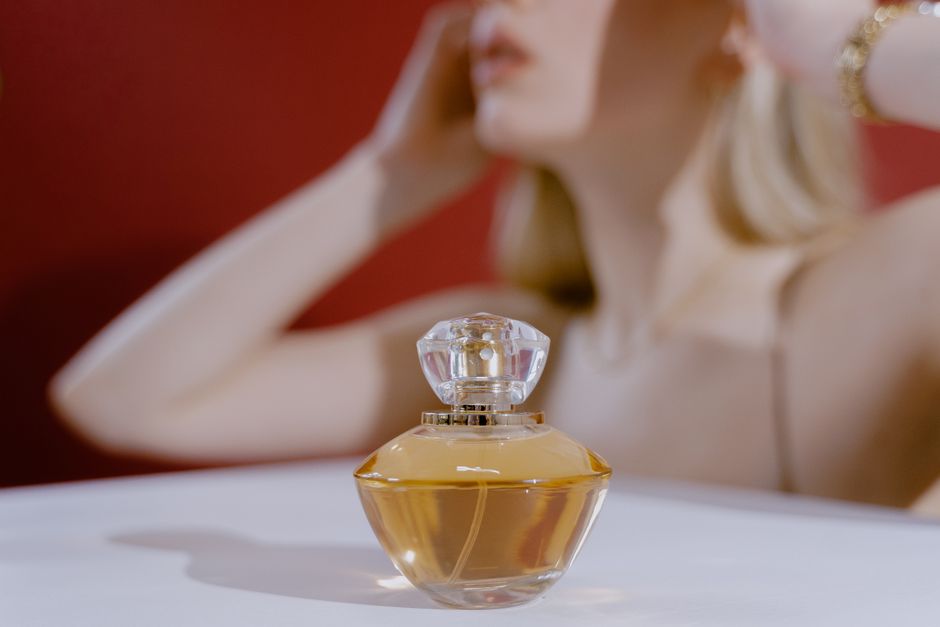
The origins of perfume can be traced back to ancient civilizations, particularly in Egypt, where aromatic oils were used in religious ceremonies and for personal adornment. The word ‘perfume’ itself derives from the Latin ‘per fumum,’ meaning ‘through smoke,’ which reflects the early methods of extracting scents from plants and flowers.
In ancient Rome, perfume became a symbol of luxury and status. Wealthy citizens adorned themselves with elaborate scents made from rare ingredients. The trade of perfume flourished, leading to the establishment of scent-making centers in various parts of the world. Today, the perfume industry is a multi-billion dollar market, showcasing a blend of tradition and innovation.
The Art of Crafting Perfumes
Creating a perfume is a meticulous art that combines science and creativity. Perfumers, often referred to as ‘noses,’ possess an acute sense of smell and a deep understanding of fragrance notes. A typical perfume is composed of three layers of notes: top, middle, and base. The top notes are the initial scents that are perceived upon application, while the middle notes emerge after the top notes fade. Finally, the base notes provide depth and longevity to the fragrance.
The choice of ingredients is paramount in fragrance creation. Natural sources like flowers, fruits, and spices are often combined with synthetic compounds to achieve unique scents. For instance, a luxurious fragrance might feature notes of jasmine, sandalwood, and amber, creating an alluring and memorable experience.
One notable brand that exemplifies this art is Maison Francis Kurkdjian (MFK), known for its exquisite and innovative fragrances that push the boundaries of traditional perfume-making.
The Psychology of Fragrance
Fragrance has a profound effect on our emotions and memories. Research has shown that our sense of smell is closely linked to the limbic system, the part of the brain that processes emotions. This connection explains why certain scents can evoke vivid memories or feelings of comfort and nostalgia.
Many people choose their fragrance based on the emotions they wish to convey. For example, a fresh citrus scent might be chosen for its energizing qualities, while a warm vanilla fragrance may be selected for its comforting nature. The impact of fragrance on our mood is a powerful tool in personal branding and social interactions.
Trends in the Perfume Industry
As consumer preferences evolve, the perfume industry continues to adapt to new trends. Sustainability has become a key focus, with many brands prioritizing eco-friendly ingredients and packaging. Additionally, the rise of niche fragrances has allowed smaller brands to flourish, offering unique and personalized scent experiences.
Another trend is the increasing popularity of unisex fragrances, which challenge traditional gender norms in scent selection. This shift reflects a broader cultural movement towards inclusivity and self-expression.
Choosing the Right Perfume for You
When selecting a fragrance, it’s essential to consider your personal style, lifestyle, and the impression you want to leave on others. Testing perfumes on your skin is crucial, as the scent can change based on your body chemistry.
Start by exploring different fragrance families, such as floral, oriental, woody, and fresh. Take your time to discover scents that resonate with you, and don’t hesitate to seek advice from fragrance experts at department stores or niche boutiques.
Ultimately, the right perfume should reflect your personality and evoke the emotions you wish to express. Whether you prefer a light and airy scent or a bold and complex fragrance, the journey of finding your signature scent is a personal adventure.
Conclusion
Perfume is more than just a personal accessory; it is an art form that transcends time and culture. From its rich history to the intricate process of creation, fragrance offers a unique way to express oneself and connect with others. As trends continue to evolve, the world of perfume remains a vibrant and dynamic field, inviting us to explore and indulge in the captivating realm of scent.