
The agricultural landscape is evolving rapidly, with new technologies reshaping how we produce food. Among these innovations, vertical farming technology stands out as a game-changer. This method of agriculture not only maximizes space but also increases efficiency and sustainability in food production. As urban populations rise and arable land decreases, the importance of vertical farming becomes increasingly apparent.
Understanding Vertical Farming Technology
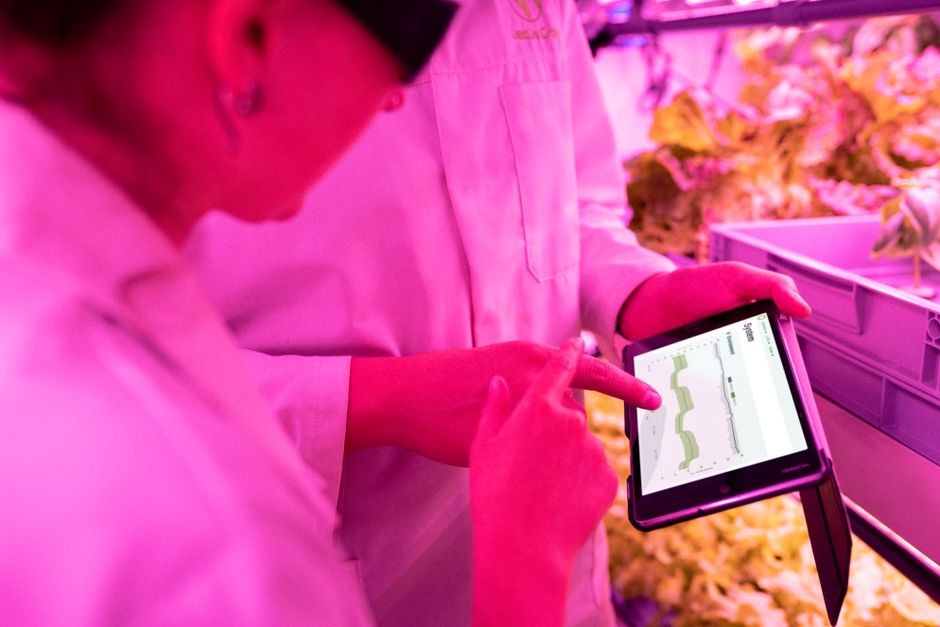
Vertical farming refers to the practice of growing crops in vertically stacked layers, often within controlled environments. This innovative approach allows for year-round cultivation of various crops, independent of weather conditions. By utilizing techniques such as hydroponics, aeroponics, and aquaponics, vertical farms can reduce water usage by up to 90% compared to traditional farming methods.
Additionally, vertical farms can be established in urban areas, significantly reducing the carbon footprint associated with transporting food from rural farms to city dwellers. This proximity to consumers means fresher produce and the ability to respond quickly to local demand.
Benefits of Vertical Farming
The advantages of vertical farming extend beyond just space utilization and water conservation. For instance, these farms can operate in climate-controlled environments, which means crops are protected from pests and diseases, reducing the need for pesticides. This not only results in healthier produce but also contributes to environmental sustainability.
Furthermore, vertical farming technology can lead to higher crop yields. Studies show that crops grown in controlled environments can produce yields that are 10 to 20 times higher than those from conventional farms. This increase in productivity is crucial as the global population is projected to reach nearly 10 billion by 2050, necessitating innovative solutions to food production.
Challenges Faced by Vertical Farming
Despite its numerous benefits, vertical farming technology does face some challenges. The initial setup costs for vertical farms can be substantial due to the need for advanced technology and infrastructure. Additionally, the energy consumption required to maintain optimal growing conditions can be a concern, especially if renewable energy sources are not utilized.
Another challenge is the need for skilled labor. Operating a vertical farm requires knowledge of complex systems, and as such, there is a demand for trained professionals in this emerging field. However, as more educational programs develop around this topic, the workforce is expected to grow accordingly.
Case Studies: Successful Vertical Farming Initiatives
Several companies and institutions worldwide have successfully implemented vertical farming technology, showcasing its potential. For example, a notable case is the AeroFarms facility in Newark, New Jersey. This indoor vertical farm produces over 2 million pounds of greens annually using aeroponic systems. The facility has garnered attention not only for its innovative practices but also for its commitment to sustainability and community engagement.
Another example is the urban farm, Plenty, based in San Francisco. By leveraging artificial intelligence and data analytics, Plenty optimizes growth conditions to achieve maximum efficiency. Their approach has led to the development of farms that can produce fresh produce closer to urban centers, reducing waste and transportation emissions.
The Future of Vertical Farming Technology
The future of vertical farming technology is promising, with ongoing research and development aimed at improving efficiency and reducing costs. Innovations in LED lighting, nutrient solutions, and automation are expected to enhance the viability of vertical farms. As technology continues to advance, we can anticipate a growing number of urban vertical farms contributing to local food systems.
Moreover, the integration of vertical farming with smart city initiatives could play a pivotal role in creating sustainable urban environments. By incorporating vertical farms into city planning, municipalities can address food security and environmental concerns simultaneously.
As more people recognize the benefits of local, sustainable food sources, vertical farming technology is likely to gain traction in both urban and rural settings. This shift could fundamentally transform our agricultural practices and contribute to a more resilient food system.
Conclusion
Vertical farming technology represents a revolutionary approach to agriculture, addressing critical challenges such as land scarcity, water conservation, and food security. As urban populations continue to rise, the demand for innovative solutions in food production will only increase. By investing in and embracing vertical farming, we can create a more sustainable future for generations to come. The potential for this technology to reshape our food systems is immense, making it an exciting area for further exploration and development. For those interested in diving deeper into this field, understanding the principles of vertical farming technology will be essential.