In today’s digital landscape, the risk of encountering fraudulent invoices is on the rise. Businesses, both large and small, are increasingly targeted by scammers who use sophisticated techniques to create convincing fake invoices. This article aims to explore effective strategies for detecting fraudulent invoices, ensuring that your organization remains protected against financial losses.
Understanding Fraudulent Invoices
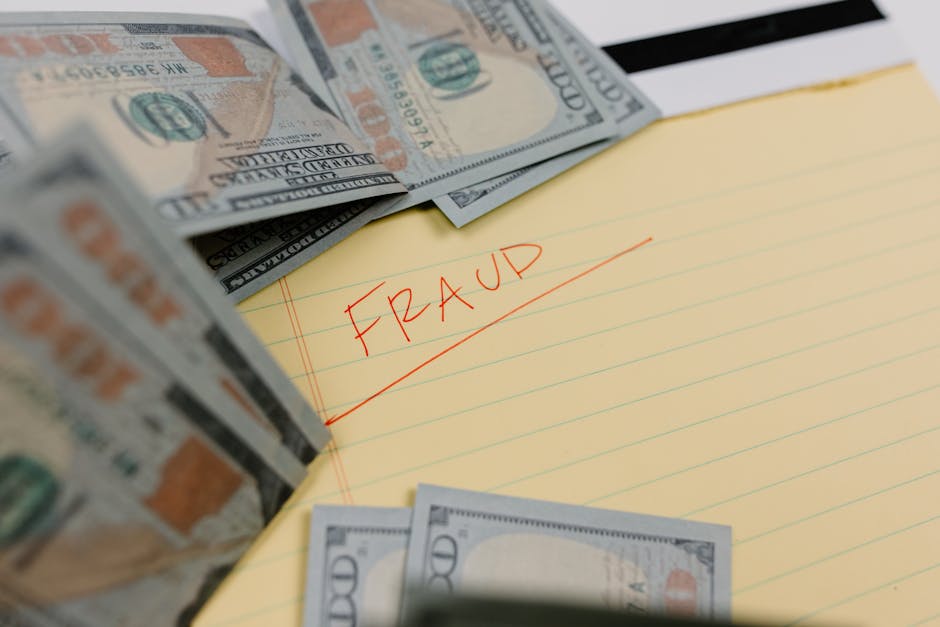
Fraudulent invoices can take many forms, from fake suppliers to inflated charges for services never rendered. The consequences of processing these invoices can range from minor financial discrepancies to significant losses that can jeopardize a company’s financial health. According to the Association of Certified Fraud Examiners (ACFE), organizations lose an estimated 5% of their annual revenue to fraud, including invoice scams.
One common tactic used by fraudsters is to create invoices that closely mimic legitimate ones. These may include official logos, similar formatting, and even familiar names. As a result, it often takes a trained eye to spot the red flags. Understanding the common characteristics of fraudulent invoices is the first step in the detection process.
Common Indicators of Fraudulent Invoices
Several key indicators can help you identify potentially fraudulent invoices. First, always verify the contact information. If the invoice lists a new supplier or has altered contact details, this should raise a red flag. Additionally, changes in payment terms or unusual urgency in payment requests can also signal potential fraud.
Another important factor is the consistency of the invoice details. Compare the invoice against previous ones from the same supplier. Look for discrepancies in pricing, quantities, or invoice numbers. If something seems off, it’s essential to investigate further.
Additionally, consider implementing software solutions that can help detect fraud invoice by analyzing patterns and flagging suspicious activity. Such tools can serve as a first line of defense, giving you an extra layer of security.
Implementing a Verification Process
To effectively combat invoice fraud, organizations should develop a robust verification process. This process should include multiple levels of approval for invoices, ensuring that no single individual has complete control over the payment process. By spreading the responsibility among various team members, the likelihood of fraudulent invoices slipping through is significantly reduced.
Furthermore, training employees to recognize the signs of fraud is crucial. Regular workshops and seminars can keep staff informed about the latest scams and techniques used by fraudsters. This proactive approach fosters a culture of skepticism and vigilance, which is essential in today’s digital age.
Leveraging Technology in Invoice Management
Technology plays a pivotal role in the detection and prevention of fraudulent invoices. Many businesses are turning to automated invoice management systems that include built-in fraud detection features. These systems can analyze incoming invoices for inconsistencies and alert relevant personnel when suspicious activity is detected.
Moreover, machine learning algorithms can be employed to continuously learn from past fraudulent attempts, improving the accuracy of the detection process over time. By integrating these advanced technologies, businesses can significantly reduce their exposure to invoice fraud.
Real-Life Case Studies
To illustrate the impact of invoice fraud, consider the case of a mid-sized manufacturing company that fell victim to a phishing scam. The fraudster impersonated a key supplier and sent an invoice for a large shipment that had not occurred. The accounts payable department, unfamiliar with the supplier’s new email address, processed the invoice, resulting in a loss of $150,000.
This case highlights the importance of verification processes and employee training. After the incident, the company implemented stricter verification measures, including direct confirmations with suppliers for any significant invoices, which has since reduced their fraud exposure.
Conclusion
In summary, detecting fraudulent invoices requires a comprehensive approach that combines vigilance, employee training, and technology. By understanding the common indicators of fraud, implementing a robust verification process, and leveraging advanced technologies, businesses can significantly mitigate their risks. As fraud tactics continue to evolve, staying informed and proactive is paramount in safeguarding your organization’s financial integrity.