The evolution of photography has brought about many innovative techniques, one of which is virtual tour photography. This technique allows viewers to engage with locations in a way that traditional photography cannot achieve. Whether for real estate, tourism, or educational purposes, virtual tour photography is revolutionizing how we experience spaces.
What is Virtual Tour Photography?
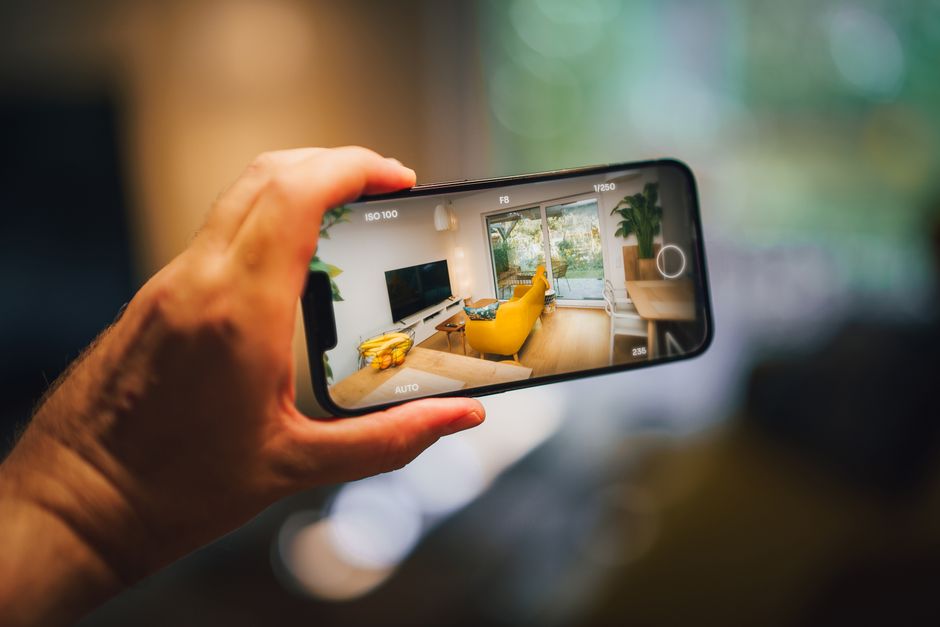
Virtual tour photography is a method that combines panoramic images and interactive elements to create a 360-degree representation of a location. Unlike standard photos that provide a single perspective, virtual tours enable viewers to navigate through a space as if they were physically present. This immersive experience can significantly enhance the viewer’s understanding and appreciation of the environment.
Typically, virtual tours are created using specialized cameras and software that stitch together images from multiple angles. The final product can be viewed on various devices, from desktop computers to smartphones, making it accessible to a broad audience. For instance, real estate agents can showcase properties in an engaging way, allowing potential buyers to explore homes remotely.
The Importance of Virtual Tours in Real Estate
In the competitive real estate market, presenting properties in the best light is crucial. Virtual tour photography offers an edge by allowing prospective buyers to visualize themselves in the space. According to a survey conducted by the National Association of Realtors, properties with virtual tours receive 87% more views than those without.
Moreover, virtual tours can save time for both buyers and agents by narrowing down the list of properties that meet the buyer’s criteria. Instead of scheduling multiple physical showings, buyers can explore homes online and make informed decisions based on their preferences. This efficiency not only enhances the buying experience but also helps agents close deals faster.
Applications in Tourism and Education
Beyond real estate, virtual tour photography has found its place in tourism and education. Travel agencies and tourism boards utilize virtual tours to entice travelers by showcasing destinations in a captivating manner. For example, a virtual tour of a museum can provide a sneak peek into exhibits, allowing potential visitors to experience the atmosphere before making a trip.
In educational settings, virtual tours can enhance learning by providing students with interactive experiences. Schools can take students on virtual field trips to historical sites, enabling them to explore and learn about different cultures and histories from their classrooms. This approach not only makes learning more engaging but also broadens access to educational resources.
Creating High-Quality Virtual Tours
To create an effective virtual tour, several factors need to be considered. First, the choice of equipment is crucial. High-resolution cameras and appropriate lenses can capture the intricate details of a space. Additionally, using a tripod ensures stability and consistency in the images.
Editing plays a significant role in the final product as well. Software that allows for image stitching and interactive elements is necessary to create a seamless experience. Proper lighting is also essential; natural light often yields the best results, enhancing the overall quality of the tour.
Finally, incorporating virtual tour photography into marketing strategies can greatly enhance visibility. By promoting virtual tours on social media and websites, businesses can attract a larger audience and engage potential clients effectively.
Future Trends in Virtual Tour Photography
The future of virtual tour photography looks promising, with advancements in technology paving the way for even more immersive experiences. Virtual reality (VR) and augmented reality (AR) are expected to play significant roles, allowing users to interact with spaces in real-time and with added layers of information.
As 5G technology becomes more widespread, the ability to stream high-quality virtual tours seamlessly will enhance user experience, making it a preferred choice for businesses and consumers alike. Furthermore, as more industries recognize the value of virtual tours, we can expect to see innovative applications in sectors like healthcare and retail.
Conclusion
Virtual tour photography is more than just a trend; it is a transformative approach to how we explore and engage with our environments. From real estate to education and beyond, the applications of this technology are vast and varied. As it continues to evolve, staying informed about best practices and emerging trends will be essential for those looking to leverage virtual tours effectively. Embracing this innovative medium can lead to enhanced engagement, improved customer experiences, and ultimately, greater success in various industries.