
The allure of luxury hotels transcends mere accommodation; it embodies a lifestyle of elegance, comfort, and exclusivity. For travelers seeking the finest experiences, luxury hotels offer not only lavish amenities but also unparalleled service and unique atmospheres. In this article, we delve into what defines luxury hotels, explore their key features, and highlight some of the most iconic properties around the globe.
Defining Luxury in Hospitality
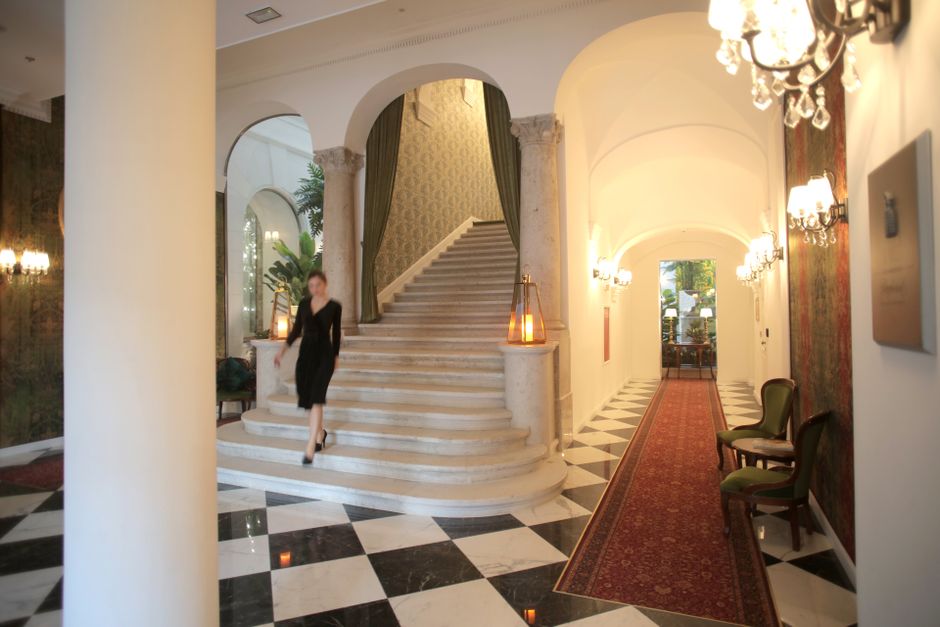
Luxury in hospitality is often subjective, varying from one traveler to another. However, certain standards are universally recognized. Luxury hotels are characterized by their exceptional service, upscale accommodations, and premium locations. According to the Luxury Hotel Market Report, the global luxury hotel market is expected to reach $115 billion by 2027, fueled by increasing disposable income and a growing desire for unique travel experiences.
Another defining aspect of luxury hotels is their attention to detail. From personalized welcome gifts to bespoke concierge services, every element is designed to cater to the guest’s desires. In this context, luxury goes beyond material wealth; it encompasses an experience that makes guests feel valued and pampered.
The Importance of Location
The location of a luxury hotel plays a pivotal role in its appeal. Many of the world’s most prestigious hotels are situated in iconic destinations, offering breathtaking views and easy access to cultural landmarks. For instance, The Ritz Paris, located in the heart of the city, provides guests with a glimpse into Parisian elegance and history.
Furthermore, luxury hotels often capitalize on their surroundings to enhance the guest experience. For example, resorts in tropical locales may feature open-air dining and activities that emphasize the natural beauty of their environment. The Four Seasons Resort in Maui exemplifies this approach, combining luxurious accommodations with stunning ocean views and lush landscapes.
Unmatched Amenities and Services
Luxury hotels pride themselves on offering amenities that cater to the needs and desires of their guests. From world-class dining options to lavish spas, the amenities provided are often what set these establishments apart. For instance, The Burj Al Arab in Dubai is renowned for its opulent suites, private beaches, and award-winning restaurants.
In addition to physical amenities, luxury hotels provide exceptional services that enhance the overall experience. Personalized services such as private butlers, tailored excursions, and exclusive access to events are just a few examples. Such offerings not only contribute to guest satisfaction but also foster loyalty, as guests are likely to return for the unforgettable experiences.
Trends Shaping Luxury Hotels
The luxury hotel industry is constantly evolving, with new trends emerging in response to changing consumer preferences. One notable trend is the growing emphasis on sustainability. Many luxury hotels are adopting eco-friendly practices, such as using locally sourced materials and reducing energy consumption. For instance, the Six Senses brand is known for its commitment to sustainability, integrating wellness and environmental responsibility into its operations.
Technological advancements are also shaping the luxury hotel experience. From mobile check-ins to smart room controls, technology is enhancing convenience and personalization. Many luxury hotels now provide guests with apps that allow them to customize their stay, from ordering room service to booking spa treatments. This integration of technology not only streamlines the guest experience but also aligns with the modern traveler’s expectations.
Iconic Luxury Hotels to Experience
When it comes to luxury hotels, several properties have earned iconic status. The Aman Tokyo, for instance, is celebrated for its minimalist design and tranquil atmosphere, offering a serene escape in the bustling city. Similarly, The Peninsula Hong Kong combines traditional elegance with modern luxury, making it a favorite among discerning travelers.
For those seeking a unique cultural experience, the Taj Mahal Palace in Mumbai offers a blend of history and luxury, with its stunning architecture and rich heritage. Meanwhile, The St. Regis Bali Resort is renowned for its breathtaking beachfront location and unmatched service, making it a top choice for travelers looking for a tropical getaway.
Finally, if you’re looking to explore luxury hotels further, consider visiting luxury hotels that offer personalized experiences tailored to your preferences. Whether you’re seeking a romantic getaway or a family vacation, the options are endless.
Conclusion
Luxury hotels represent more than just a place to stay; they offer a glimpse into a world of opulence and exclusivity that many aspire to experience. With their exceptional service, breathtaking locations, and unparalleled amenities, these hotels have the power to create memories that last a lifetime. As the luxury hospitality industry continues to innovate and adapt to the needs of modern travelers, the allure of luxury hotels will undoubtedly remain strong, beckoning travelers to indulge in the ultimate escape.