
Aquaponics is rapidly gaining popularity among gardening enthusiasts and environmentally conscious individuals. This innovative method combines aquaculture and hydroponics, creating a sustainable ecosystem for growing plants and fish. In this article, we will explore the benefits of using an aquaponics kit, how to set one up, and tips for maintaining a successful aquaponics system.
Understanding Aquaponics
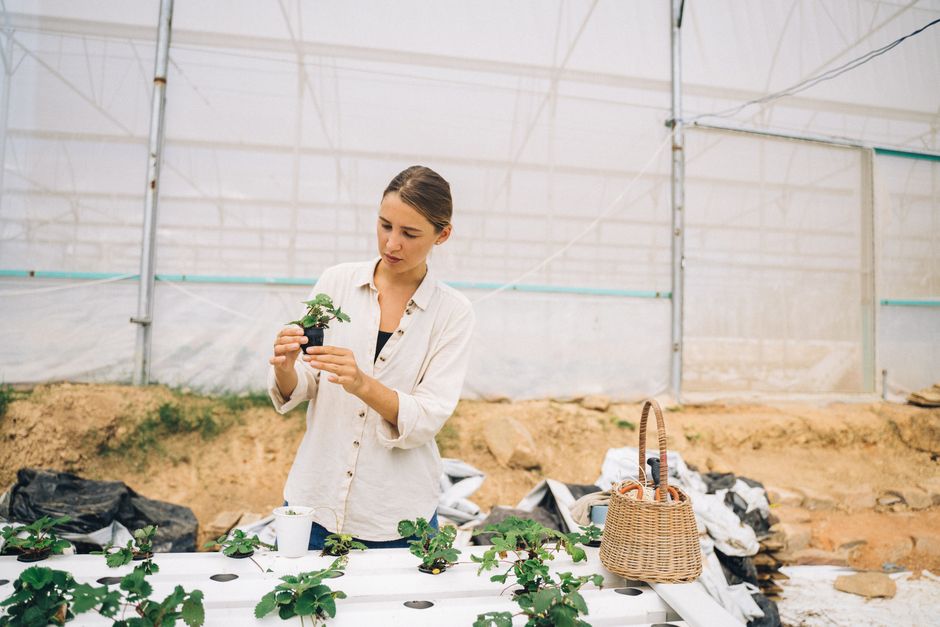
Aquaponics is a system that merges aquaculture (the raising of fish) with hydroponics (the growing of plants in water). In a typical aquaponics setup, fish waste provides an organic nutrient source for the plants, while the plants help to filter and purify the water for the fish. This symbiotic relationship not only maximizes space but also reduces water consumption compared to traditional farming methods.
According to recent studies, aquaponics systems can use up to 90% less water than conventional soil-based agriculture. This makes aquaponics a highly efficient and sustainable way to grow food, especially in regions where water is scarce. Additionally, aquaponics reduces the need for chemical fertilizers and pesticides, making it an eco-friendly alternative for growing fresh produce.
Many people are turning to aquaponics kits as a convenient way to start their own system at home. These kits typically include everything needed to establish a small-scale aquaponics system, including a fish tank, grow bed, pump, and necessary plumbing.
Benefits of Aquaponics Kits
One of the primary benefits of using an aquaponics kit is the ease of setup. Most kits are designed for beginners, providing clear instructions and all the essential components. This allows individuals with little to no gardening experience to successfully cultivate their own food.
Moreover, aquaponics kits can be adapted to various spaces, whether you have a backyard or just a small balcony. They can be scaled up or down depending on the available space and your gardening goals. This flexibility makes aquaponics an appealing option for urban gardeners looking to grow their own vegetables.
Another significant advantage is the potential for yield. The combination of fish and plants in one system can lead to higher productivity compared to traditional gardening methods. For example, studies have shown that aquaponic systems can produce up to 10 times more food than conventional methods in the same amount of space.
Setting Up Your Aquaponics System
When setting up your aquaponics kit, the first step is to choose the right location. Ensure that the area has access to sunlight, preferably at least six hours a day, as most plants require adequate light for optimal growth. Additionally, consider the temperature, as fish and plants both thrive within specific temperature ranges.
Next, follow the instructions provided with your aquaponics kit to assemble the system. This typically involves setting up the fish tank, grow bed, and plumbing system. Once everything is in place, fill the tank with water and allow it to cycle for a few weeks. This cycling process helps establish beneficial bacteria that convert fish waste into nutrients for the plants.
After the cycling period, introduce fish to your system. Common choices for aquaponics include tilapia, goldfish, or catfish, as they are hardy and can thrive in various conditions. After adding fish, you can begin planting your chosen crops in the grow bed. Leafy greens, herbs, and strawberries are popular choices for beginners.
Maintaining Your Aquaponics System
Maintenance is crucial for the success of your aquaponics system. Regularly monitor the water quality, including pH levels, ammonia, nitrite, and nitrate concentrations. Keeping these levels within the ideal range is essential for the health of both fish and plants.
Feed your fish regularly with a balanced diet, ensuring they receive the necessary nutrients to thrive. As the fish produce waste, it will provide nutrients for the plants, but it is vital to supplement their diet when necessary.
Additionally, stay vigilant against pests and diseases. While aquaponics systems are generally less prone to pests than traditional gardens, it’s still important to check your plants regularly and take preventive measures when needed. Organic pest control methods are recommended to maintain the integrity of your ecosystem.
Conclusion
Aquaponics kits offer a unique and sustainable way to grow food at home. With their ease of setup and potential for high yields, they are an excellent option for both novice and experienced gardeners. By understanding how to set up and maintain your aquaponics system, you can enjoy fresh produce and fish while contributing to environmental sustainability. If you’re interested in starting your own system, consider exploring different aquaponics kit options available on the market today.