
In the world of gardening, especially when it comes to greenhouse cultivation, having the right equipment is crucial for achieving the best results. The investment in quality greenhouse equipment can significantly enhance plant growth, improve yields, and extend growing seasons. This article explores the essential types of equipment needed for effective greenhouse management, their benefits, and how to choose the right tools for your gardening needs.
Understanding the Basics of Greenhouse Equipment
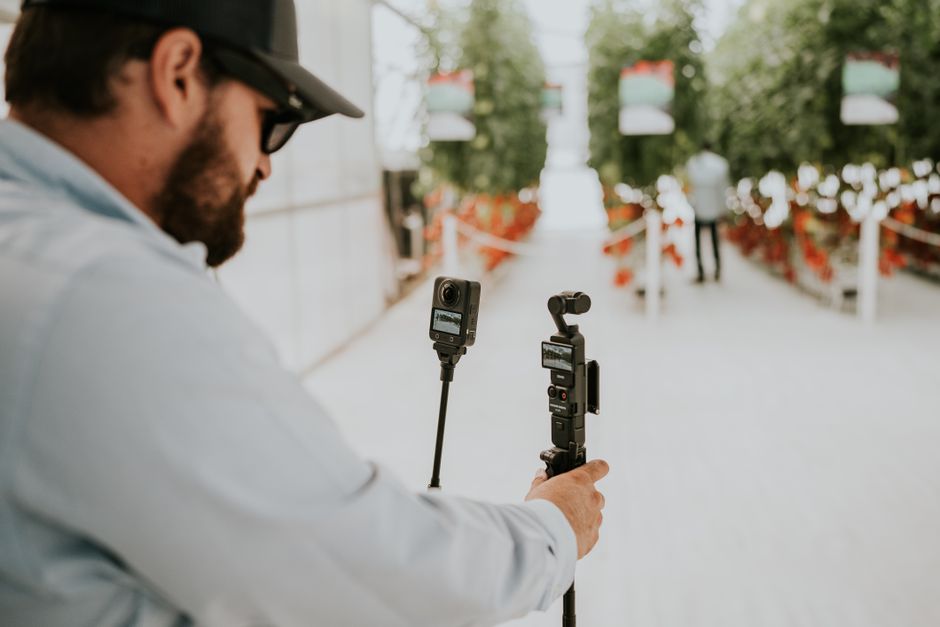
Before diving into the specific types of equipment, it’s important to understand what greenhouse equipment encompasses. Typically, it includes tools and systems that facilitate environmental control, plant care, and crop management. Key components often involve heating, cooling, ventilation, and irrigation systems. Each of these elements plays a vital role in creating an optimal growing environment.
For instance, temperature control is fundamental in a greenhouse, as plants can be sensitive to extreme conditions. Therefore, investing in effective heating systems, such as forced-air heaters or radiant heaters, can ensure that your plants thrive even during colder months. Similarly, cooling systems, including exhaust fans and shading materials, help maintain an ideal temperature during hot weather.
Moreover, proper ventilation is essential to prevent the buildup of humidity which can lead to mold and disease. Having automatic or manual vents can help facilitate airflow, keeping the environment fresh and healthy for plants.
Importance of Irrigation Systems
Irrigation is a critical component of greenhouse equipment, as it directly affects plant health and productivity. Depending on the type of plants being cultivated, different irrigation methods may be more suitable. For instance, drip irrigation systems provide water directly to the plant roots, minimizing evaporation and water waste.
In a study conducted by the Irrigation Association, it was found that drip irrigation can reduce water usage by up to 30% compared to traditional watering methods. This not only conserves water but also ensures that plants receive adequate moisture, leading to healthier growth.
Additionally, incorporating automated irrigation systems can save time and labor, allowing gardeners to focus on other essential tasks. Systems that include timers or moisture sensors can ensure that plants receive the right amount of water at the right time, promoting optimal growth.
Lighting Solutions for Optimal Growth
Natural sunlight is often insufficient for year-round greenhouse gardening, especially in regions with shorter daylight hours. Therefore, supplemental lighting becomes an integral part of greenhouse equipment. Grow lights, such as LED or fluorescent lights, can be used to provide the necessary light spectrum for photosynthesis.
Recent advancements in LED technology have made them a popular choice among greenhouse growers. According to a report by the Department of Energy, LED lights consume 75% less energy than traditional incandescent lights, making them a cost-effective option for long-term use.
Moreover, specific light wavelengths can promote different stages of plant growth; for example, blue light is beneficial for vegetative growth, while red light encourages flowering. By utilizing the right lighting solutions, gardeners can significantly enhance plant growth and yield.
Choosing the Right Tools for Maintenance
In addition to the main systems, various tools are necessary for the day-to-day maintenance of a greenhouse. These include hand tools like pruners, trowels, and hoes, as well as larger equipment such as tillers and composters. Each tool serves a specific purpose and contributes to the overall health of the plants.
For instance, regular pruning is essential for many plants to encourage growth and fruit production. Quality pruning shears can make this task easier and more efficient. On the other hand, using a tiller can help prepare the soil for planting, ensuring that it is well-aerated and nutrient-rich.
Another important tool is the soil testing kit, which allows gardeners to monitor nutrient levels and pH balance. This information is critical for making informed decisions about fertilization and soil amendments, ultimately leading to healthier plants.
Investing in Quality Greenhouse Equipment
When it comes to greenhouse equipment, quality should never be compromised. Opting for reliable brands and durable materials can save time and money in the long run. While it may be tempting to choose cheaper alternatives, they often lead to more frequent replacements and repairs, which can be more costly.
Additionally, consider the specific needs of your greenhouse and the types of plants you wish to grow. Researching and consulting with experts can provide valuable insights into which equipment will best suit your gardening goals. Local agricultural extension offices or gardening clubs can be excellent resources for information and recommendations.
Ultimately, a well-equipped greenhouse can lead to a bountiful harvest, ensuring that your gardening efforts yield maximum results. For comprehensive options and high-quality products, you can explore various suppliers that specialize in greenhouse equipment.
Conclusion
In summary, investing in the right greenhouse equipment is essential for any serious gardener looking to optimize their growing conditions. By understanding the importance of temperature control, irrigation, lighting, and maintenance tools, growers can create an environment that promotes healthy plant growth and maximizes yield. With careful planning and investment in quality equipment, the potential for success in greenhouse gardening is immense.