
Organic farming has gained significant traction in recent years, with more farmers and gardeners recognizing the environmental and health benefits of growing food without synthetic chemicals. This shift towards sustainable agriculture is not just a trend; it’s a necessary evolution in how we approach food production. However, the success of organic farming relies heavily on the right supplies and tools. In this article, we’ll explore the essential supplies for organic farming, helping you cultivate a thriving, eco-friendly garden or farm.
Understanding Organic Farming
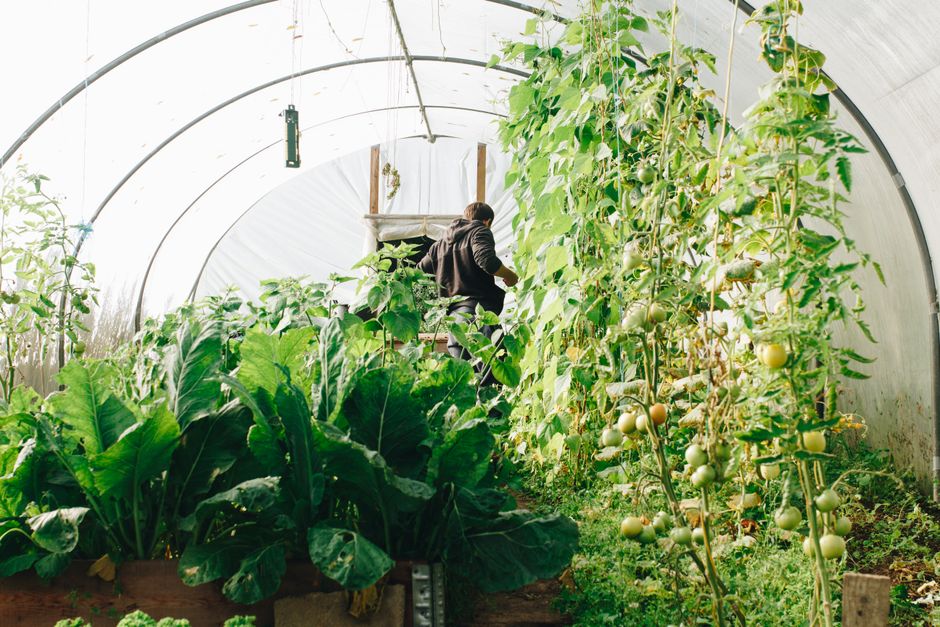
Before diving into the supplies needed for organic farming, it’s essential to understand what organic farming entails. Organic farming is an agricultural method that emphasizes the use of natural processes and materials to grow crops. This means avoiding synthetic fertilizers, pesticides, and genetically modified organisms (GMOs). Instead, organic farmers rely on crop rotation, green manure, composting, and biological pest control to maintain soil health and prevent pest infestations.
The benefits of organic farming extend beyond just the absence of chemicals. Studies have shown that organic produce often has higher levels of antioxidants and other beneficial compounds. Additionally, organic farming practices help improve soil structure, enhance biodiversity, and reduce pollution from agricultural runoff. As the global demand for organic products continues to rise, understanding the necessary supplies can position you for success.
Essential Organic Farming Supplies
When starting an organic farm or garden, having the right supplies is paramount. Here are some essential items that every organic grower should consider:
1. **Seeds**: The foundation of any garden is the seeds you choose. Organic seeds are produced without synthetic pesticides or fertilizers, ensuring that your plants start their lives in a chemical-free environment. Look for reputable suppliers who offer a wide variety of organic seeds tailored to your local climate.
2. **Soil Amendments**: Healthy soil is crucial for organic farming. Incorporating organic matter such as compost, well-rotted manure, and green manure can enrich your soil with nutrients and improve its structure. These amendments not only enhance plant growth but also support the microbial life essential for soil health.
3. **Natural Pest Control**: Organic farming requires innovative pest management strategies. Supplies like neem oil, insecticidal soap, and beneficial insects such as ladybugs can help keep pests at bay without harming the environment. Additionally, companion planting can deter pests naturally by utilizing the beneficial relationships between different plant species.
4. **Tools and Equipment**: Basic gardening tools such as shovels, rakes, and hoes are essential for any organic farmer. Additionally, consider investing in more specialized equipment like soil testers, compost bins, and irrigation systems designed for organic farming. These tools will make your farming efforts more efficient and effective.
Where to Find Organic Farming Supplies
Finding quality organic farming supplies is crucial for your success. Many local garden centers and co-ops offer a selection of organic products. However, for a more extensive range, you might consider online retailers. Websites dedicated to organic gardening provide everything from seeds to natural fertilizers. One such resource for organic farming supplies is organic farming supplies, which offers a variety of products tailored to the needs of organic farmers.
In addition to commercial suppliers, you may also explore local farmers’ markets and community-supported agriculture (CSA) programs. These venues often provide access to organic seeds and plants, as well as invaluable advice from experienced growers.
Benefits of Using Organic Supplies
Using organic farming supplies offers numerous benefits that can enhance your farming experience and produce. Firstly, organic supplies contribute to healthier soil and plants, which translates to a more robust yield. Additionally, organic farming practices promote biodiversity, helping to create a balanced ecosystem on your farm.
Moreover, consumers are increasingly aware of the benefits of organic products, leading to a growing market for organic produce. By using organic supplies, you position yourself to meet this demand, potentially commanding higher prices for your crops.
Lastly, organic farming is an ethical choice that prioritizes sustainability and environmental stewardship. By using organic supplies, you contribute to the health of the planet, ensuring that future generations can enjoy clean air, water, and food.
Conclusion
In conclusion, organic farming is not just about avoiding chemicals; it’s about embracing a holistic approach to agriculture that prioritizes health and sustainability. By investing in the right organic farming supplies, you can cultivate a thriving garden or farm that not only meets your needs but also those of the environment. Whether you’re a seasoned farmer or a novice gardener, understanding the essential supplies for organic farming is key to your success. As you embark on your organic farming journey, remember that the choices you make today will impact not only your crops but also the world around you.