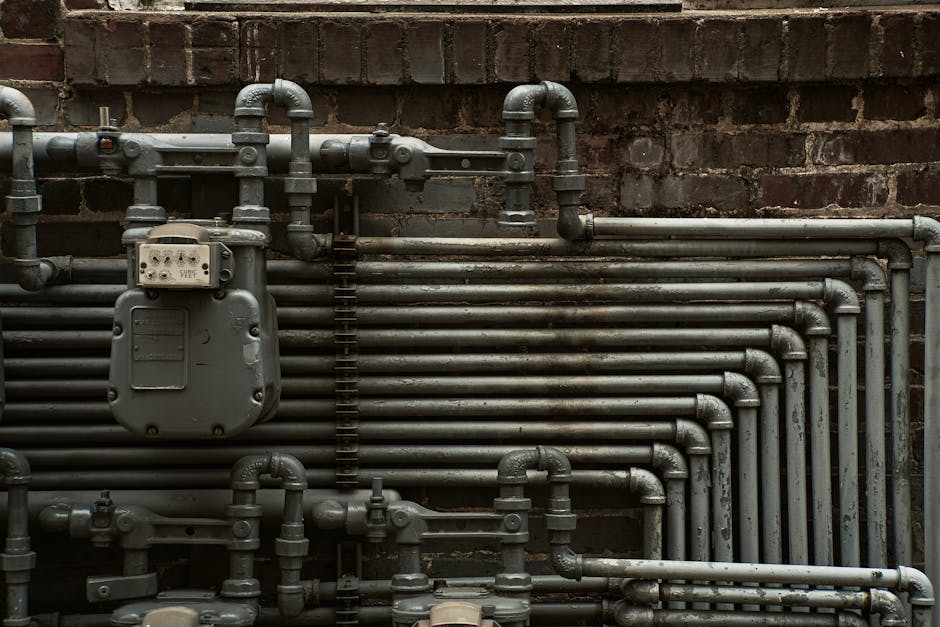
In the rapidly evolving world of construction and building design, MEP engineering companies play a crucial role. These firms specialize in the mechanical, electrical, and plumbing systems that are essential for any modern building. Their expertise ensures not only the functionality of a structure but also its energy efficiency and sustainability. As construction projects become more complex, the need for skilled MEP engineers has never been greater.
Understanding MEP Engineering

MEP stands for Mechanical, Electrical, and Plumbing, which are key components of building systems. Mechanical engineering involves heating, ventilation, and air conditioning (HVAC) systems. Electrical engineering covers the power distribution, lighting, and communication systems. Plumbing includes water supply, drainage, and sewage systems. Together, these three disciplines ensure that buildings are not only livable but also efficient and safe.
The integration of these systems is critical in the design phase of any construction project. MEP engineers collaborate closely with architects and other engineers to create designs that meet both regulatory standards and client needs. Their role is to ensure that all systems work harmoniously, which can significantly affect the building’s performance and operational costs over time.
Why Choose a Specialized MEP Engineering Company?
Choosing a specialized MEP engineering company can lead to numerous benefits. Firstly, these companies have teams of experts who are well-versed in the latest technologies and regulations. This ensures that the designs they produce are compliant with local codes, which can save time and money during the construction phase.
Additionally, MEP engineering companies bring a wealth of experience to the table. They have likely worked on a variety of projects, from residential buildings to large commercial complexes. This experience allows them to anticipate potential challenges and develop innovative solutions that can streamline the construction process.
Furthermore, utilizing a dedicated MEP firm can enhance the energy efficiency of a building. With the growing emphasis on sustainability, MEP engineers are increasingly focused on designing systems that minimize energy consumption and reduce environmental impact. By implementing energy-efficient technologies, these companies help clients save on operational costs while also contributing to a greener future.
The Impact of Technology on MEP Engineering
Technology is transforming the field of MEP engineering in several ways. Building Information Modeling (BIM) is one of the most significant advancements, allowing engineers to create detailed 3D models of buildings. This technology enables more accurate planning and helps identify potential conflicts between different systems before construction begins.
Moreover, advanced simulation tools allow MEP engineers to analyze the performance of HVAC systems, lighting, and more under various conditions. This data-driven approach leads to more informed decision-making and better designs that meet the specific needs of each project.
As an example, a recent study showed that buildings designed using BIM technology had a 30% reduction in rework costs compared to traditional methods. This efficiency not only saves money but also reduces project timelines, making MEP engineering companies invaluable partners in construction.
Case Studies: Successful MEP Engineering Projects
To illustrate the importance of MEP engineering companies, consider the case of a large urban hospital project. The challenges included integrating complex medical systems, ensuring compliance with stringent health regulations, and optimizing energy use to reduce operating costs.
By working closely with a specialized MEP engineering company, the project team was able to design a state-of-the-art facility that met all regulatory requirements while also being energy efficient. The use of advanced HVAC systems and smart building technologies resulted in a 25% reduction in energy costs, showcasing the critical role that MEP engineering plays in modern healthcare infrastructure.
Another example is a high-rise office building that implemented a green roof and rainwater harvesting system. The MEP engineering team was integral in designing the plumbing and irrigation systems that would support these features. As a result, the building not only achieved LEED certification but also positioned itself as a leader in sustainable urban design.
Conclusion: The Future of MEP Engineering
As the construction industry continues to evolve, the role of MEP engineering companies will be more vital than ever. With advancements in technology and an increasing focus on sustainability, these firms are at the forefront of creating buildings that are not only functional but also environmentally responsible.
For anyone involved in construction, understanding the importance of MEP engineering can lead to better decision-making and more successful projects. Investing in specialized MEP engineering services is not just a choice; it’s a strategic necessity for the future of building design and construction.