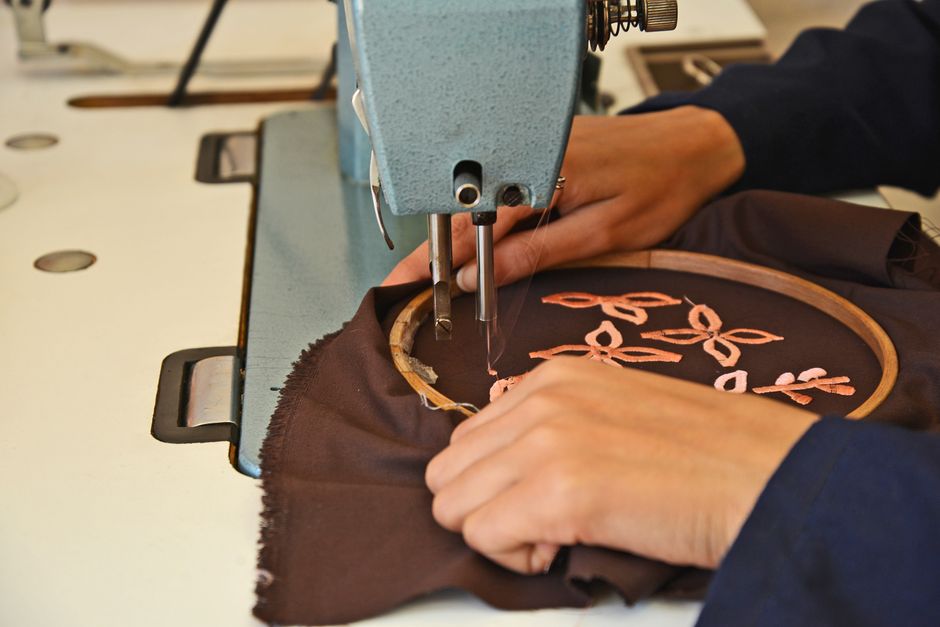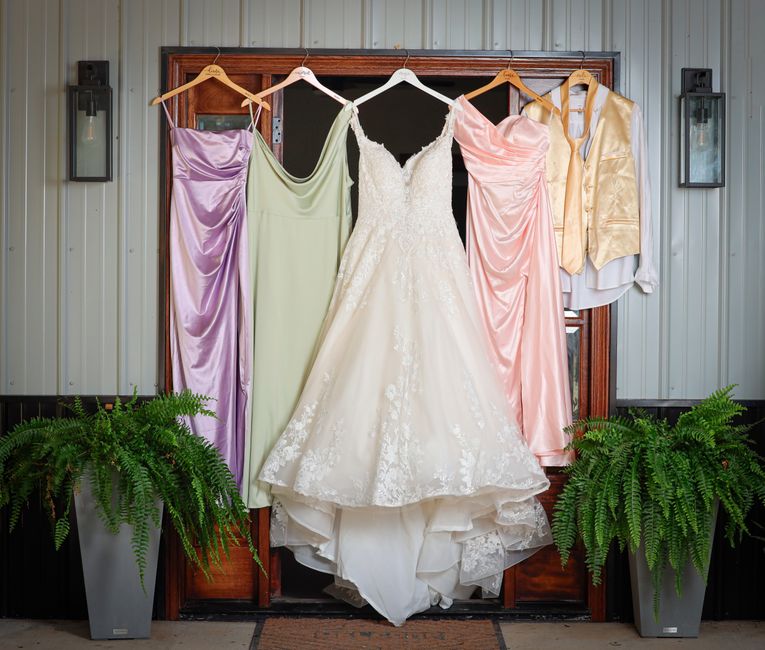
In recent years, the demand for personalized fashion has soared, leading to a significant shift in the clothing industry. Customers are no longer satisfied with off-the-rack garments; they seek unique pieces that reflect their individual style and preferences. This growing desire for customized apparel has paved the way for custom clothing manufacturers to thrive. In this article, we will explore the various facets of custom clothing manufacturing, its benefits, and the factors driving its popularity.
Understanding Custom Clothing Manufacturing
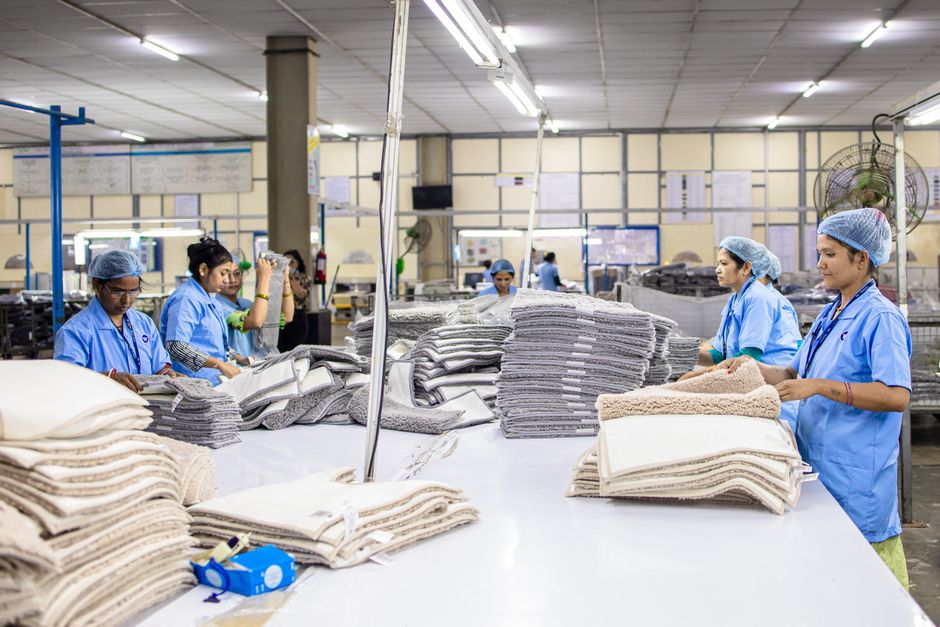
Custom clothing manufacturing refers to the process of creating garments tailored to the specific requirements of individual customers or businesses. This can range from bespoke suits to personalized t-shirts and everything in between. The customization process often begins with selecting fabrics, colors, and designs, allowing customers to have a significant say in how their clothing will look.
One of the primary advantages of custom clothing is the fit. Unlike standard sizes, which can often be ill-fitting for many, custom pieces are created with the wearer’s measurements in mind. This attention to detail ensures comfort and enhances the overall appearance of the garment.
Moreover, custom clothing manufacturing can cater to various needs, including promotional clothing for businesses, uniforms for organizations, or even special occasion outfits. This versatility makes it an appealing choice for a wide range of clients.
The Benefits of Custom Clothing
There are numerous benefits to choosing custom clothing over mass-produced items. Firstly, there is the element of exclusivity. Wearing a piece of clothing that is uniquely yours can greatly enhance your personal style and confidence.
Additionally, custom clothing often employs higher quality materials and craftsmanship compared to mass-produced garments. This results in more durable and long-lasting pieces that can withstand the test of time.
Another significant advantage is the ethical aspect of custom clothing manufacturing. Many custom clothing manufacturers prioritize sustainable practices, such as using eco-friendly materials and minimizing waste. By choosing custom clothing, consumers can support brands that align with their values regarding sustainability and ethical production.
Technology’s Role in Custom Clothing Manufacturing
Technology has played a pivotal role in the evolution of custom clothing manufacturing. The rise of online platforms has made it easier for customers to design and order custom garments from the comfort of their homes. Virtual fitting tools, for instance, allow users to input their measurements and visualize how a piece will look on them before making a purchase.
Moreover, advancements in production techniques, such as digital printing and automated cutting, have streamlined the manufacturing process. These technologies not only reduce lead times but also allow for greater precision and consistency in the final product.
As a result, custom clothing manufacturers can now offer a wider range of options at competitive prices, making custom apparel accessible to a larger audience.
Market Trends and Future Outlook
The custom clothing market is expected to continue its upward trajectory. A report by Grand View Research indicates that the global custom clothing market size was valued at USD 23.3 billion in 2022 and is projected to expand at a compound annual growth rate (CAGR) of 9.7% from 2023 to 2030.
Factors contributing to this growth include the increasing consumer preference for personalized products, the rise of e-commerce, and the growing awareness of sustainable fashion. Custom clothing manufacturers are adapting to these trends by offering innovative designs and enhanced shopping experiences.
For example, many brands now incorporate social media into their marketing strategies, allowing customers to showcase their custom pieces and inspire others. This user-generated content can significantly influence purchasing decisions, driving further growth in the market.
Conclusion
In conclusion, the custom clothing manufacturing industry is experiencing a renaissance fueled by consumer demand for personalized and ethically produced fashion. With advancements in technology and a growing awareness of sustainability, custom clothing is becoming more accessible and appealing to a broader audience. As this trend continues to evolve, custom clothing manufacturers will need to stay ahead of the curve, offering innovative solutions that meet the diverse needs of their clients. For those considering entering this market, partnering with a reputable custom clothing manufacturer can provide the necessary expertise and resources to succeed.