
In the ever-evolving landscape of business, the role of distributors has become increasingly vital. Distributors act as intermediaries between manufacturers and retailers or end-users, ensuring that products reach their intended markets efficiently. This article delves into the significance of distributors, their functions, and the challenges they face in today’s competitive environment.
The Importance of Distributors
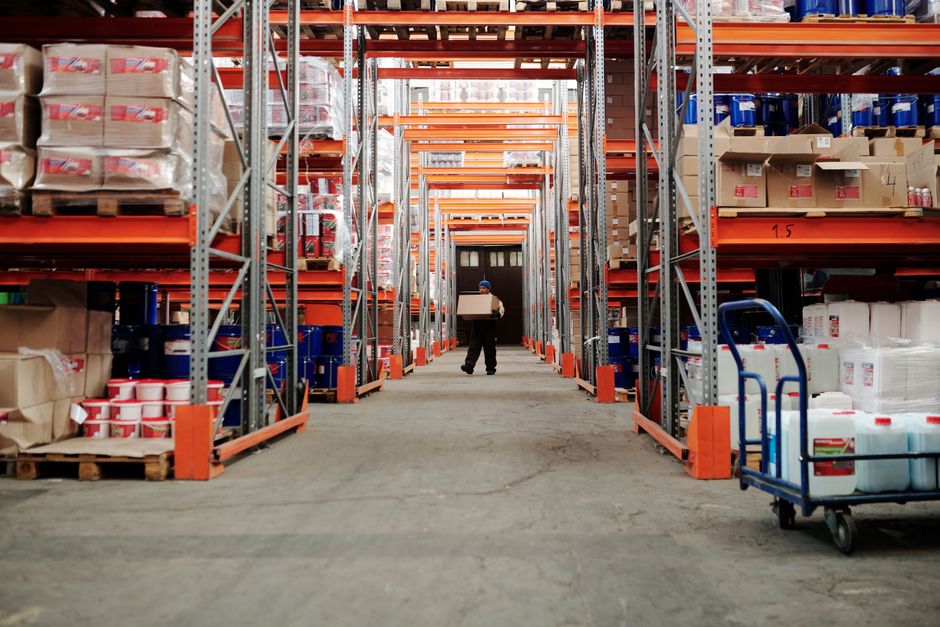
Distributors play a crucial role in the supply chain, serving as the link that connects manufacturers with consumers. They help in managing the logistics, storage, and transportation of goods, which can significantly reduce the burden on manufacturers. According to a report by the National Association of Wholesaler-Distributors, the distribution sector contributes over $5 trillion to the U.S. economy, highlighting its importance.
Moreover, distributors provide valuable market insights and feedback to manufacturers, allowing them to tailor their products according to consumer demands. This relationship not only enhances the product’s marketability but also fosters innovation within the manufacturing process.
For example, a distributor may notice that a certain product is not performing well in specific regions. By communicating this information to the manufacturer, adjustments can be made, whether through marketing strategies or product modifications.
Functions of a Distributor
Distributors perform various functions that are essential for smooth operations within the supply chain. Firstly, they handle inventory management, ensuring that products are available when retailers need them. This involves forecasting demand and maintaining optimal stock levels to prevent both shortages and overstock situations.
Secondly, distributors often take on the responsibility of marketing and promoting products. They employ various strategies to create awareness and drive sales, which may include organizing promotional events or providing retailers with marketing materials. This can be particularly beneficial for manufacturers that may not have the resources to conduct extensive marketing campaigns.
Additionally, distributors often provide value-added services such as training for retail staff on product features and benefits. This education can lead to improved sales performance and customer satisfaction, ultimately benefiting all parties involved in the supply chain.
Challenges Faced by Distributors
Despite their essential role, distributors face several challenges in the modern business environment. One significant issue is the rise of e-commerce, which has shifted consumer buying behavior. Many consumers now prefer to shop online, which has led to increased competition for traditional distributors.
Furthermore, the ongoing supply chain disruptions caused by global events, such as the COVID-19 pandemic, have placed additional pressure on distributors. Many have had to adapt quickly to changing circumstances, such as fluctuating demand and shipping delays.
As a response to these challenges, distributors are increasingly leveraging technology. For instance, the adoption of automated inventory management systems can help distributors better track stock levels and streamline their operations. Some distributors are also exploring partnerships with logistics companies to enhance their delivery capabilities.
The Future of Distribution
Looking ahead, the role of distributors is likely to evolve further. With advancements in technology, such as artificial intelligence and data analytics, distributors will be able to gain deeper insights into consumer behavior and market trends. This will allow them to make more informed decisions and optimize their operations.
Additionally, sustainability is becoming a key focus for many consumers. Distributors who prioritize environmentally friendly practices, such as reducing packaging waste or sourcing products from sustainable suppliers, will likely gain a competitive edge in the market.
For instance, a distributor that offers products like dmso gel, which is known for its therapeutic properties, can highlight the sustainable sourcing of ingredients to appeal to eco-conscious consumers.
Conclusion
In conclusion, distributors are an essential component of the modern business landscape. Their role in connecting manufacturers with consumers, managing logistics, and providing valuable market insights cannot be understated. While they face challenges such as e-commerce competition and supply chain disruptions, the future holds promising opportunities for those who embrace technology and sustainability. As the business world continues to evolve, so too will the strategies and functions of distributors, making them a critical player in the success of many industries.