
The toy industry has always been a dynamic sector, constantly adapting to the changing preferences of children and parents alike. In recent years, the role of children toy manufacturers has evolved significantly, driven by advancements in technology, shifts in consumer behavior, and a growing emphasis on sustainability. This article delves into the current trends and challenges faced by toy manufacturers, examining how they can navigate this ever-changing landscape.
Innovation in Toy Design
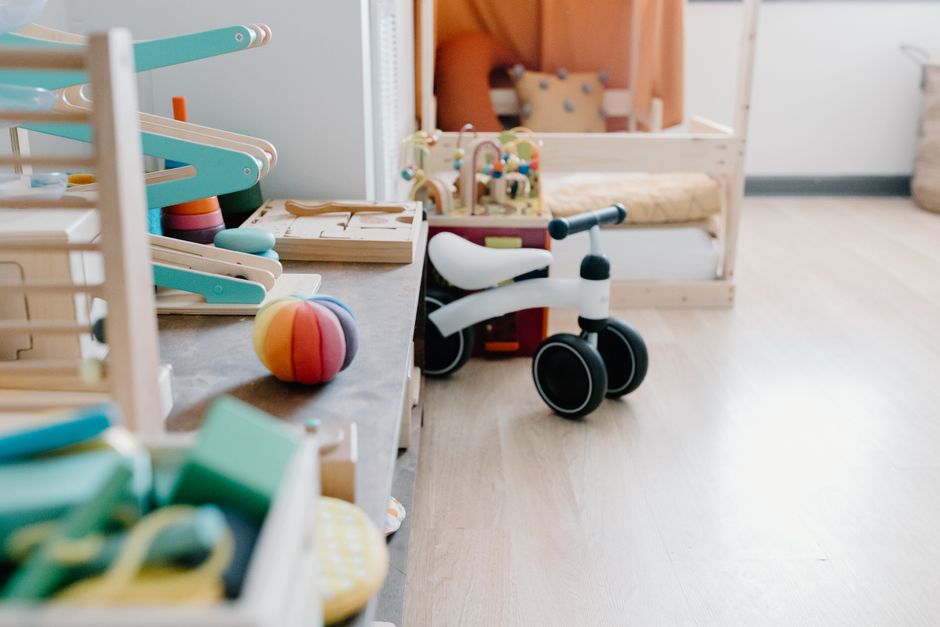
One of the most prominent trends in the children’s toy industry is the push for innovation in design. With the advent of new technologies, such as augmented reality (AR) and 3D printing, manufacturers are able to create toys that not only entertain but also educate. For instance, companies are now developing interactive toys that incorporate digital elements, enhancing the play experience. Such innovations not only capture children’s interests but also encourage learning through play.
Moreover, there is a growing demand for toys that promote STEM (Science, Technology, Engineering, and Mathematics) education. According to a report by the Toy Industry Association, STEM toys have seen a significant increase in sales over the past few years, reflecting parents’ desires to provide their children with educational yet fun products. As a result, children toy manufacturers are increasingly focusing on creating toys that blend entertainment with educational value.
Emphasis on Safety and Regulations
Safety is paramount in the toy industry, and manufacturers must adhere to strict regulations to ensure their products are safe for children. The Consumer Product Safety Commission (CPSC) in the United States, for example, has established guidelines that toy manufacturers must follow. This includes testing for hazardous materials, ensuring proper labeling, and conducting regular safety audits.
In recent years, there has been an increase in recalls of toys due to safety concerns, which has heightened the scrutiny on manufacturers. To address these challenges, companies are investing more in quality control processes and are often required to provide transparency regarding their manufacturing practices. This not only helps in compliance with regulations but also builds trust with consumers.
Sustainability in Toy Manufacturing
As environmental concerns continue to grow, sustainability has become a key focus for children toy manufacturers. Many companies are now seeking to reduce their carbon footprint by using eco-friendly materials and sustainable manufacturing processes. For instance, some manufacturers have started to use recycled plastics and biodegradable materials in their toys, appealing to environmentally conscious consumers.
Additionally, brands are also emphasizing the importance of longevity in their products. Toys that are designed to last longer not only reduce waste but also encourage children to engage in imaginative play rather than relying on disposable items. By creating toys that can withstand the test of time, manufacturers are not only being environmentally responsible but also providing better value for consumers.
The Role of E-commerce in Toy Sales
The rise of e-commerce has transformed the way toys are marketed and sold. With more consumers opting to shop online, children toy manufacturers must adapt their strategies to reach their audience effectively. Online platforms provide an opportunity for brands to showcase their products in innovative ways, utilizing videos, interactive demos, and customer reviews to engage potential buyers.
Moreover, the shift to online shopping has also changed the marketing landscape. Social media influencers and targeted online advertising have become essential tools for reaching parents and children alike. Companies that successfully leverage these platforms are more likely to see increased sales and brand loyalty. The ability to gather data from online sales also allows manufacturers to better understand consumer preferences and tailor their offerings accordingly.
Conclusion
The role of children toy manufacturers is evolving in response to technological advancements, safety regulations, sustainability demands, and changing consumer behaviors. By embracing innovation, focusing on safety, prioritizing sustainability, and adapting to the e-commerce landscape, manufacturers can position themselves for success in this competitive market. As the industry continues to evolve, those who stay ahead of trends and maintain a commitment to quality and safety will undoubtedly thrive. If you want to learn more about the practices of a leading children toy manufacturer, exploring their innovative approaches can provide valuable insights.