
In today’s world, the significance of interior design has transcended mere aesthetics. It’s about creating spaces that resonate with personality, functionality, and well-being. An interior design firm plays a critical role in this transformation, offering tailored solutions that enhance both residential and commercial environments. This article delves into the multifaceted world of interior design firms, exploring their importance, services, and the latest trends shaping the industry.
The Importance of Hiring an Interior Design Firm
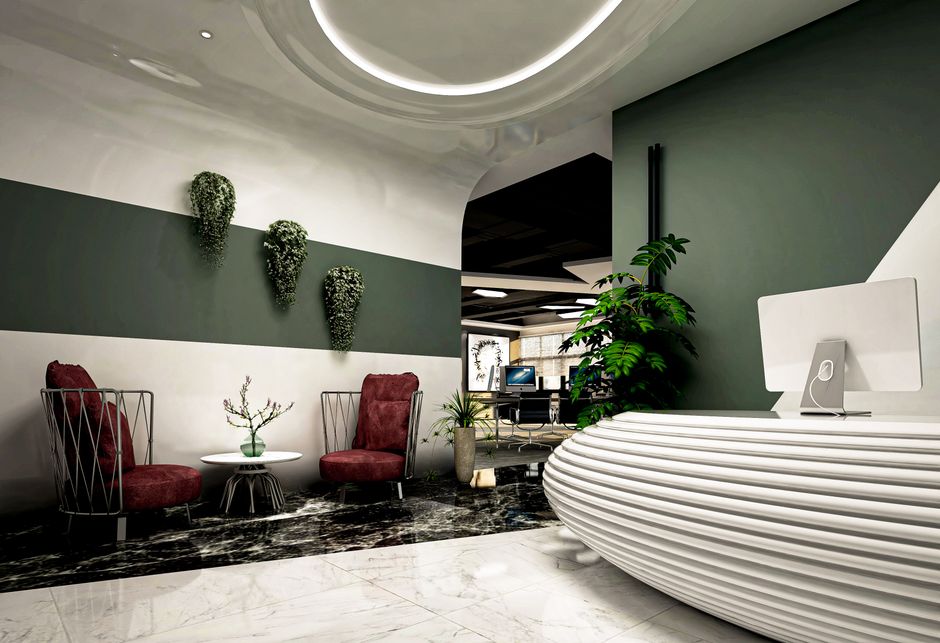
When it comes to redesigning a space, many homeowners and business operators might wonder if hiring an interior design firm is necessary. The answer is a resounding yes. An expert interior designer brings a wealth of knowledge, creativity, and experience that can help avoid costly mistakes. According to a survey by the American Society of Interior Designers, 85% of clients believe that hiring a professional designer significantly enhances the quality of their space.
Furthermore, working with an interior design firm can save time and reduce stress. Designers have access to resources and networks that the average person doesn’t, enabling them to source materials, furnishings, and decor efficiently. They also possess the skills to create cohesive designs that reflect the client’s vision while adhering to budgetary constraints.
Moreover, an interior design firm understands the nuances of space, light, and color, allowing them to optimize every element for functionality and aesthetic appeal. This expertise is vital in achieving a balanced and inviting atmosphere in any environment.
Services Offered by Interior Design Firms
Interior design firms offer a wide range of services tailored to meet various client needs. These services often include space planning, color consultation, furniture selection, and custom design solutions. Space planning is one of the primary services, as it involves creating a layout that maximizes the use of space while ensuring it meets the client’s needs.
Color consultation is another essential service, as colors can significantly affect mood and perception. Designers help clients choose palettes that align with their personal tastes and the intended use of the space. Furthermore, furniture selection is crucial; a designer can recommend pieces that fit both the style and functionality required.
Additionally, many firms offer bespoke design services, including custom cabinetry, lighting design, and even landscaping. By providing a comprehensive suite of services, interior design firms ensure that every aspect of the client’s vision is executed flawlessly.
Current Trends in Interior Design
The interior design industry is constantly evolving, influenced by cultural shifts, technological advancements, and environmental concerns. Currently, sustainable design is at the forefront, with many firms prioritizing eco-friendly materials and practices. This trend not only caters to a growing consumer demand for sustainability but also promotes healthier living environments.
Another significant trend is the use of smart technology in homes and offices. Designers are integrating smart home systems that allow for greater control over lighting, climate, and security. This integration creates not only convenience but also enhances the overall efficiency of a space.
Moreover, biophilic design, which seeks to connect interior spaces to the natural environment, is gaining popularity. This approach incorporates natural elements like plants, water features, and natural light, creating calming and rejuvenating spaces.
The Future of Interior Design Firms
As we look to the future, the role of interior design firms is likely to expand further. With the rise of remote work, there is an increased focus on creating functional home offices that promote productivity. Additionally, as urban living continues to grow, interior designers will need to tackle the challenges of small space design innovatively.
Furthermore, the demand for personalized design experiences is on the rise. Clients are seeking unique designs that reflect their individual stories and lifestyles. This trend will push interior design firms to adopt more collaborative approaches, involving clients in the creative process.
Technological advancements will also play a crucial role in shaping the future of interior design. Virtual reality and augmented reality tools are becoming more prevalent, allowing clients to visualize designs before implementation. This technology enhances the client experience and fosters better decision-making.
Conclusion
In summary, an interior design firm is not just a luxury; it is a valuable partner in the journey of creating personalized and functional spaces. From enhancing aesthetic appeal to optimizing functionality, the expertise of design professionals can make a world of difference. As trends continue to evolve, firms must stay ahead of the curve, embracing sustainability, technology, and personalization to meet the changing needs of their clients. Investing in an interior design firm can lead to spaces that are not only beautiful but also tailored to enhance the quality of life.